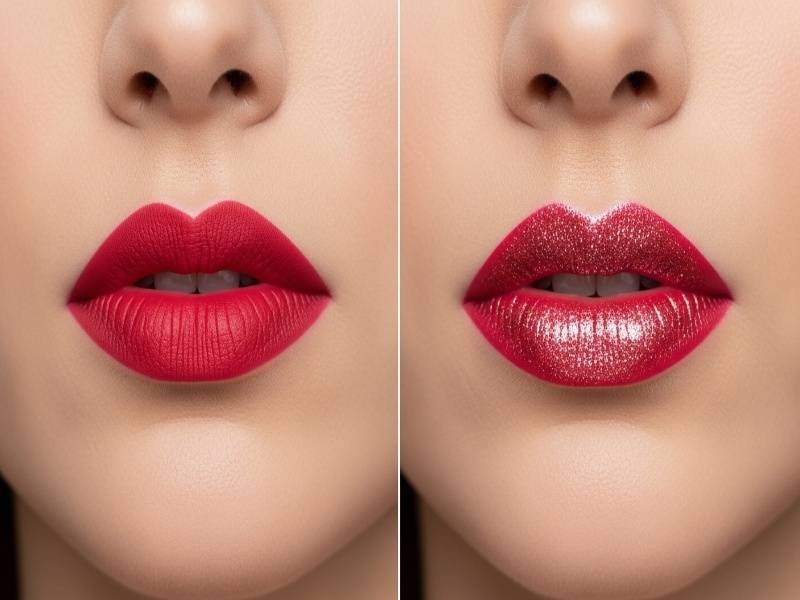

Main jab choti thi, mujhe yaad hai school ke ek function ke liye maine bazaar se ek sasti si, bina kisi brand ki dark red lipstick li thi. Us waqt mujhe lagta tha ke rang bold hai to lipstick achi hai. Safe Lipstick Pigments. Lekin sirf do din ke istemal ke baad, mere hont dry hone lage aur unka natural rang dark (pigmented) hone laga. Wo “bachpan ka tajurba” mere liye ek sabaq tha ke lipstick sirf rang nahi, balkay wo chemicals hain jo aapki skin absorb karti hai.
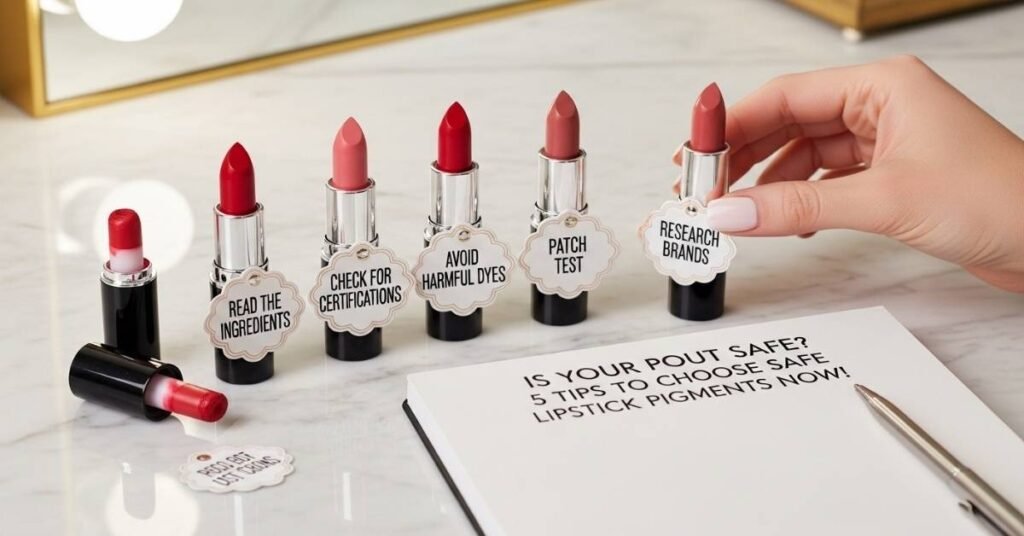
In 2026, USA women are more conscious than ever about what they put on their faces. It’s not just about the “look” anymore; it’s about the health of your pout. Choosing Safe lipstick pigments is a skill every beauty lover must master. To understand the building blocks of what’s in your tube, you should start with our guide on Lipstick Ingredients Explained.
At WomenClassy, we believe beauty should never come at the cost of safety.
This beginner-friendly guide is part of our Lipstick Basics series, where we break down everything from what lipstick actually is to how it works, so you can build your knowledge step by step with confidence.
Tip 1: Identify the “Heavy Metal” Red Flags
The biggest concern with lipstick pigments in the USA today is the presence of lead and other heavy metals. Even if a brand says it’s “Long-lasting,” you need to verify its safety standards.
Many women are now moving toward a Non-toxic lipstick guide for USA women to ensure they aren’t ingesting harmful toxins daily. Always check for Lead-free lipstick brands 2026 certifications. If a pigment looks “too bright” for its price, it might be using cheap, industrial-grade dyes that are not FDA approved lip color ingredients.
Tip 2: Natural vs. Synthetic – Know the Difference
One of the top Lipstick Pigments Secrets is that “Natural” doesn’t always mean “Safe,” and “Synthetic” doesn’t always mean “Toxic.”
- Natural Pigments: These are often mineral-based. While they are great, some can be contaminated if not purified properly.
- Synthetic Pigments: Lab-created colors are often more purified and offer more vibrant shades.
The 2026 trend is finding a balance. You can read more about this in our detailed analysis of Natural vs. Synthetic Lipstick: Which is Better for You?. This will help you decide if you prefer Vegan vs synthetic lip pigments safety or traditional mineral colors.

Tip 3: Look for “Clean” Certifications
In the USA, the “Clean Beauty” movement has forced brands to be transparent. When choosing Safe lipstick pigments, look for:
- Paraben-Free labels.
- Cruelty-Free (Leaping Bunny) logos.
- Phthalate-Free formulas.
If you are confused between a high-end organic brand and a drugstore chemical one, check out our comparison on Organic vs. Chemical Lipsticks: The Ultimate 2026 Breakdown.
Tip 4: Avoid “Lip Darkening” Dyes
As I mentioned from my own experience, cheap pigments can cause long-term discoloration. This usually happens due to low-quality “D&C” (Drugs & Cosmetics) dyes that react with the sun.
To keep your lips healthy and bright, you should explore Lipstick Pigments Secrets: The 2026 Guide to Bold, Perfect Color. This guide explains how high-quality pigments stay on the surface of the lip rather than penetrating and staining the delicate skin tissue.
Tip 5: Check the “Expiration” for Stability
Even the safest pigment can become toxic if the oils and waxes around it go rancid. Safe pigments need stable environments. If your lipstick smells like old crayons or the color has separated, throw it away! A degraded formula can cause infections or severe dryness.
Final Thoughts: Safety is the New Sexy
Your lips are one of the most absorbent parts of your body. Choosing Safe lipstick pigments isn’t just a beauty choice; it’s a health decision. By following a Non-toxic lipstick guide for USA women, you can enjoy your bold reds and soft nudes without worrying about what’s happening beneath the surface.
At WomenClassy, we want you to have a pout that is both beautiful and healthy. Stay safe, stay informed, and always stay classy!
❓ Frequently Asked Questions (PAA)
How can I tell if my lipstick has lead? While you can’t see lead, you can trust brands that are transparent about their third-party testing. In 2026, most reputable USA brands provide “Heavy Metal Test Reports” on their websites.
Are mineral pigments safer than liquid dyes? Generally, yes. Mineral pigments like iron oxides sit on the skin, whereas some liquid dyes can be absorbed. However, mineral pigments must be “triple-milled” to be considered high-quality and safe.
Can lipstick pigments cause allergic reactions? Yes, especially red pigments (like Carmine). If you notice itching or swelling, switch to a Vegan vs synthetic lip pigments safety tested formula that is specifically designed for sensitive skin.
Is it safe to wear high-pigment lipstick every day? Yes, as long as the formula includes protective waxes and oils. Look for ingredients like Vitamin E or Jojoba oil which act as a barrier between the pigment and your skin.
Why did my lips turn dark after using a certain lipstick? This is often a reaction to “photo-sensitive” dyes in cheap lipsticks. Always choose Safe lipstick pigments that are stabilized and have UV-protective properties.