Have you ever noticed how a simple swipe of lipstick can completely change your mood? I still remember the first time I tried a bold red—it made me feel unstoppable! Lipstick is far more than just a makeup product; it’s a way to showcase your personality, confidence, and style. Believe it or not, this tiny tube of color has been part of human beauty for thousands of years, and understanding the history of lipstick makes it even more fascinating.
From the crushed gemstones used by ancient civilizations to today’s endless lipstick shades and formulas, the history of lipstick is packed with culture, fashion, and surprising transformations. In this article, I’ll take you through that journey, share fun anecdotes, and help you find the perfect lipstick that suits you best.
This beginner-friendly guide is part of our Lipstick Basics series, where we break down everything from what lipstick actually is to how it works, so you can build your knowledge step by step with confidence.
1. Ancient Beginning history of Lipstick
It’s honestly surprising how long lipstick has been around. Early civilizations used whatever pigments they could find to add color to their lips.
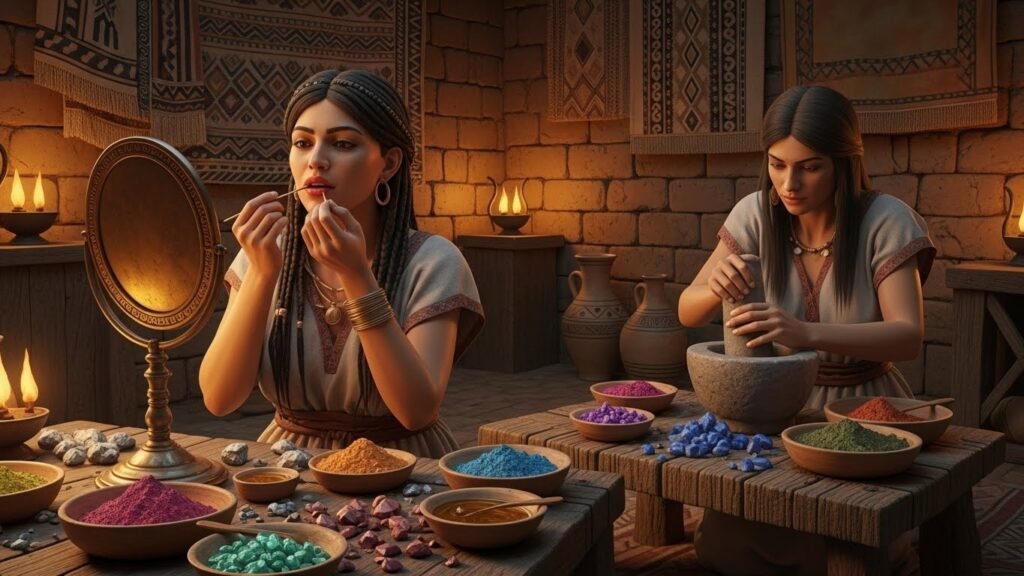
Mesopotamia
Around 5,000 years ago, women used ground gemstones—yes, actual gemstones—mixed with oils to create lip color. It wasn’t just about beauty; it signaled status and style.
Egypt
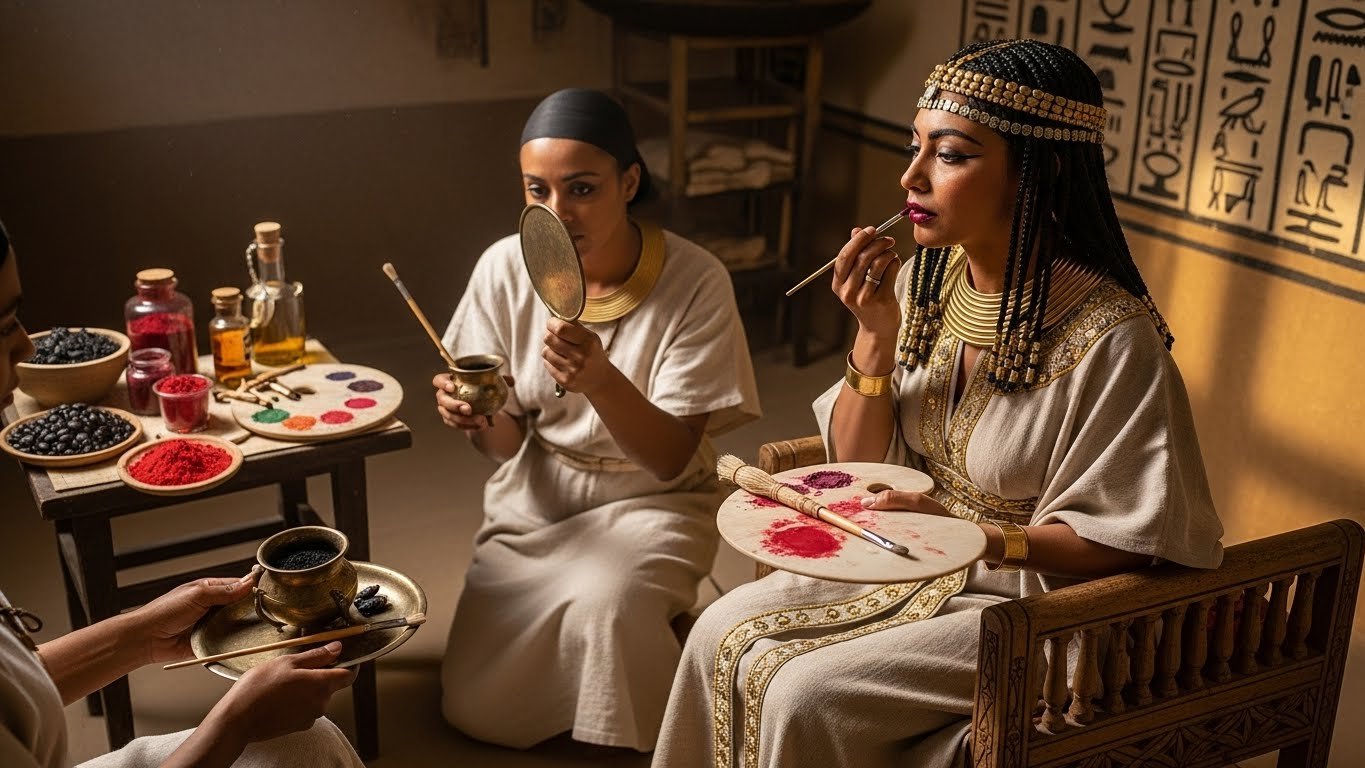
Cleopatra took lipstick to a whole new level. Her signature red shades were made from crushed beetles and ants blended with beeswax. She believed bold lips represented power and charm.
Greece & Rome
Women in Greece and Rome used plant-based dyes, minerals, and even seaweed extracts. Lipstick shades often showed wealth, class, and confidence.
Fun fact: Cleopatra was rumored to have her own secret lipstick recipe that she used to impress royal guests. Even back then, lipstick was a confidence tool.
2. Lipstick During the Middle Ages
Lipstick didn’t have an easy time in Europe during the Middle Ages. The Church believed makeup encouraged vanity and even associated it with deception.
- Many homemade lip colors were unsafe and included toxic ingredients.
- Only performers, courtesans, or rebellious aristocrats dared to wear lip color openly.
Even with all the restrictions, women found sneaky ways to tint their lips—proving just how strong the love for lipstick really was.
3. Renaissance Revival
When the Renaissance arrived, art, fashion, and beauty came back to life—and so did lipstick.
Elizabethan England
Queen Elizabeth I’s pale face and bright red lips became a symbol of sophistication. Women followed her lead and used beeswax mixed with natural dyes to recreate the look.
Lipstick also became more of a fashion accessory. Women often carried small pots or decorative containers with their lip colors inside—practical and stylish.
4. 19th Century: The Birth of Commercial Lipstick
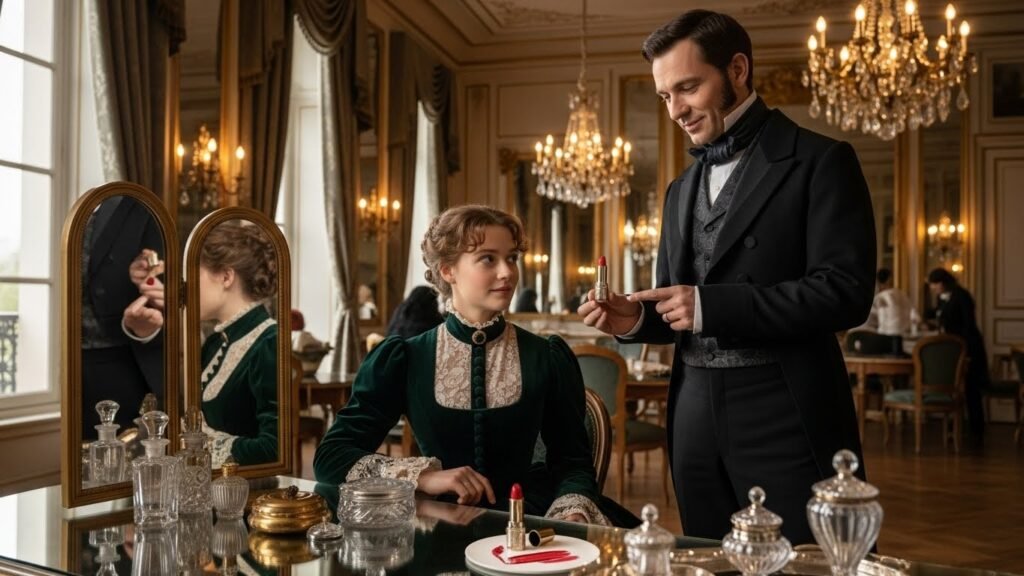
This is when lipstick stopped being a home experiment and started becoming a real product.
- Around 1870, Paris introduced the first lipstick tubes made of metal.
- The formulas included beeswax, castor oil, and carmine dye.
- Society still judged women for wearing lipstick publicly, but that didn’t stop the trend.
Slowly but surely, lipstick went from taboo to fashionable.
5. 20th Century: Lipstick Becomes a Global Icon
This era is when lipstick turned into the beauty essential we know today.
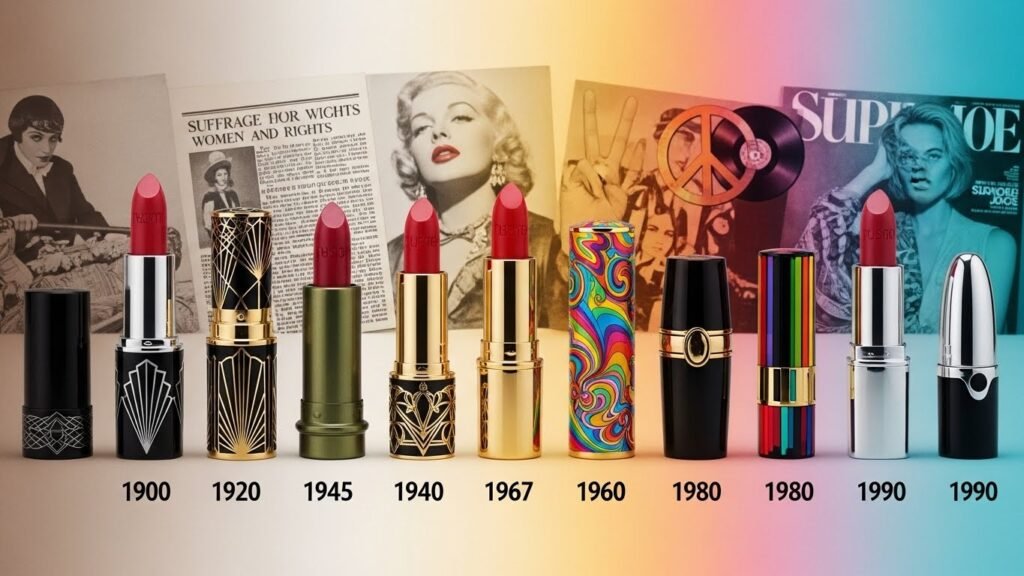
The 1920s
Flapper girls practically made red lipstick the symbol of rebellion and freedom. It was bold, loud, and unapologetically feminine.
Hollywood’s Influence
Movie stars like Marilyn Monroe changed the lipstick game. Her perfect red lips became legendary — beauty brands still try to recreate her shade.
Better, safer formulas
Brands started focusing on smoother textures and long-lasting, non-toxic formulas.
Fun fact: Marilyn Monroe’s iconic lip wasn’t just one shade — makeup artists mixed several reds to create her signature color.
6. 21st Century Lipstick Trends — Where We Are Now
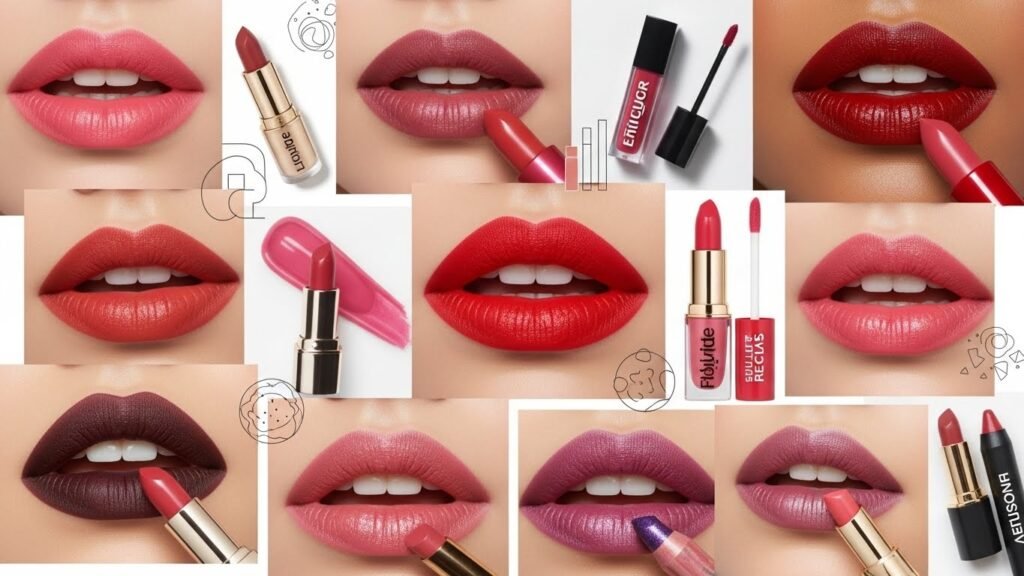
Lipstick today? It’s a whole universe.
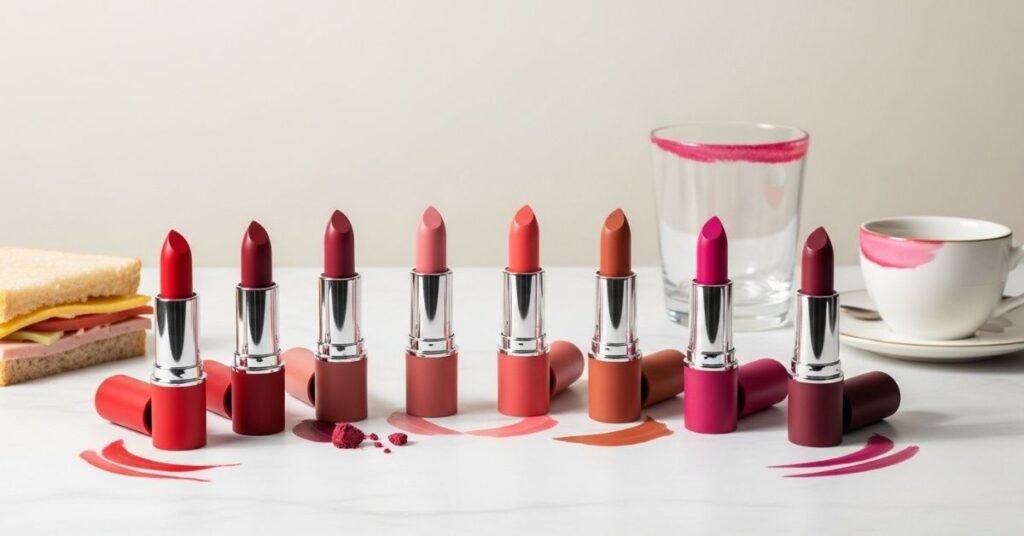
- Every shade imaginable: reds, nudes, berries, purples, blacks.
- Every texture: matte, satin, glossy, creamy, liquid, velvet, hydrating.
- Inclusive shade ranges for every skin tone.
- Vegan and cruelty-free brands everywhere.
Lipstick is now about self-expression. Whether you like bold colors or soft neutrals, there’s something for every mood.
7. How to Choose the Perfect Lipstick (Casual, Easy Guide)
Here’s how I pick my lipstick — super simple:
- Check your undertone: Cool, warm, or neutral? It helps the shade pop.
- Match the moment: Red for parties, nudes for everyday, dark shades for drama.
- Test it in natural light: Trust me, indoor light can lie.
- Read the ingredients: If your lips are dry, go for hydrating formulas.
- Pick what feels “you”: Lipstick should match your vibe, not the trend.
8. Fun Lipstick Stories That Make History Cooler
- In World War II, red lipstick was used to boost morale.
- A Russian socialite in the early 1900s launched one of the first luxury lipstick lines.
- Celebrities and influencers have shaped lipstick trends for decades.
Lipstick isn’t just beauty — it’s culture, fashion, and sometimes even rebellion.
9. Why Investing in Good Lipstick Is Totally Worth It
Trust me, good lipstick is a game changer:
- It instantly boosts your confidence.
- It lasts longer and feels better on the lips.
- It adds personality to your whole look.
One perfect shade can literally transform your vibe.
10. Final Thoughts
From crushed stones in ancient Mesopotamia to the endless lipstick shades we love today, lipstick has had an unforgettable journey. And honestly? It’s still evolving.
Whether you’re into dramatic reds, soft nudes, or something fun and unexpected, the right lipstick can completely elevate your look and your mood. Lipstick is more than a cosmetic — it’s self-expression, personality, and a tiny tube of confidence.
FAQs: History of Lipstick
1. When was lipstick first invented?
Lipstick dates back over 5,000 years to ancient Mesopotamia, where crushed gemstones were used to color lips.
2. Who used lipstick in ancient times?
Ancient Egyptians, including Queen Cleopatra, used lipstick made from carmine insects, red ochre, and wax to symbolize power and beauty.
3. Why was lipstick controversial in history?
In medieval Europe, lipstick was often linked to immorality or witchcraft, and its use was discouraged or even banned at times.
4. When did lipstick become popular again?
Lipstick regained popularity in the early 20th century, especially after the invention of the modern lipstick tube in 1915.
5. How has lipstick evolved in modern times?
Today, lipstick comes in matte, glossy, liquid, and vegan formulas, reflecting changes in fashion, technology, and self-expression.