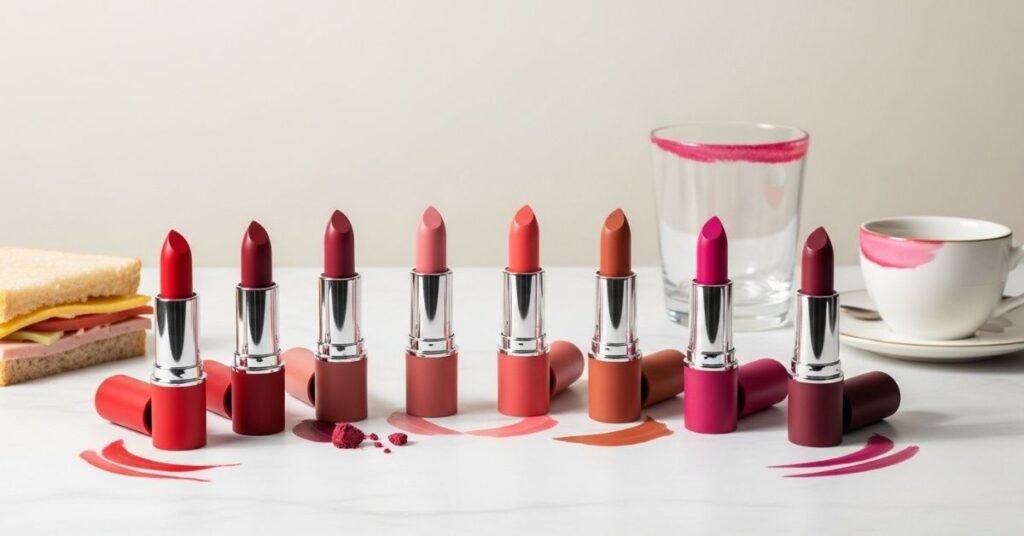

Choosing makeup shades, hair colors, or even clothes becomes effortless when you understand your lipstick undertones along with whether you have Warm vs Cool vs Neutral Undertone. Yet for many people, figuring it out feels confusing—almost like choosing between three colors that look the same at first glance.
If you’ve ever bought a foundation that looked perfect in the store but turned orange at home, or tried a lipstick that drained the color from your face, your lipstick undertones were likely the reason. By observing details like veins neutral undertone and matching hair color to your undertone, you can make much smarter choices.
This in-depth guide will walk you through everything you need to know—step-by-step, with examples, anecdotes, and simple language. By the end, you’ll be able to confidently choose shades that look naturally flattering every single time.
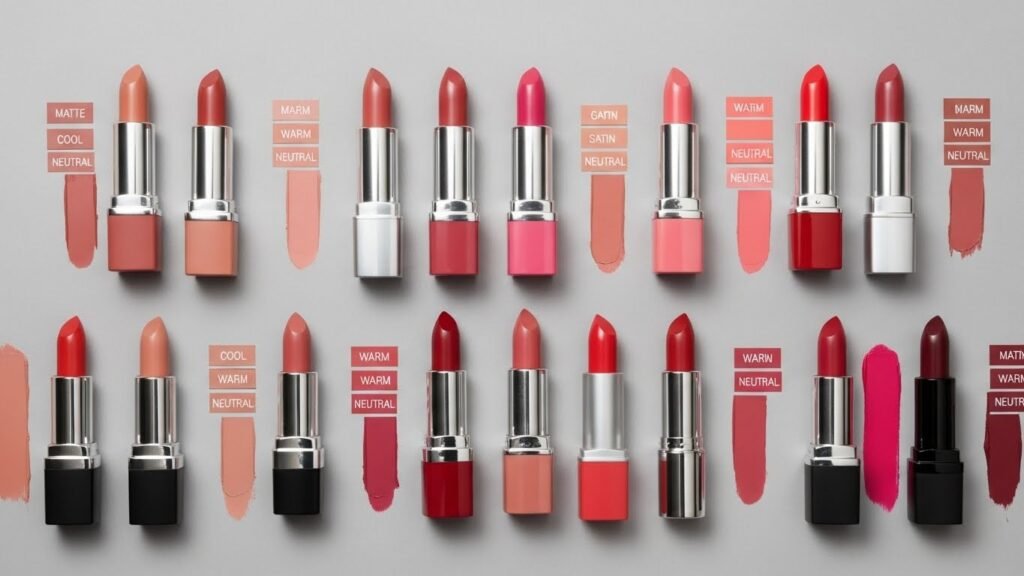
What Is an Undertone?
Your undertone is the subtle hue beneath your skin’s surface. It stays the same year-round—even if you tan, get lighter in winter, or flush after a workout.
To help you dive deeper, here’s a helpful resource:
👉 What Are Skin Undertones?
There are three main types:
- Warm undertone
- Cool undertone
- Neutral undertone
Although two people might have the same surface skin color, their undertones can be completely different—this is why the same lipstick can look stunning on your friend but off on you.
Why Undertones Matter
Understanding your undertone allows you to choose:
- Foundation shades that blend flawlessly into your skin
- Lipstick colors that brighten your features
- Hair colors that enhance your complexion instead of making it appear dull
- Clothing colors that make your entire face look more vibrant
- Jewelry that naturally complements your skin
Once you get it, life becomes so much easier. You’ll shop faster, make fewer returns, and feel more confident.
The Three Undertones Explained in Simple Words
1. Warm Undertone
A warm undertone usually leans toward golden, peachy, or yellow hues.
Skin can look sun-kissed even without tanning.
Common Indicators
- Veins look greenish
- Gold jewelry looks most flattering
- Your face looks brighter in earth tones
- You tan easily
2. Cool Undertone
A cool undertone has pink, red, or bluish notes beneath the skin.
Common Indicators
- Veins appear blue or purple
- Silver jewelry suits you better than gold
- Blue, violet, and jewel tones make your skin pop
- You may burn before tanning
3. Neutral Undertone
A neutral undertone falls between warm and cool.
Your skin may show a balance of pink and yellow.
Common Indicators
- Both silver and gold jewelry look great
- Most colors suit you well
- Hard to tell whether veins look green or blue
A Little Anecdote to Make It Real
A friend of mine—let’s call her Mia—spent years wondering why every foundation made her look dull. She assumed she had a warm undertone because she tanned easily. One day, while trying on a rose-toned lipstick, something clicked—her face suddenly glowed.
She finally discovered she had a cool undertone, not warm.
Just like Mia, once you know the truth, everything—from makeup counters to wardrobes—starts to make sense.
How to Find Your Undertone (Step-by-Step Guide)
You don’t need a professional—just natural daylight and a few simple tests.
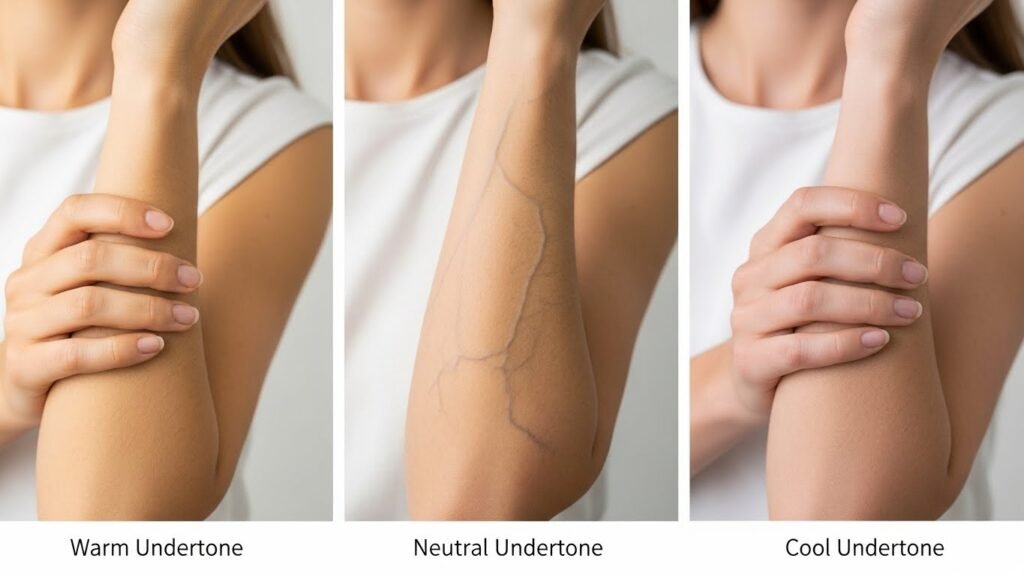
Step 1: The Vein Test
Look at the veins on your wrist in natural light.
- Green veins → Warm undertone
- Blue/purple veins → Cool undertone
- Hard to tell / mix of both → Neutral undertone
Step 2: The Jewelry Test
Hold gold and silver jewelry against your skin.
- Gold looks best → Warm
- Silver looks best → Cool
- Both flatter you → Neutral
Step 3: The White vs Off-White Test
Wear a pure white shirt and then an off-white one.
- Off-white looks better → Warm
- Pure white suits you → Cool
- Both look fine → Neutral
Step 4: The Sun Reaction Test
Notice how your skin reacts to sunlight.
- Tan easily → Typically Warm
- Burn easily → Typically Cool
- Combination → Neutral
Step 5: The Color Test
Hold different colors near your face:
- Earthy colors (brown, mustard, olive) flatter → Warm
- Jewel tones (emerald, sapphire, ruby) flatter → Cool
- Most colors → Neutral
Step 6: The Natural Lip Color Test
Look at your bare lips in natural light.
- Peach/golden tones → Warm
- Pink/red/blue tones → Cool
- Combination → Neutral
Warm vs Cool vs Neutral Undertone in Everyday Choices
1. Makeup Selection
Foundation
Brands use symbols like:
- W for warm
- C for cool
- N for neutral
If you’re warm, choose a foundation with golden or yellow bases.
If you’re cool, look for pink or rosy bases.
If you’re neutral, pick balanced tones.
Lipstick
- Warm undertone → corals, warm reds, peachy nudes
- Cool undertone → berry shades, blue-based reds, pinky nudes
- Neutral undertone → almost anything
Blush
- Warm → peach, apricot
- Cool → rose, mauve
- Neutral → soft pinks
2. Clothing Colors
Warm Undertone
Earthy tones harmonize perfectly:
- Mustard
- Olive
- Terracotta
- Warm beige
Cool Undertone
Vibrant cool colors shine:
- Cobalt
- Emerald
- Fuchsia
- Ice blue
Neutral Undertone
You can play with:
- Soft pastels
- Muted tones
- Balanced hues
3. Jewelry Choices
- Warm skin → gold, bronze, copper
- Cool skin → silver, platinum
- Neutral → mixed metals look chic
4. Hair Color
Warm Undertone
Golden highlights, honey blonde, caramel brown.
Cool Undertone
Ash blonde, cool brown, burgundy, jet black.
Neutral Undertone
Most shades blend naturally.
Why Knowing Your Undertone Helps You Shop With Confidence
One of the biggest benefits of understanding warm vs cool vs neutral undertones is that it reduces guesswork. You won’t rely solely on store lighting or influencer recommendations. Instead, you shop with clarity.
You’ll:
- Save money
- Choose products that enhance your natural beauty
- Avoid shades that wash you out
- Build a capsule wardrobe that always flatters
- Pick foundations more accurately
- Finally enjoy trying new lipsticks
When you know what works for your skin, shopping becomes empowering—not overwhelming.
Product Recommendations Based on Your Undertone
(No specific brand is required, but examples are included purely for guidance.)
If You Have a Warm Undertone
Try:
- Golden-based foundations
- Warm-toned eyeshadow palettes (bronze, copper, gold)
- Coral or peach blushes
- Gold-tone highlighters
If You Have a Cool Undertone
Look for:
- Pink-based foundations
- Jewel-toned eyeshadows
- Blue-red lipsticks
- Soft rose blushes
If You Have a Neutral Undertone
Consider:
- Balanced foundations labeled N
- Soft natural palettes
- Universal nude lipsticks
Because you fit in between warm and cool, you get the luxury of flexibility.
How to Buy Undertone-Correct Products With Confidence
Here’s a simple approach to picking the right products.
1. Always test in natural light
Indoor lights change colors drastically. Step near a window or doorway.
2. Let the product sit for 3–5 minutes
Many foundations oxidize slightly.
3. Try swatching on your jawline
It blends your face and neck seamlessly.
4. Compare two close shades
Your perfect match usually lies between them.
5. Don’t hesitate to return or exchange
Stores like Sephora, Ulta, and many online brands offer flexible return policies.
A Final Anecdote To Tie It Together
A client once told me she avoided wearing color altogether because she “didn’t know what suited her.”
She stuck to black, white, and gray for years.
One afternoon, I draped a cool emerald scarf around her shoulders. Her eyes brightened instantly. She gasped—“I didn’t know I could look like this.”
That moment transformed her style forever. Understanding her cool undertone gave her the confidence to explore her beauty with excitement rather than fear.
You deserve that same confidence.
Conclusion
Your warm, cool, or neutral undertone isn’t just a beauty detail—it’s a powerful guide that helps you choose shades that truly enhance your features.
With this knowledge, you can shop wisely, experiment freely, and enjoy colors that feel naturally you. Whether you’re buying foundation, lipstick, hair dye, or clothing, your undertone is your secret advantage.
Once you understand it, you’ll never look at color the same way again—and you’ll shop with certainty, clarity, and confidence.
❓ FAQs: Warm vs Cool vs Neutral Undertone
1. What is the difference between warm, cool, and neutral undertones?
Warm undertones have yellow or golden hues, cool undertones have pink or blue hues, and neutral undertones are a balance of both.
2. How can I identify my undertone at home?
Check your wrist veins, see whether gold or silver jewelry suits you better, and notice how your skin reacts to sun exposure.
3. Can my undertone change over time?
No, your undertone remains the same, even if your skin tone changes due to tanning or aging.
4. Which makeup shades suit warm undertones best?
Warm undertones look best with peach, coral, warm reds, and golden-toned makeup shades.
5. Are neutral undertones easier to match with makeup?
Yes, neutral undertones can usually wear both warm and cool shades, making makeup selection easier and more flexible.