Lipstick is more than just a cosmetic—it’s an art of balancing color, texture, and care. Among the many ingredients that go into creating the perfect lipstick, castor oil in lipstick stands out as one of the most essential components. From ensuring a smooth application to enhancing longevity, this natural oil plays multiple roles that are often overlooked. In this article, we’ll dive deep into the role of castor oil in lipstick, its numerous benefits, and why cosmetic chemists consider it a key ingredient in formulations.
Whether you’re a makeup enthusiast or a professional cosmetic formulator, understanding castor oil in lipstick is crucial. Its unique properties make it one of the most versatile natural oils used in modern lipstick formulations, offering a perfect blend of care and color.
The Unique Role of Castor Oil in Lipstick
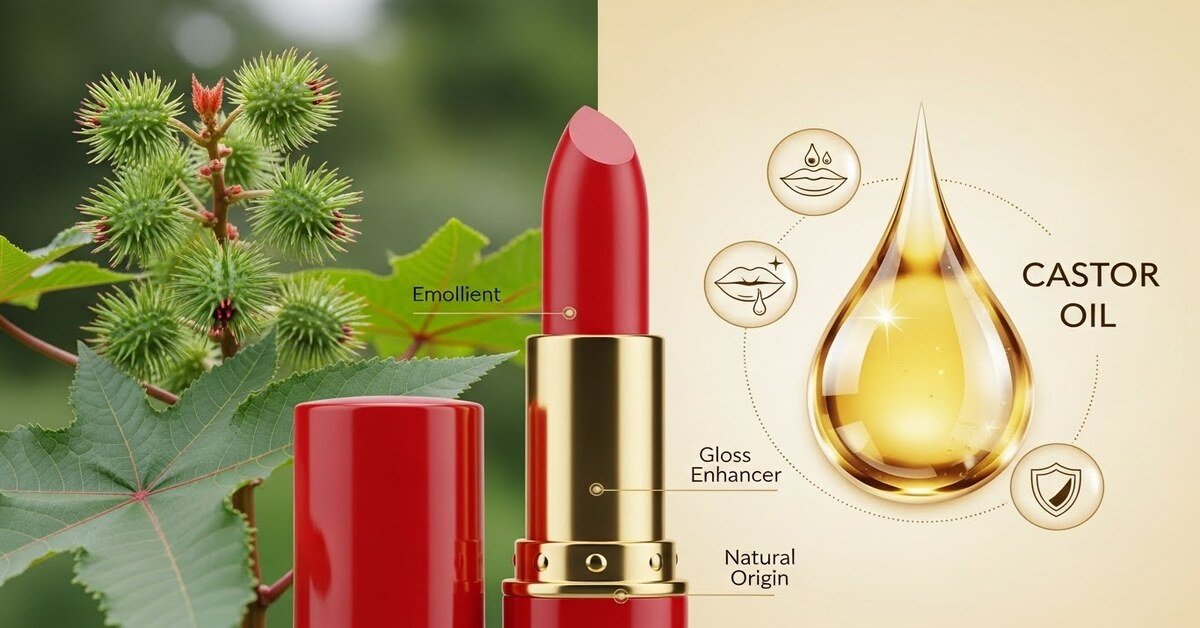
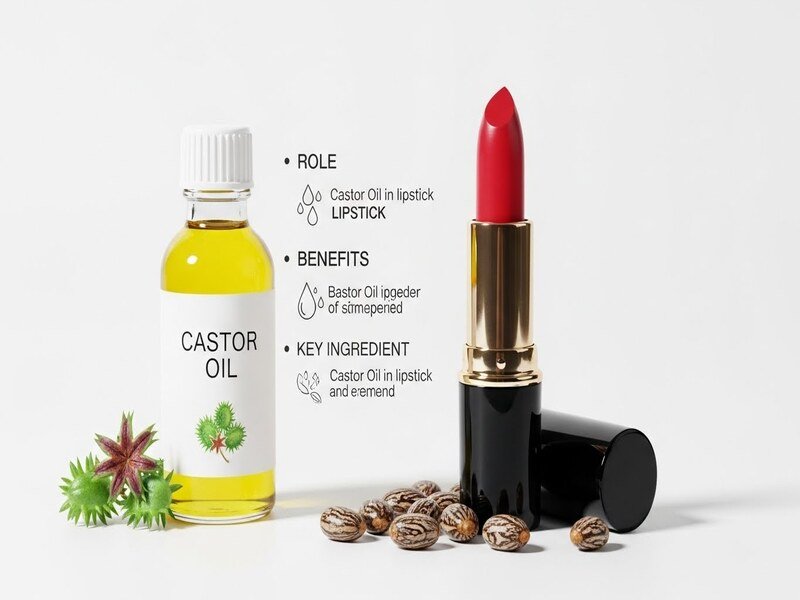
Every lipstick formula needs a delicate balance of oils, waxes, and pigments. Here, castor oil in lipstick acts as a versatile ingredient that brings multiple benefits. First and foremost, it is a superb emollient, which means it keeps the lips hydrated and prevents cracking or dryness. Its high viscosity helps bind pigments effectively, giving lipstick a rich, uniform color.
Another critical function of castor oil in lipstick is its ability to enhance shine. Many lipsticks rely on this natural oil to provide a glossy finish without adding synthetic additives. Whether it’s a creamy matte or a vibrant glossy lipstick, castor oil in lipstick ensures smooth glide and long-lasting wear.
In addition, castor oil for lipstick texture and shine is a significant factor that influences the overall feel of the product. A lipstick that glides effortlessly and leaves a subtle sheen owes much of this quality to castor oil. Its ability to combine hydration with shine makes it indispensable, especially for high-end and professional formulations.
Why Castor Oil is a Preferred Choice for Lipstick
Castor oil has been a staple in cosmetic formulations for decades. Unlike lighter oils that may separate quickly, castor oil has a thick consistency that holds pigments in place. Its natural composition contains fatty acids that nourish the lips while also acting as a carrier oil that blends seamlessly with waxes and other natural oils.
For professional cosmetic formulators, the role of castor oil in lipstick formulation extends beyond functionality. It is considered safe, hypoallergenic, and suitable for sensitive skin types. Many high-end brands use castor oil to ensure that their lipsticks are not only vibrant but also gentle on delicate lips.
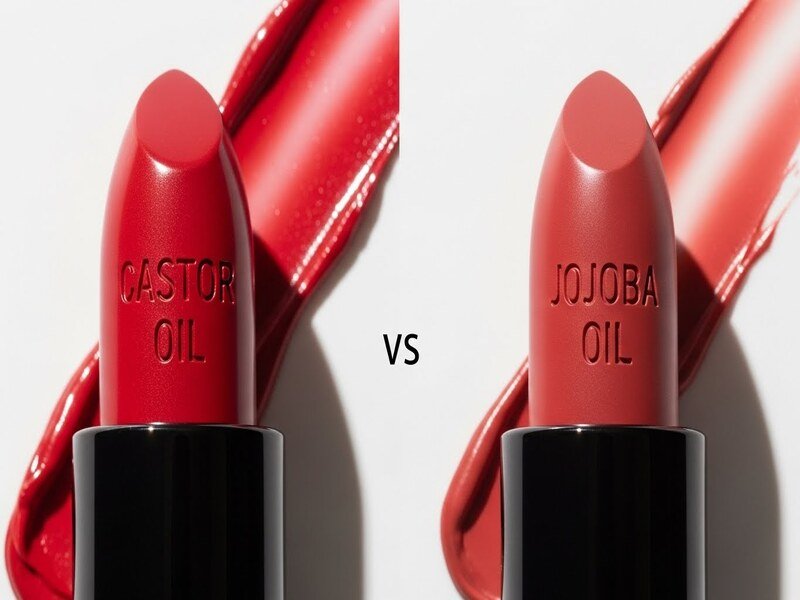
Furthermore, when comparing castor oil vs jojoba oil in lipstick, castor oil is often preferred for its thicker consistency and superior pigment-carrying ability. While jojoba oil adds lightweight hydration, castor oil contributes to the texture, shine, and longevity of the lipstick, making it the primary oil in most formulations.
Key Benefits of Using Castor Oil in Lipstick
Including castor oil in lipstick brings a variety of benefits that go beyond surface appearance. Understanding these advantages helps makeup enthusiasts and formulators alike choose the best products.
- Enhanced Moisturization: It penetrates the skin gently, keeping lips soft and supple throughout the day.
- Rich Pigmentation: Its high viscosity allows pigments to distribute evenly, making colors pop.
- Long-Lasting Wear: By binding pigments and waxes, it extends the staying power of lipstick. This illustrates how castor oil affects lipstick longevity.
- Smooth Application: Its natural lubricating property ensures a creamy glide without tugging.
- Safe for Sensitive Lips: Being natural and hypoallergenic, it reduces irritation.
- Versatility Across Formulas: From creamy to matte lipstick, castor oil for matte and cream lipsticks ensures consistency and comfortable wear.
These advantages make castor oil in lipstick indispensable, especially for formulations that aim to combine care with cosmetic appeal. Additionally, understanding the benefits of castor oil in lipstick helps users select products that balance beauty and lip health.
How Castor Oil Works With Other Lipstick Ingredients
A lipstick is a complex formula, usually comprising waxes, pigments, and oils. Castor oil in lipstick interacts harmoniously with waxes like beeswax, carnauba, or candelilla. While waxes provide structure, castor oil in lipstick ensures the mixture remains smooth and spreadable.
For example, in a matte lipstick, the right proportion of castor oil prevents the lipstick from feeling too dry or stiff. In a glossy formula, it enhances shine and makes pigments appear richer. Essentially, castor oil in lipstick serves as the bridge between structure and beauty.
Additionally, when considering natural oils in lipstick, castor oil often works in synergy with oils like jojoba, almond, or coconut oil. These combinations not only improve texture and hydration but also allow cosmetic formulators to create a balanced product that delivers long-lasting wear without compromising comfort.
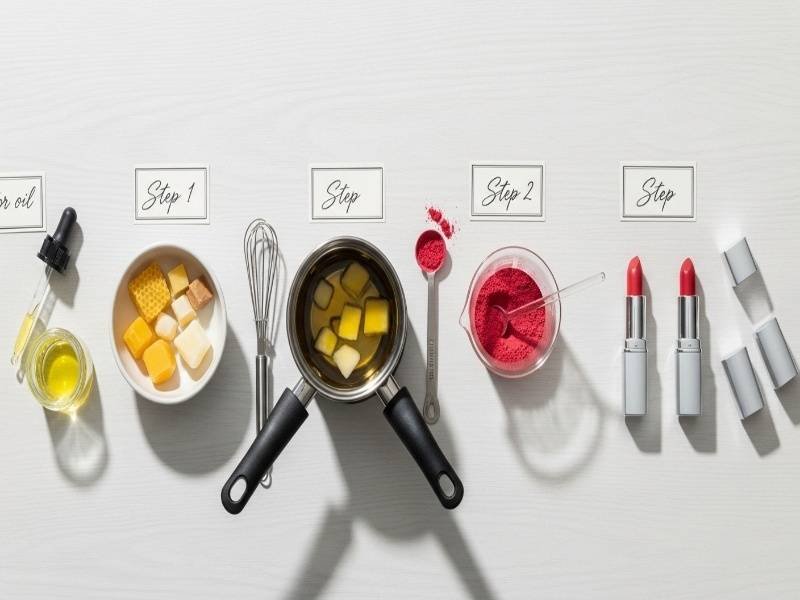
Step-by-Step Guide: Making Lipstick With Castor Oil
If you’re curious about the formulation process, here’s a simple step-by-step overview highlighting castor oil in lipstick:
- Melt the Wax: Combine beeswax, carnauba wax, or other waxes in a double boiler.
- Add Pigments: Mix in finely powdered pigments until evenly blended.
- Incorporate Castor Oil: Slowly add castor oil in lipstick, stirring continuously to maintain smooth texture. This step ensures castor oil for lipstick texture and shine is optimized.
- Add Other Oils (Optional): Jojoba, coconut, or almond oil can be included for extra hydration.
- Pour into Mold: Pour the blend into lipstick molds and allow it to set.
- Test for Texture and Finish: Ensure the lipstick glides smoothly and has the desired shine, pigmentation, and longevity.
This step-by-step guide demonstrates why castor oil in lipstick is such a crucial ingredient in professional formulations.
Tips for Choosing Castor Oil-Based Lipsticks
When selecting a lipstick with castor oil, consider the following tips:
- Check the ingredients list for pure, cold-pressed castor oil.
- Look for formulations that balance wax and oil for a smooth finish.
- For dry lips, pick products with higher castor oil content.
- Glossy formulas typically contain more castor oil in lipstick, while matte lipsticks use a smaller proportion for structure.
- Follow simple castor oil lipstick tips like applying a thin layer first and layering for intensity, ensuring maximum hydration and shine.
These considerations ensure you get both vibrant color and lip care in one product.
Castor Oil vs Jojoba Oil in Lipstick
Understanding castor oil vs jojoba oil in lipstick helps formulators and users make informed choices. Castor oil has a thicker consistency, which enhances pigmentation and provides longer-lasting wear. Jojoba oil, on the other hand, is lighter and adds subtle hydration. In many formulations, castor oil in lipstick remains the primary oil for structure and shine, while jojoba acts as a supporting oil for softness and comfort.
This balance ensures that lipsticks cater to different finishes, from matte to glossy, without compromising texture or longevity.
Frequently Asked Questions (FAQs)
Q1: What makes castor oil essential in lipstick?
A1: Castor oil in lipstick acts as a natural emollient, provides shine, binds pigments, and ensures long-lasting wear, making it a key ingredient in any professional formulation.
Q2: Can castor oil prevent lipstick from drying lips?
A2: Yes, its moisturizing properties keep lips soft, preventing cracks and dryness even in matte formulas.
Q3: Is castor oil safe for sensitive lips?
A3: Absolutely. Castor oil in lipstick is hypoallergenic and gentle, suitable for all skin types.
Q4: How does castor oil improve lipstick pigmentation?
A4: Its thick consistency allows pigments to spread evenly, enhancing color richness and vibrancy.
Q5: Can castor oil be combined with other oils in lipstick?
A5: Yes, it blends well with oils like Jojoba or Coconut Oil, improving hydration and texture without compromising the formula. This is part of understanding natural oils in lipstick.
Q6: How does castor oil affect lipstick longevity?
A6: By binding pigments and interacting with waxes, castor oil in lipstick increases wear time and prevents smudging or fading.
Q7: Can castor oil be used for both matte and cream lipsticks?
A7: Definitely. Castor oil for matte and cream lipsticks ensures smooth application while maintaining hydration and pigment consistency.