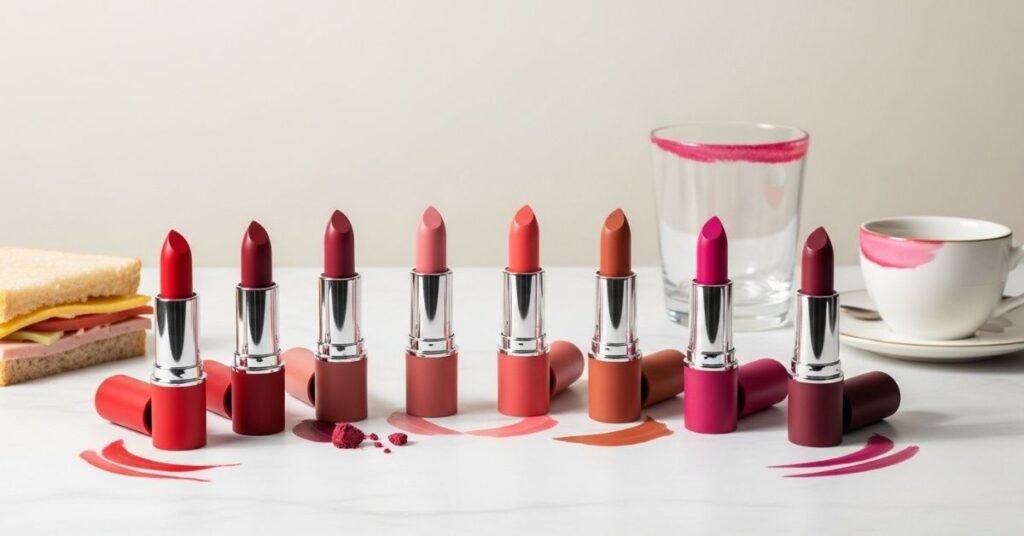
Creating the perfect lipstick is an art and a science. While pigments and waxes are essential, oils define comfort, texture, and wearability. Among these, Castor Oil and Jojoba Oil are two of the most popular natural oils used in lipsticks. Understanding how to blend them correctly is key to achieving smooth application, ideal moisture levels, and long-lasting performance.
In this article, we explore castor oil and jojoba oil lipstick formulation, the ideal castor oil jojoba oil ratio in lipstick, and practical lipstick formulation tips with natural oils to help both professional and DIY formulators create high-quality lipsticks.
Why Use Castor Oil and Jojoba Oil in Lipstick
Both Castor Oil and Jojoba Oil offer unique benefits that complement each other. Castor oil is thick and glossy, improving pigment dispersion and shine. On the other hand, jojoba oil is lightweight and hydrating, keeping lips soft and comfortable.
The benefits of castor oil and jojoba oil in lipstick extend beyond texture. They help bind waxes and pigments, improve smoothness during application, and provide lasting moisture. Combining these oils creates a balanced formula suitable for various lipstick types.
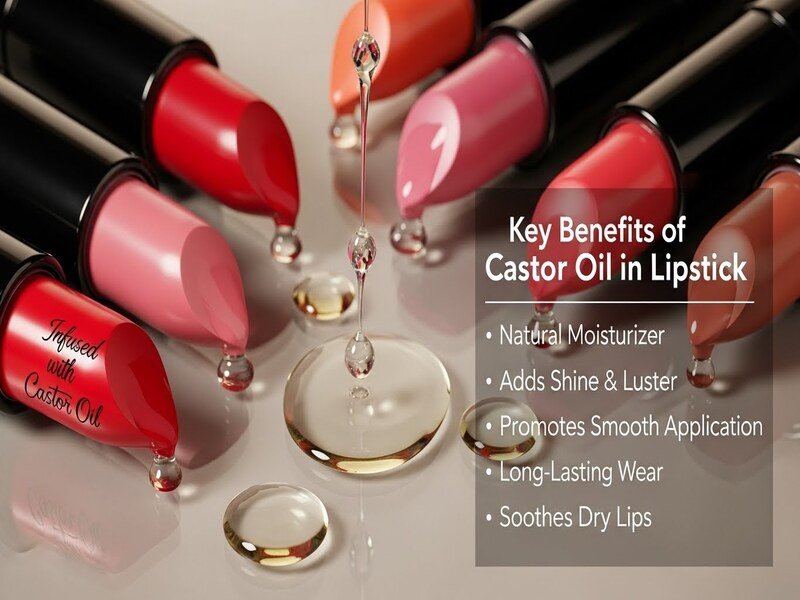
Key Benefits of Castor Oil in Lipstick
Castor oil is a staple in lipstick formulations due to its high viscosity and pigment-carrying ability. It enhances color payoff, provides shine, and increases the staying power of lipsticks.
Lipsticks rich in castor oil feel cushiony and bold. It also acts as a natural gloss enhancer, making it essential in bright or glossy lipstick formulas. For performance-focused lipstick, castor oil is irreplaceable.
Key Benefits of Jojoba Oil in Lipstick
Jojoba oil mimics natural skin sebum, making it highly compatible with the lips. It absorbs quickly, moisturizes deeply, and prevents dryness or flaking.
In formulas, jojoba oil ensures comfort and smooth glide. For sensitive or dry lips, incorporating Castor Oil and Jojoba Oil together can provide hydration while maintaining structural integrity.
Determining the Ideal Castor Oil and Jojoba Oil Ratio in Lipstick
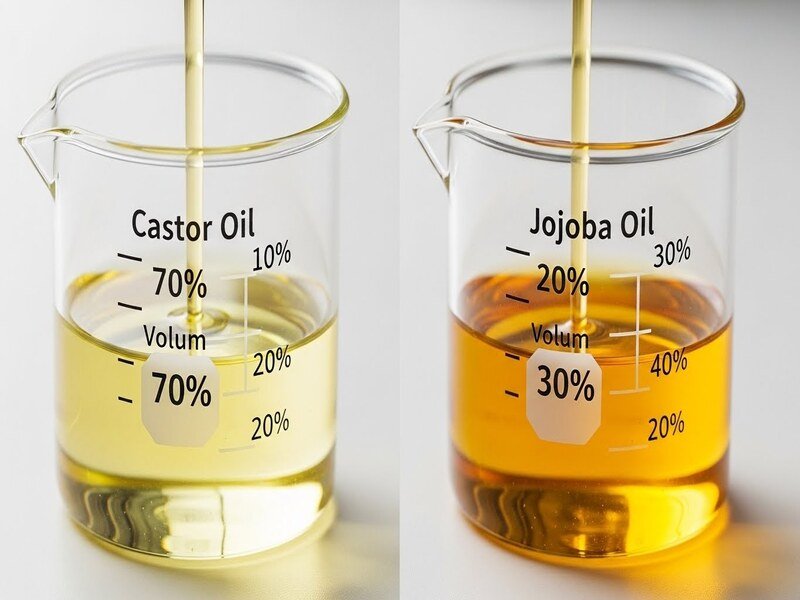
The castor oil jojoba oil ratio in lipstick depends on the desired finish and comfort level.
- High castor oil content: Provides intense shine and bold pigment. Ideal for glossy or long-wear lipsticks.
- High jojoba oil content: Focuses on moisture, softness, and a lightweight feel. Perfect for daily-wear or hydrating lipsticks.
A common starting point for balanced formulations is 70% castor oil to 30% jojoba oil. This ratio can be adjusted depending on whether shine, hydration, or texture is prioritized.
How to Combine Castor Oil and Jojoba Oil Effectively
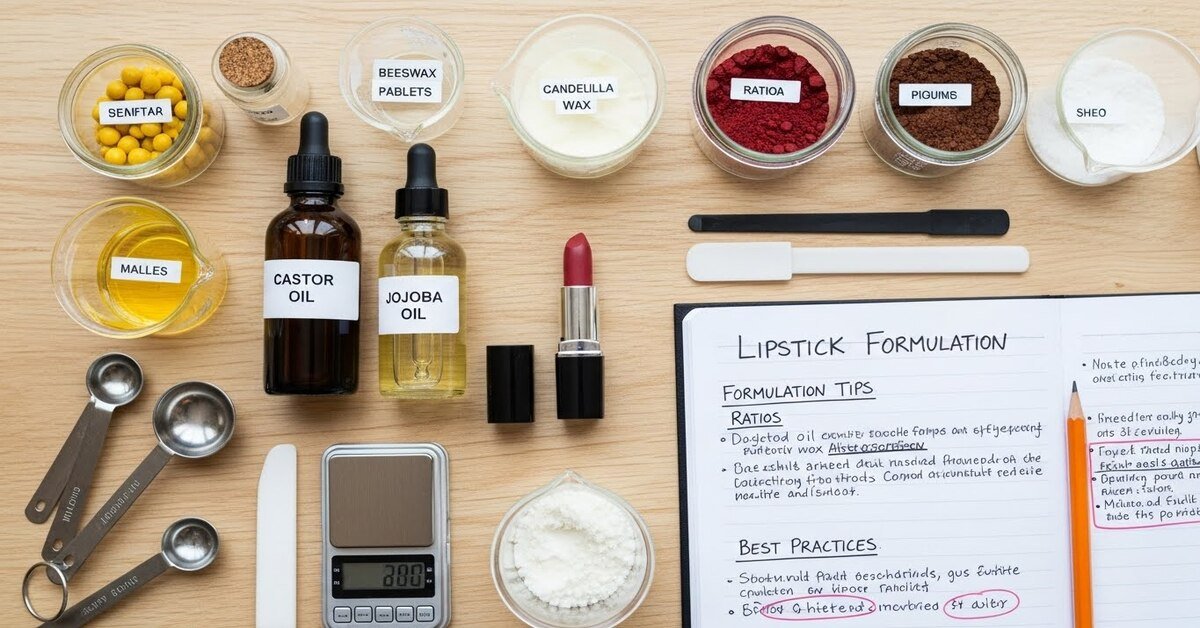
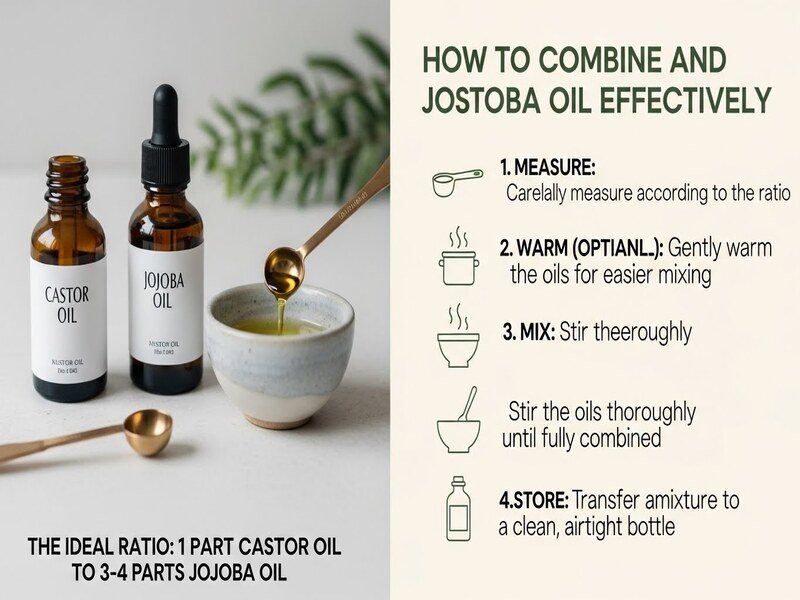
When working with castor oil and jojoba oil lipstick formulation, follow these steps for best results:
- Heat waxes gently: Beeswax, carnauba, and candelilla waxes provide structure.
- Blend oils carefully: Add castor oil and jojoba oil according to the chosen ratio, ensuring even distribution.
- Add pigments gradually: Mix pigments into the oil-wax blend for smooth, consistent color.
- Cool and mold: Allow the mixture to cool slightly before pouring into lipstick molds to maintain shape.
This process ensures a harmonious balance between shine, glide, and hydration.
Best Practices for Using Castor Oil and Jojoba Oil
- Avoid excessive oil: Too much oil can make lipstick soft and prone to smudging.
- Test ratios on small batches: Experimenting helps find the perfect balance between shine and moisture.
- Combine with suitable waxes: Waxes provide structure; the right combination prevents oil separation.
- Store properly: Keep formulations away from heat to maintain stability.
Following these lipstick formulation tips with natural oils ensures high-quality lipstick with consistent performance.
Choosing the Right Combination for Different Lipstick Types
Different finishes require adjustments in oil ratios:
- Matte lipsticks: Slightly higher jojoba oil content helps reduce dryness without compromising matte texture.
- Cream or satin lipsticks: Balanced ratio of castor oil and jojoba oil ensures smooth application and lasting hydration.
- Glossy lipsticks: Higher castor oil content enhances shine and pigmentation.
Understanding the desired outcome is critical for the best oil combination for lipstick.
Additional Tips for DIY Formulators
- Measure precisely: Small variations in oil ratios can affect performance.
- Use high-quality oils: Cold-pressed or refined oils ensure better results.
- Blend thoroughly: Proper mixing prevents separation and uneven texture.
- Test on lips: Real-world testing ensures the lipstick is comfortable and long-lasting.
Combining Castor Oil and Jojoba Oil correctly can transform your lipstick from ordinary to professional-grade.
Conclusion: Achieving the Perfect Balance
Using Castor Oil and Jojoba Oil in lipstick allows formulators to harness the best of both worlds: shine, pigment payoff, hydration, and comfort. By understanding their unique properties, ideal castor oil jojoba oil ratio in lipstick, and following lipstick formulation tips with natural oils, you can create products that satisfy both aesthetic and functional needs.
The right combination ensures lipsticks that glide smoothly, nourish lips, and last throughout the day. Whether for DIY projects or professional formulations, these oils are essential for modern, high-performance lipsticks.
FAQs About Castor Oil and Jojoba Oil in Lipstick
1. What is the best castor oil and jojoba oil lipstick formulation?
A balanced formula with roughly 70% castor oil and 30% jojoba oil works well for most finishes, giving both shine and hydration.
2. How do I determine the castor oil jojoba oil ratio in lipstick?
Start with 70:30 (castor:jojoba) and adjust based on desired shine, texture, and comfort. Higher jojoba increases softness, higher castor increases gloss.
3. What are the main benefits of castor oil and jojoba oil in lipstick?
They enhance color payoff, improve smoothness, provide moisture, and ensure comfort during long wear.
4. Which is the best oil combination for lipstick?
Using both oils together offers a balance between glossy, long-wearing formulas and hydrating, comfortable finishes.
5. Are there any special lipstick formulation tips with natural oils?
Yes. Always measure precisely, blend thoroughly, combine with suitable waxes, and test small batches to refine your formula.
For a complete understanding of Oils in lipstick, read our detailed guide:
Castor Oil in Lipstick: Role, Benefits