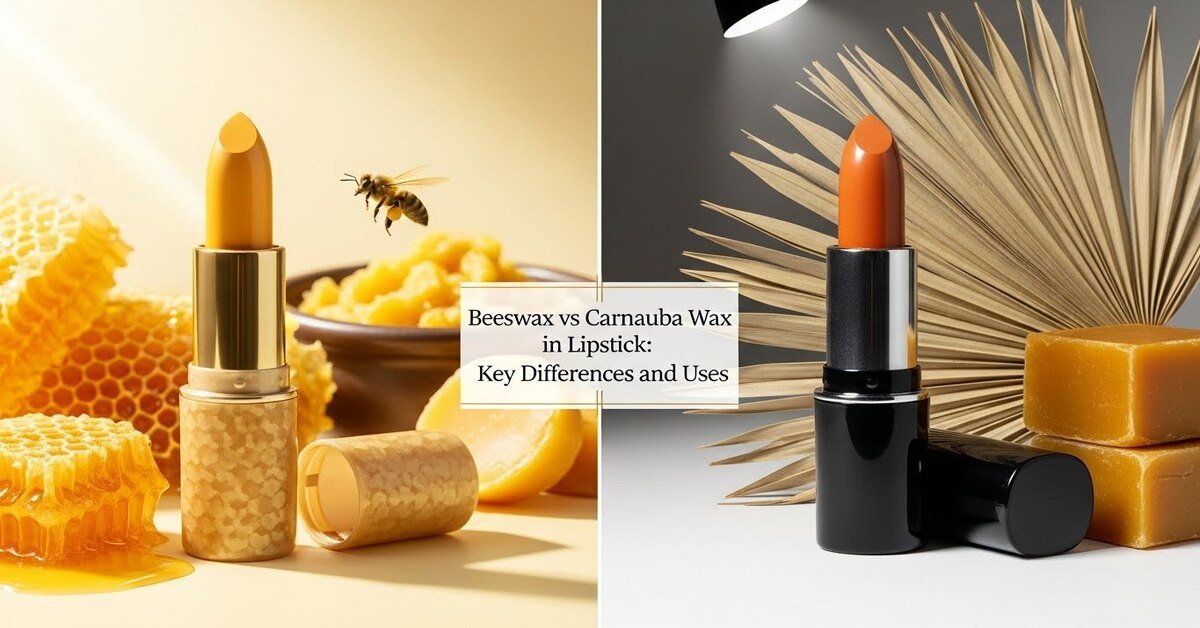
When you hold a perfect lipstick bullet, you’re holding a masterpiece of balance. The wax isn’t just a filler; it’s the architect. For years, I assumed all natural waxes were interchangeable—until a failed DIY project proved me wrong. My beeswax-based lipstick was too soft and melted in my bag, while my carnauba attempt was so hard it tugged on application. That frustrating afternoon became a lesson: beeswax vs carnauba wax in lipstick isn’t a minor detail; it’s the fundamental decision that determines everything from texture to longevity. Choosing the right one means the difference between a product that’s a joy to use and one that’s a constant compromise.
In the foundation of any great lipstick lie its waxes. Beeswax in lipstick and Carnauba Wax in Lipstick are two of the most revered, yet they couldn’t be more different. One is a gift from the animal kingdom, pliable and nurturing; the other is a vegetable powerhouse, hard and glossy. What is the difference between beeswax and carnauba wax? And more importantly, what is the best wax for lipstick for your specific needs? This guide will dissect their unique properties, so you can understand not just what you’re putting on your lips, but why it works.
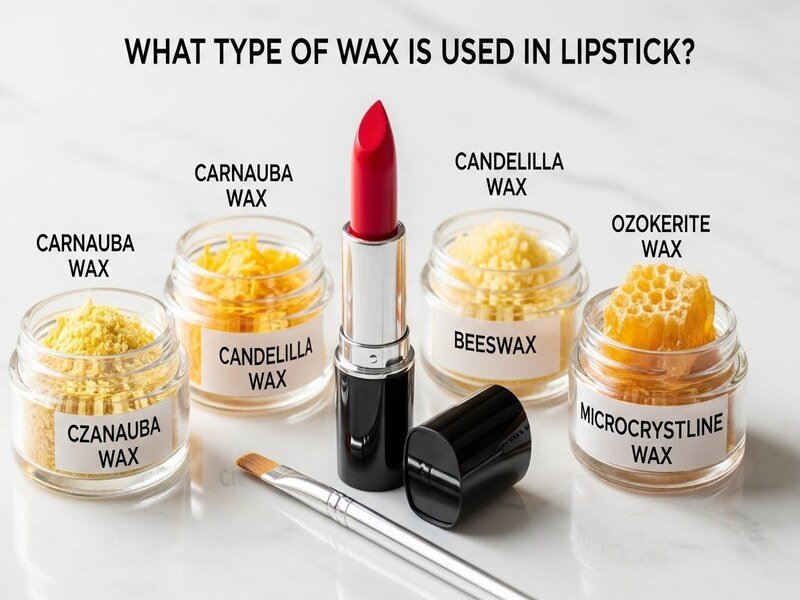
The Core Question: What Type of Wax is Used in Lipstick?
Lipsticks rarely use a single wax. Master formulators create blends to harness the strengths of different types. The most common natural waxes are:
- Animal Wax: Beeswax is the classic, beloved for its elasticity and emollient properties.
- Vegetable Waxes: Carnauba Wax (from palm leaves) is the hardest natural wax, while Candelilla Wax in Lipstick offers a vegan alternative with a high melt point.
- Mineral Wax: Petroleum-derived waxes like paraffin offer stability and low cost.
The choice depends on the desired finish, ethics, performance, and feel. For a full overview, our guide on Wax Types in Lipstick breaks it all down.
Head-to-Head: Beeswax vs Carnauba Wax Breakdown
| Property | Beeswax in Lipstick | Carnauba Wax in Lipstick |
|---|---|---|
| Source | Secreted by honeybees (animal by-product). | Harvested from the leaves of the Brazilian palm tree (plant-based, vegan). |
| Texture & Hardness | Softer, more pliable. Melting point: ~62-65°C. | Extremely hard and brittle. Melting point: ~80-86°C. Is carnauba wax harder than beeswax? Yes, significantly. |
| Primary Function | Emollient, binder, provides structure and plasticity. Creates a creamy, forgiving texture that’s easy to apply. | Hardening agent, high-gloss finish. Provides structure, longevity, and a shiny, protective top coat. |
| Feel on Lips | Nourishing, protective, occlusive. Can feel creamy and comforting. | Creates a sleek, polished film. In high amounts, can feel stiff or dry. |
| Best For | Creamy, satin, and balm-like lipsticks. Adds emollience and prevents bleeding. | Matte, long-wear, and high-shine lipsticks. Adds bullet strength and prevents melting. |
| Key Disadvantage | What is the disadvantage of beeswax? Not vegan. Can make formulas too soft in warm climates. Can have a natural scent. | What is the disadvantage of carnauba wax? Can be too hard/brittle alone, leading to drag or breakage. Can impart a waxy feel if overused. |
Deep Dive: The Function of Each Wax
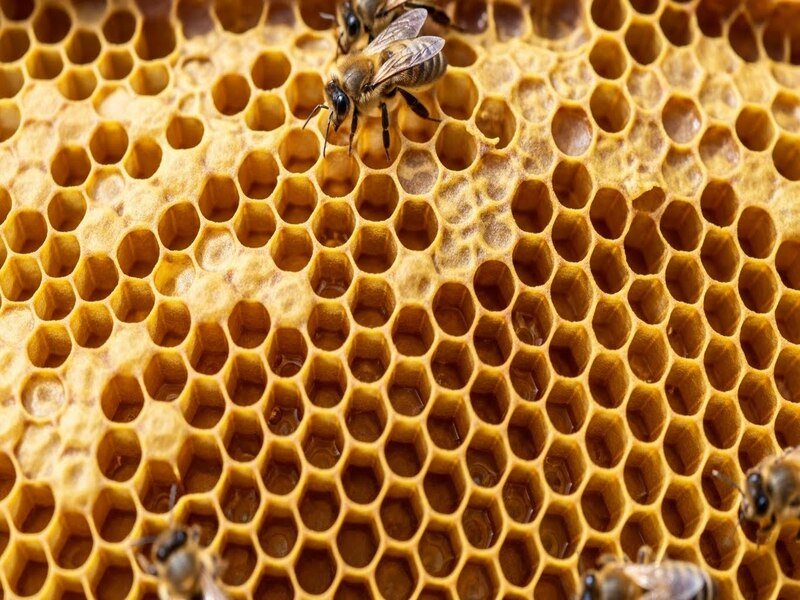
What is the Function of Beeswax in Lipstick?
Beeswax is the nurturing backbone. Its complex structure allows it to:
- Bind Ingredients: It acts as an emulsifier, holding oils, butters, and pigments together in a stable blend.
- Provide Structure: It gives the lipstick bullet its basic form and prevents it from being a mere paste.
- Add Emollience: It conditions and protects the lips, forming a breathable barrier that locks in moisture.
- Improve Payoff: Its plasticity helps the lipstick deposit color smoothly and evenly.
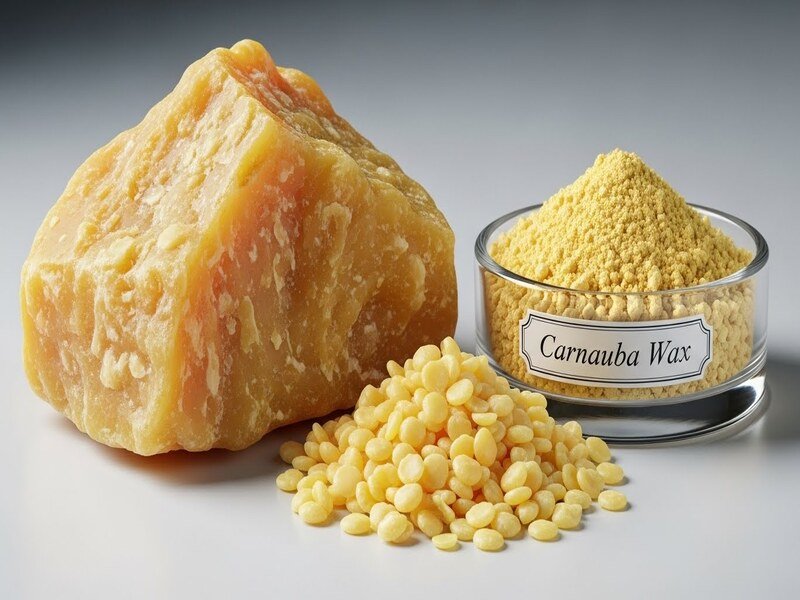
What is the Function of Carnauba Wax in Lipstick?
Carnauba wax is the performance enhancer. What is special about carnauba wax? Its exceptional hardness and high-gloss finish.
- Increase Hardness & Durability: It reinforces the lipstick bullet, making it resistant to breaking and melting. This is crucial for long-wearing lipstick.
- Create a Glossy Finish: It naturally polishes to a high shine, giving lipsticks a lustrous, just-applied look.
- Form a Protective Film: It creates a more water-resistant barrier on the lips than beeswax, helping color last through drinks.
- Stabilize Formulas: It helps suspend pigments and prevents “sweating” (oil separation).
Is carnauba wax good for lips? Yes, as part of a balanced formula. It is non-toxic and hypoallergenic. However, its primary job is structural, not moisturizing, so it must be paired with emollient oils and butters.
The Verdict: Which Wax is “Best” and Is Carnauba Outdated?
What is the best wax for lipstick? There is no single winner. The “best” wax is a strategic blend.
- A creamy, hydrating lipstick will use a higher ratio of beeswax for its emollient properties.
- A matte, long-wear liquid lipstick or a hard bullet will rely more on carnauba (or synthetic polymers) for its staying power and structure.
- Most commercial lipsticks use a combination, often with beeswax for feel and carnauba for strength and shine.
Is carnauba wax outdated? Absolutely not. While trends shift, carnauba’s unique properties are irreplaceable in cosmetics. What is carnauba wax used for in cosmetics? Beyond lipstick, it’s vital in mascara (for waterproofing), eyeliners, deodorants, and pill coatings. Its plant-based, vegan origin keeps it highly relevant in today’s clean beauty market. Is carnauba wax natural or artificial? It is 100% natural, harvested from the leaves of the Copernicia prunifera palm.
Practical Implications for Your Lipstick
- If a Lipstick Breaks Easily: It may have too much hard wax (like carnauba) and not enough plasticizing wax (like beeswax) or oils.
- If a Lipstick Melts or is Too Soft: It likely has a high ratio of soft waxes/oils and needs more hard wax for structure.
- For Vegan Consumers: Carnauba and candelilla are essential plant-based alternatives to beeswax.
FAQs: Beeswax vs Carnauba Wax
Can they be used together?
Yes, this is the professional standard. A blend leverages beeswax’s emollience and carnauba’s hardness and shine, creating a balanced, high-performing lipstick.
Which is more expensive?
Carnauba wax is typically more expensive due to its labor-intensive harvesting process.
Does beeswax make lipstick more moisturizing?
Yes. Beeswax is inherently more occlusive and conditioning than carnauba wax, which is more functional and film-forming.
Is one more sustainable than the other?
Both can be sustainable if sourced responsibly. Beeswax supports beekeeping, which is vital for ecosystems. Carnauba is harvested from wild palms without felling trees, but ethical labor practices are a consideration.
For a DIY lipstick, which should I start with?
Start with beeswax for its forgiveness and ease of use. Incorporate a small percentage (5-10%) of carnauba wax if you need a harder bullet or more shine. Always balance with plenty of nourishing oils like Castor Oil or Jojoba Oil in Lipstick.
Understand More About Lipstick Foundations:
- Wax in Lipstick – Learn why wax is the essential base.
- Beeswax in Lipstick – A deep dive into the properties of beeswax.
- Carnauba Wax in Lipstick – A complete guide to the “Queen of Waxes.”
- Lipstick Ingredients Explained – Context on how waxes fit into the full formula.
- Natural Lipstick Ingredients – Explore other plant and mineral-based components.