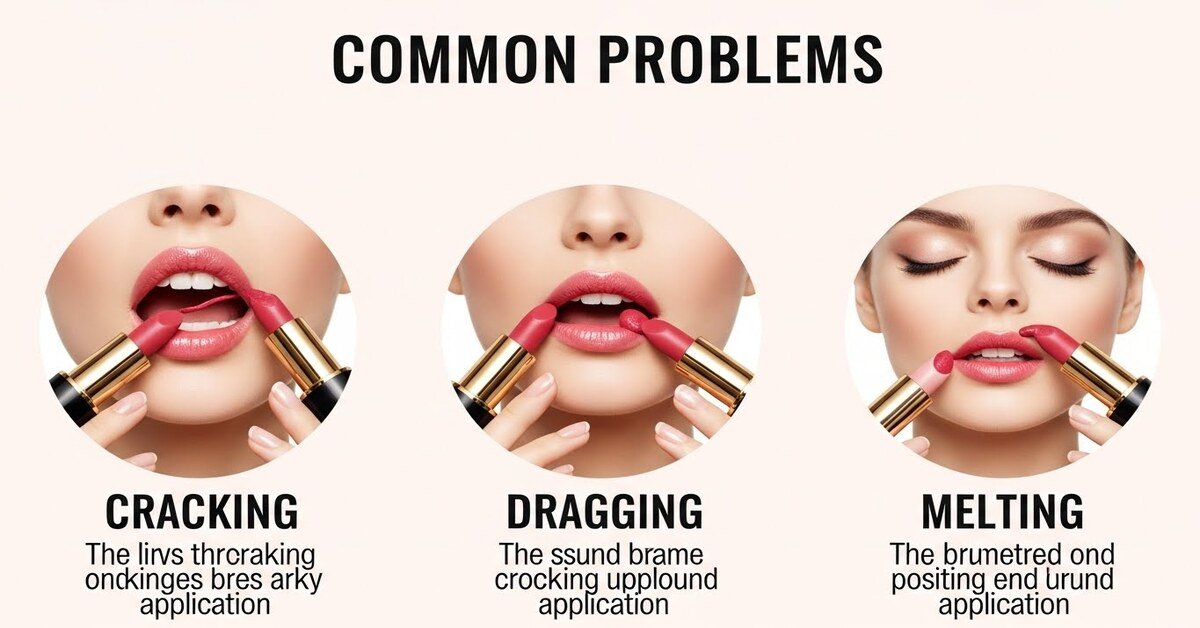
You reach for your favorite lipstick, the one that usually feels like silk, but today it drags across your lips like a dry marker. Or worse—you find it cracked in its tube, or a melted mess at the bottom of your summer bag. This isn’t just bad luck; it’s your lipstick sending you a distress signal about its formula problems. For years, I blamed myself—maybe I stored it wrong?—until a cosmetic developer explained that these issues are baked in during creation. Why lipsticks crack, drag, or melt often comes down to three simple, fixable mistakes in their core recipe.
The good news? Once you understand the lipstick formula problems at play, you can learn how to prevent lipstick cracking and choose products that won’t let you down.
This guide isn’t about complex chemistry. It’s your practical manual to decoding lipstick frustrations and turning them into easy lipstick care tips. We’ll link each common complaint—the dragging on lips, the melting in heat, the sudden crack—to its root cause and give you clear, actionable solutions. Whether you’re dealing with a luxury brand or a drugstore gem, these principles apply. Let’s transform you from a frustrated user into an informed consumer who knows how to pick, use, and store lipsticks for perfect performance every time.
This concern is covered in our Lipstick Care & Tips section, where we explain common lipstick problems and how simple prep steps can prevent them.
Problem 1: The Lipstick That Drags & Tugs
The Complaint: Applying your lipstick feels like a workout. It pulls at your lips, skips patches, and never glides smoothly.
The Core Formula Problem: This is a classic case of a wax and oil imbalance. The formula likely has too high a ratio of hard, structuring waxes (like Carnauba Wax) and not enough emollient oils or soft, plasticizing waxes (like Beeswax in Lipstick). It’s designed for long-wear but forgot about comfort. Think of it like a cake with too much flour and not enough butter—it’s dry and crumbly.
Your Care Tips & Fixes:
- Pre-Purchase Test: In the store, gently swatch the lipstick on your hand. If it feels at all dry or tuggy on your skin, it will be worse on your lips.
- The Layer Trick: Never apply a “draggy” lipstick directly to bare, dry lips. First, apply a very thin layer of lip balm. Let it absorb for 60 seconds, then blot off any excess. This creates a smooth, slightly slippery canvas.
- Warm It Up: Before applying, gently run the bullet against the back of your hand once. The heat and friction will soften the very top layer, making it more malleable for a smoother application.
Problem 2: The Lipstick That Cracks & Breaks
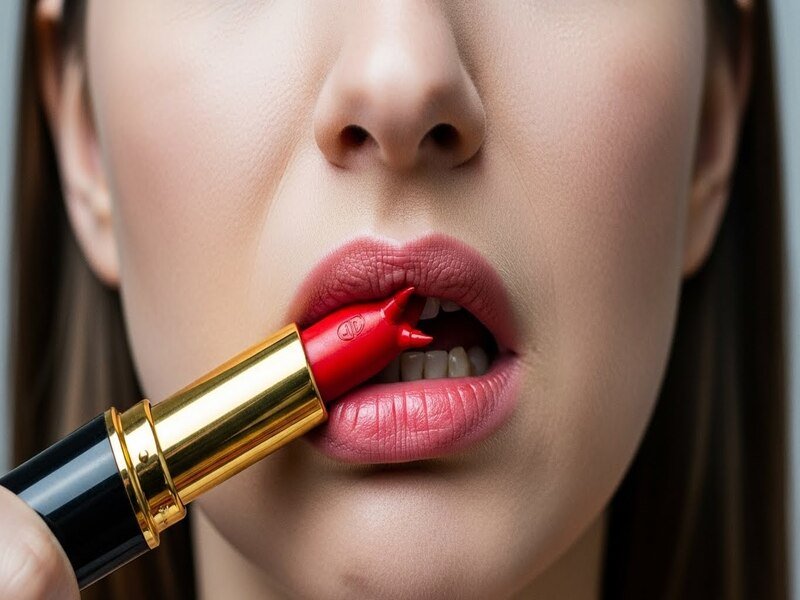
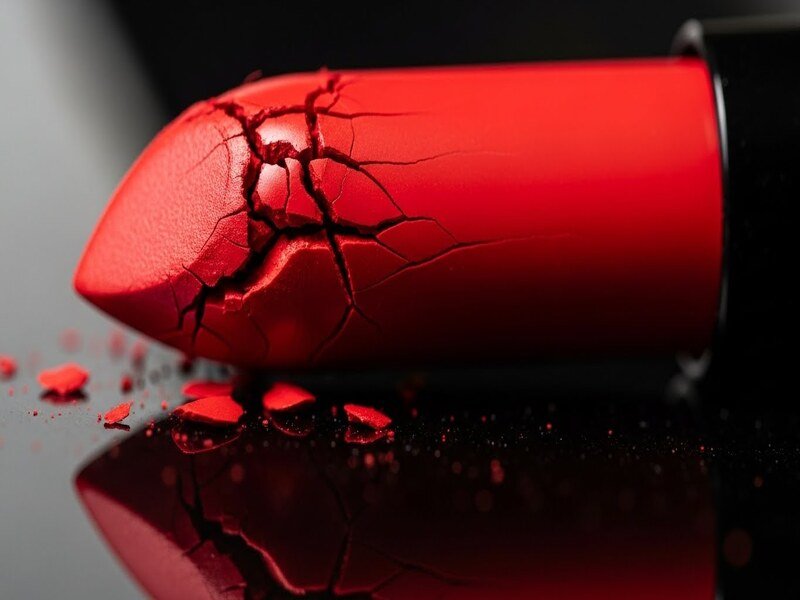
The Complaint: Your lipstick bullet has a vertical crack, or a chunk has broken off entirely, especially when you try to apply pressure.
The Core Formula Problem: This is a structural failure due to incorrect wax ratios. The blend is too brittle. It may have an overabundance of hard waxes without enough flexible, binding agents (like certain oils or flexible synthetic waxes) to give it “bend strength.” You can learn more about this delicate balance in our guide on Wax Ratios in Lipstick Formulation.
Your Care Tips & Fixes:
- Prevention is Key: When buying, inspect the base of the bullet in the tube. If you see any tiny cracks already there, avoid it.
- Gentle Handling: Only twist up 1-2 millimeters of product at a time. Applying with a lip brush can reduce pressure on the bullet.
- The Fridge is Your Friend: If a lipstick feels soft or you live in a warm climate, store it in the refrigerator. The cool temperature keeps the wax structure firm and prevents it from becoming pliable enough to snap under pressure.
Problem 3: The Lipstick That Melts or “Sweats”
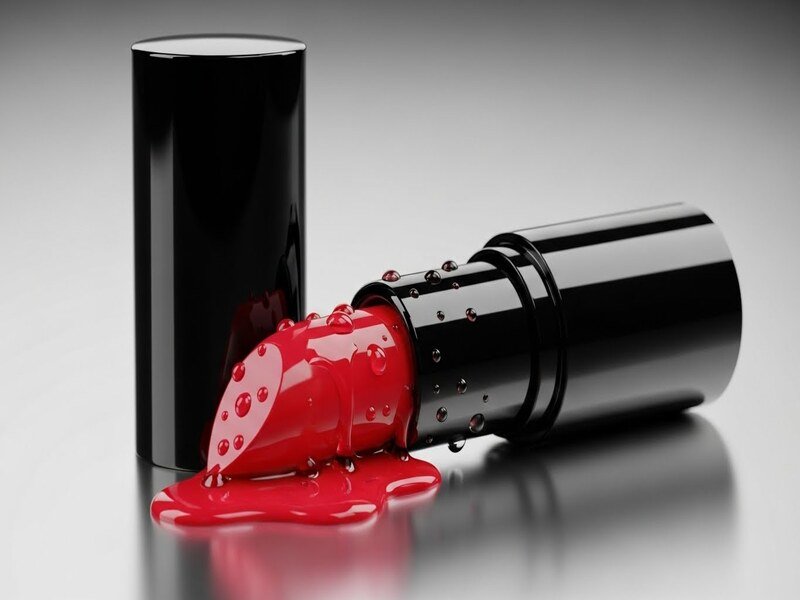
The Complaint: Your lipstick bullet is soft, greasy, or has little beads of oil on its surface. In extreme cases, it turns into a puddle.
The Core Formula Problem: This is a heat stability failure. The melting point of the wax blend is too low for everyday conditions. The lipstick formula may have a too-high oil content or rely on waxes that can’t withstand a warm pocket or handbag. This is the opposite problem of the cracking issue.
Your Care Tips & Fixes:
- Smart Storage: Never leave lipsticks in a hot car, direct sunlight, or a steamy bathroom. Your handbag is warmer than you think!
- Decode the Finish: As a rule of thumb, matte and long-wear formulas typically have higher melting points than creamy or glossy ones. Save the creamy formulas for cooler weather or air-conditioned days.
- The Salvage Operation: If it’s just softened, 30 minutes in the fridge can re-solidify it. If fully melted, you can carefully re-melt it uniformly in its tube with a hairdryer (on low, from a distance), then let it cool completely in the fridge.
Proactive Care: Your Lipstick Preservation Routine
Integrating these lipstick care tips into your routine will extend the life of every tube:
- Always Cap It Tight: Exposure to air dries out the oils in the formula, making any existing wax and oil imbalance worse and leading to dragging or cracking.
- Store Upright in a Cool, Dry Drawer: This prevents deformation and protects from heat and light, the two biggest enemies of stability.
- Sanitize Wisely: To clean the surface, gently wipe with a tissue. Avoid using alcohol, as it can dry out the top layer and alter the formula.
- Know When to Let Go: Expired lipstick can separate, smell rancid, or change texture. If your lipstick is behaving strangely and it’s over 2 years old, the formula problems may be due to age. It’s time to replace it.
FAQs: Solving Your Lipstick Issues
Can I fix a broken lipstick?
Yes! Use a lighter to gently melt the broken edges, press them together, and chill in the fridge for an hour. For a completely broken bullet, you can melt it down and pour it into an empty lip balm tin to create a lip color pot.
Why does my lipstick look cakey or separate on my lips?
This is often a sign of expired product or a formula where the pigments and oils have separated. It can also happen if you apply too many layers without blotting in between.
Is a more expensive lipstick less likely to have these problems?
Not necessarily. Price doesn’t always equal perfect wax ratios. However, reputable brands (at various price points) do invest in stability testing, which minimizes these flaws before the product hits shelves.
How can I make any lipstick last longer?
Use a lip liner all over your lips as a base. Apply your lipstick, blot with a tissue, and then apply a second thin layer. This helps anchor the color.
What’s the one thing I should look for when buying?
Texture in the swatch. If it doesn’t feel comfortable and blendable on your hand in the first 5 seconds, it won’t magically improve on your lips.
Become a Lipstick Expert:
- Wax in Lipstick – Understand the #1 ingredient that controls everything.
- Wax vs Oils in Lipstick – Learn how the balance dictates texture.
- Why Some Lipsticks Crack, Drag, or Melt – Dive deeper into manufacturing flaws.
- Lipstick Ingredients Explained – Decode your entire lipstick label.
- Natural vs Synthetic Wax in Lipstick – Understand your material choices.