The moment of hesitation is real. You’re about to apply your favorite lipstick, but a nagging thought creeps in: Is wax in lipstick safe for lips? I’ve watched countless clients at the beauty counter pause, tube in hand, caught between the desire for color and whispers of worry about lipstick ingredients safety. This concern often stems from a cloud of misinformation that paints all waxes with the same suspicious brush.
The truth is far more nuanced. As a beauty editor who has visited labs and spoken directly with cosmetic chemists, I can tell you that the safety of lipstick wax isn’t a simple yes or no—it’s a question of quality, source, and personal sensitivity. It’s time to separate the scary headlines from the scientific facts.
Let’s clear the air. Wax isn’t a filler or a cheap trick; it’s the essential architectural ingredient that gives lipstick its form and function. The real question isn’t “Is lipstick wax harmful?” but “What kind of wax is in my lipstick, and is it from a reputable source?” This guide will dismantle the common lipstick wax myths, compare beeswax vs synthetic wax in lipstick, and empower you with clear facts. By the end, you’ll know exactly what ingredients should you avoid in lipstick and how to confidently choose products that align with your health and beauty standards.

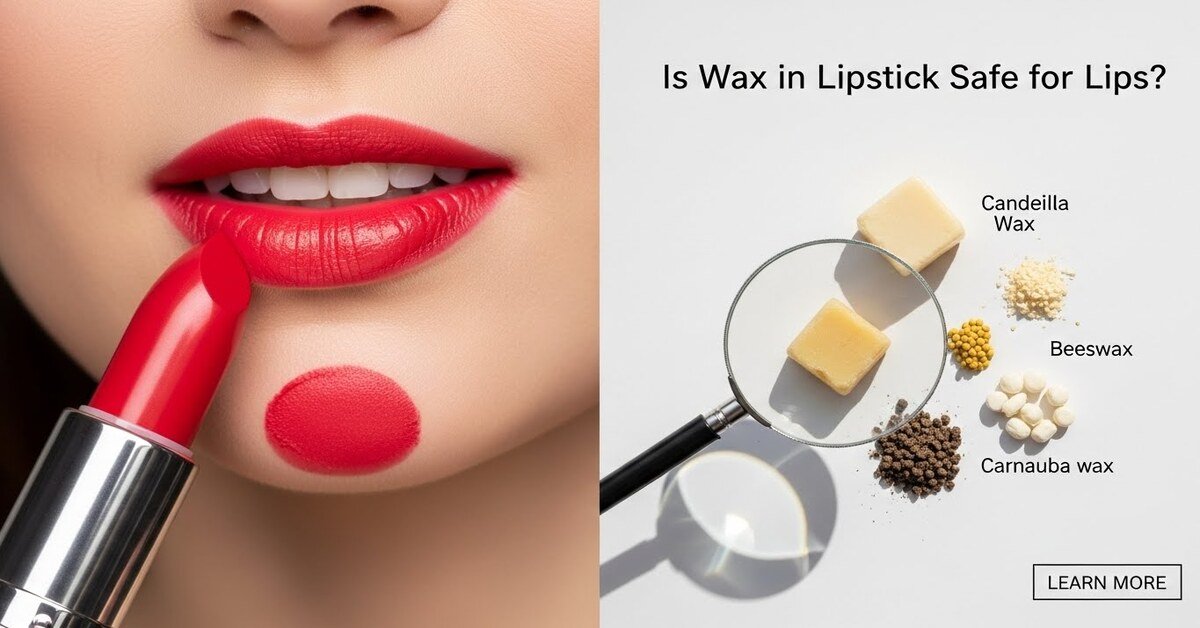
Is Wax in Lipstick Safe for Lips?
The Core Function: Why is Wax Used in Lipstick?
Before assessing safety, we must understand purpose. Why is wax used in lipstick? Wax is the non-negotiable structural foundation. It’s what transforms a pigmented oil into a solid, moldable bullet that glides on your lips. It provides:
- Structure & Shape: Holds the lipstick together.
- Texture Control: Creates anything from a creamy glide to a velvety matte finish.
- Stability: Prevents the lipstick from melting at room temperature.
- Barrier Function: Helps form a protective film on the lips, locking in moisture.
Without wax, you’d have lip gloss or liquid lipstick. Its presence is fundamental, not optional.
Myth vs. Fact: Debunking Common Wax Fears
Let’s tackle the biggest misconceptions head-on.
| Myth | Fact & Explanation |
|---|---|
| Myth 1: All wax in lipstick is bad and clogs pores. | FACT: Not all waxes are comedogenic. High-quality, refined cosmetic-grade waxes like Beeswax and Candelilla Wax are generally non-comedogenic. They sit on the skin’s surface to form a protective barrier and are not designed to be absorbed into pores. |
| Myth 2: Synthetic wax is toxic and dangerous. | FACT: Regulated synthetic waxes are rigorously tested for safety. Ingredients like polyethylene and microcrystalline wax used in cosmetics must pass stringent global safety assessments (by the FDA, EU SCCS, etc.). Is synthetic wax safe in lipstick? When used in approved concentrations by reputable brands, yes. They offer consistency and stability that natural waxes sometimes lack. |
| Myth 3: Natural wax is always safe. | FACT: “Natural” does not automatically mean “non-allergenic.” While natural wax in lipstick like beeswax is safe for most, some individuals can have specific allergies to it. The key is purity—poorly processed natural ingredients can contain impurities. |
| Myth 4: Lipstick wax causes heavy metal poisoning. | FACT: This fear stems from outdated practices. Modern cosmetic regulations strictly limit heavy metal impurities in all colorants and raw materials, including waxes. Reputable brands test their ingredients to ensure compliance. The risk is virtually non-existent with established, compliant manufacturers. |
Navigating Safety: What You Should Look For & Avoid
So, which is the safest lipstick to use? Safety is a combination of regulation, brand integrity, and your personal biochemistry.
What ingredients should you be cautious of? (It’s rarely the wax itself):
- Fragrance/Parfum: A common allergen that can cause irritation, especially on sensitive lips.
- Certain Drying Alcohols: Like SD Alcohol 40, which can be stripping.
- Individual Allergens: If you know you’re allergic to lanolin, beeswax, or specific plant oils, avoid them.
What is the healthiest thing to put on your lips? For pure nourishment, a simple balm with a few ingredients like shea butter, jojoba oil, and a non-allergenic wax is ideal. But for lipstick, look for:
- Transparent Branding: Brands that clearly list all ingredients.
- Certifications: Look for seals like Leaping Bunny (cruelty-free) or FDA compliance statements, which indicate adherence to manufacturing standards.
- Performance: A lipstick that doesn’t cause dryness, tingling (unless intended), or irritation is a good sign it’s compatible with your lips.
Which is the safest lipstick brand to use? There is no single “safest” brand for everyone. The safest brand for you is one that:
- Uses high-quality, well-sourced ingredients.
- Avoids your personal known allergens.
- Has a strong reputation for quality control and consumer transparency.
The Verdict: Beeswax vs. Synthetic Wax Safety
This is a common crossroads. Is natural wax safe in lipstick? Is synthetic?
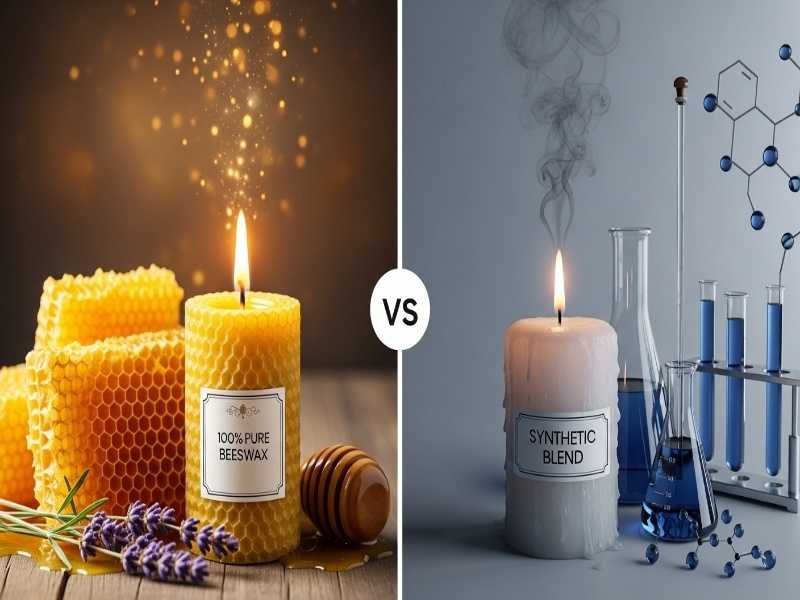
- Beeswax in Lipstick: Generally safe, nourishing, and an excellent emollient. The primary concern is for vegans or those with specific bee-product allergies.
- Synthetic Wax: Generally safe, consistent, and often vegan. It provides reliable performance and is highly refined to remove impurities.
The choice isn’t about which is universally “safer,” but which aligns with your values (vegan vs. natural) and which your skin tolerates better. For a detailed breakdown, our article on Natural vs Synthetic Wax in Lipstick explores this in depth.
FAQs: Your Lipstick Safety Questions Answered
Can lipstick wax dry out my lips?
Certain hard waxes in high concentrations (like in some matte formulas) can feel drying if the formula isn’t balanced with enough emollients. Look for mattes that include conditioning ingredients.
Should I avoid lipsticks with petroleum-based waxes?
Refined petroleum waxes (like paraffin) approved for cosmetic use are considered safe. However, if you prefer plant-derived or “clean” beauty principles, you may choose to avoid them. It’s a personal preference, not a definitive safety issue.
How can I test if I’m sensitive to a lipstick wax?
Patch test. Apply a small amount of the lipstick on the inside of your forearm or near your elbow. Cover with a bandage and leave for 24-48 hours. If you see redness, swelling, or feel itchiness, you may be sensitive to an ingredient in the formula.
Does expensive lipstick use safer wax?
Price isn’t a direct indicator of wax safety. Both drugstore and luxury brands use regulated, safe ingredients. Luxury brands may use more expensive, rare, or specially processed waxes for a unique feel.
What’s the #1 rule for lipstick safety?
Listen to your lips. If a product consistently causes discomfort, itching, or peeling, discontinue use—regardless of its ingredient list or “natural” claims. Your body’s reaction is the most important safety test.
Make Informed Choices About Your Lipstick:
- Lipstick Ingredients Explained – A full guide to what’s in your tube.
- Natural vs Synthetic Wax in Lipstick – Weigh the pros and cons of each type.
- What is Lipstick? – Understand the full composition and history.
- Beeswax in Lipstick – Deep dive into the properties of this natural wax.
- Wax in Lipstick – Learn all about this foundational ingredient.