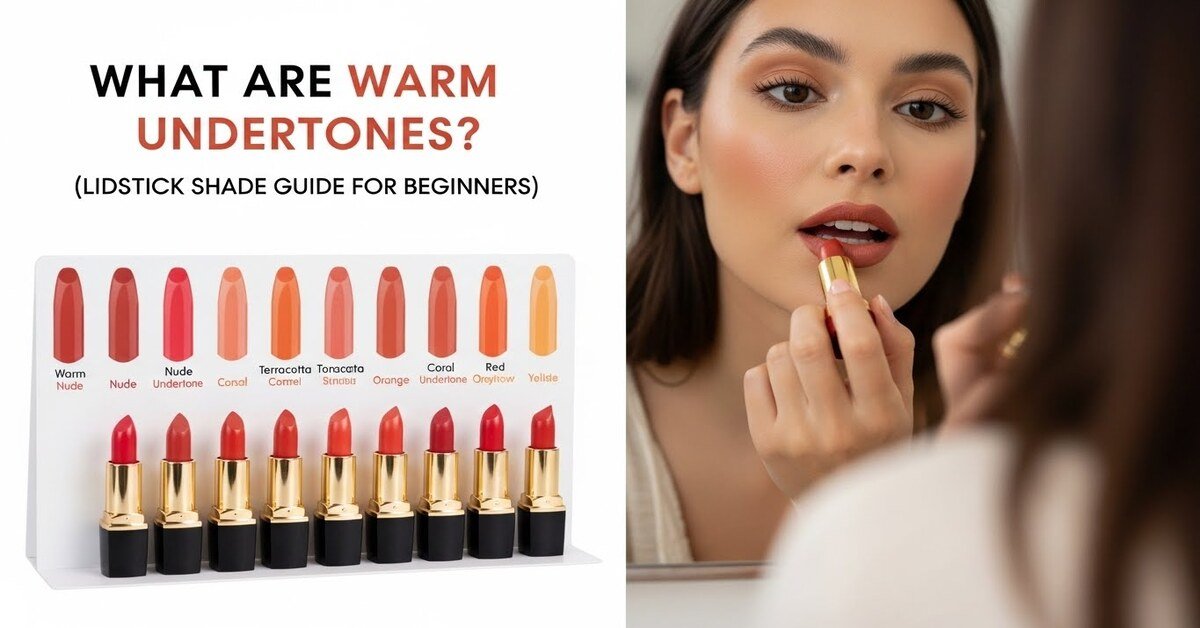
Have you ever tried a lipstick that looked stunning in the tube but somehow felt “off” once you applied it? The shade wasn’t bad, the formula felt fine, yet something didn’t click. For many beginners, this confusion starts with not understanding warm undertone.
Lipstick isn’t just about picking a pretty color. It’s about how that color interacts with your skin’s natural base. Once you understand warm undertones, lipstick shopping becomes easier, more confident, and far less frustrating.
Why Undertones Matter More Than You Think
Most people focus on skin tone—fair, medium, deep—but overlook undertones. Your warm undertone doesn’t change with tanning or seasons. It’s the subtle golden or yellow base under your skin that influences how colors appear on you.
Before diving into shades, it helps to understand the basics of lipstick itself. If you’re completely new, starting with what is lipstick gives helpful context on how color, texture, and finish work together.
When undertone and lipstick shade don’t align, even the most expensive lipstick can look dull or unnatural.
What Is a Warm Undertone?
A warm undertone means your skin has hints of yellow, golden, peachy, or sometimes soft olive tones beneath the surface. This undertone affects which colors enhance your natural complexion and which ones clash.
People with warm undertones often notice that:
- Gold jewelry looks more flattering than silver
- Creamy whites suit them better than stark white
- Warm colors feel more “alive” on their face
Understanding undertones in makeup is essential, and you can explore the full concept in lipstick undertones explained.
Warm vs Cool vs Neutral Undertones (Quick Clarity)
Beginners often mix up undertone categories. Here’s a simple breakdown:
- Warm undertone: yellow, golden, peach base
- Cool undertone: pink, red, bluish base
- Neutral undertone: a balanced mix of both
If you’re unsure where you fall, warm vs cool vs neutral undertone explains the differences clearly.
Knowing this helps you avoid shades that wash you out and focus on colors that naturally enhance your features.
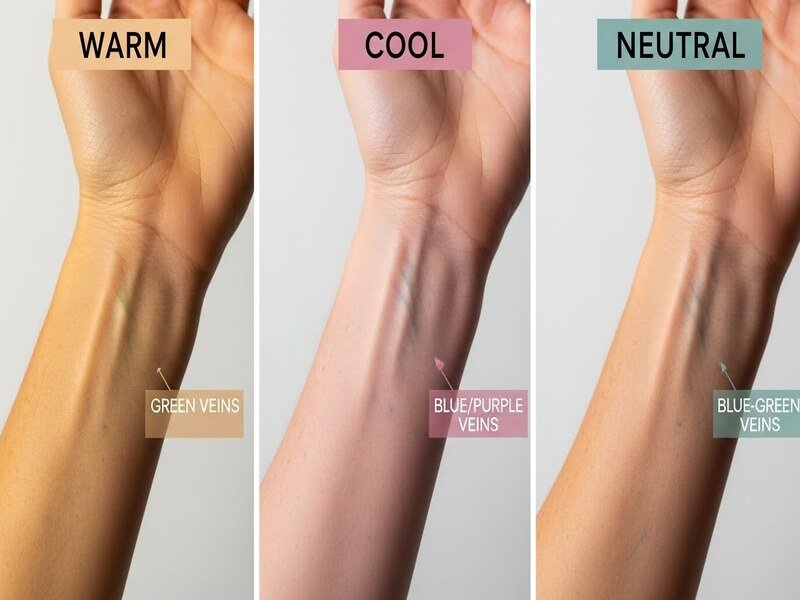
How to Tell If You Have a Warm Undertone
If you’re still questioning whether you truly have a warm undertone, don’t worry—most beginners are. There are a few simple ways to identify it.
A detailed, step-by-step method is covered in how to find your skin undertone – the ultimate guide for choosing makeup with confidence, but here’s a quick summary:
- Your veins look more green than blue
- Warm makeup shades feel more natural on you
- Earthy colors (peach, coral, bronze) suit you well
If most of these sound familiar, chances are you have a warm undertone.
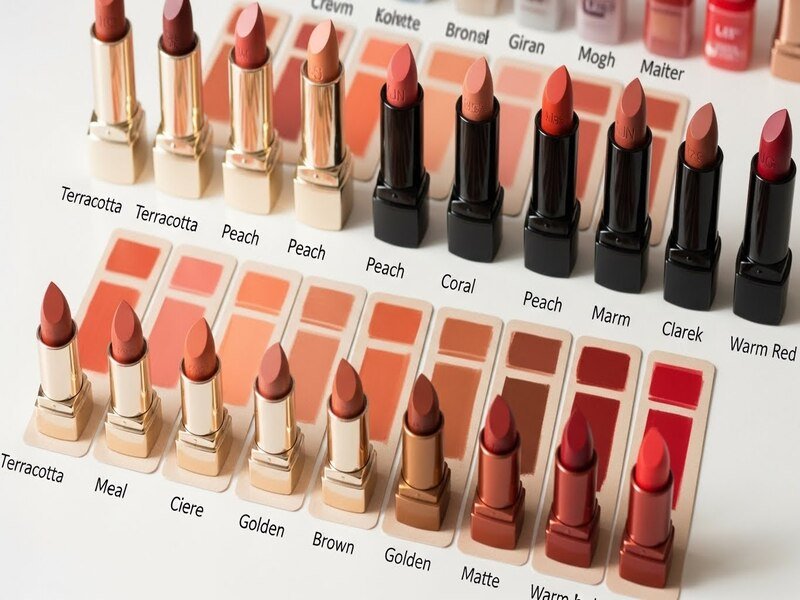
Best Lipstick Shades for Warm Undertones
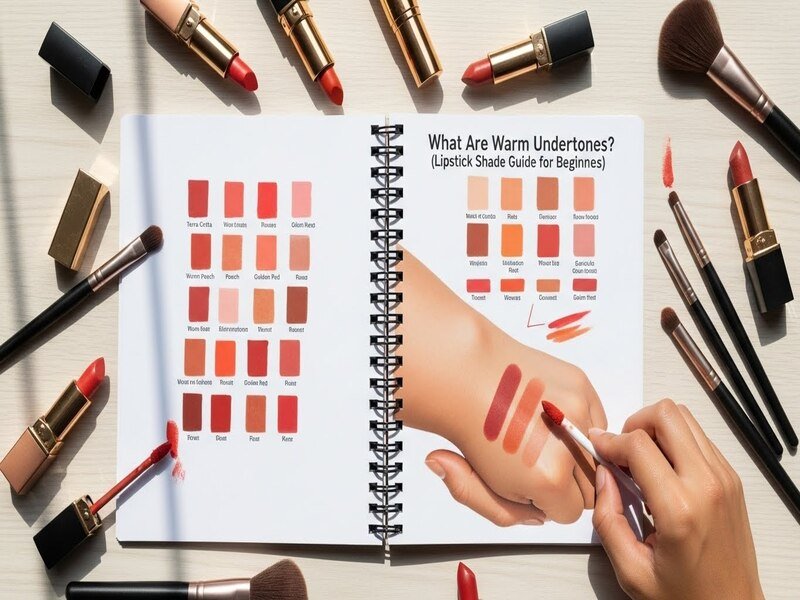
Once you know you have a warm undertone, choosing lipstick shades becomes much easier. Warm undertones pair best with shades that echo that golden or peachy base.
Shades That Flatter Warm Undertones
- Peachy nudes
- Coral pinks
- Warm reds (brick, tomato red)
- Terracotta and cinnamon tones
These shades blend seamlessly with warm undertones instead of sitting harshly on top of the skin.
If you’re curious about what different lipstick colors represent, lipstick shades & their meanings is a great reference.
Shades to Be Careful With
This doesn’t mean warm undertone skin can’t wear cool shades—but some need extra balance.
Shades to approach carefully:
- Blue-based pinks
- Icy mauves
- Cool-toned purples
They can sometimes make warm undertone skin look dull or gray unless paired with the right makeup look.
Lipstick Finishes Matter Too
Undertone isn’t the only factor. The finish of your lipstick also affects how a shade appears.
For beginners, understanding finishes is just as important as color. Lipstick finishes explained breaks down how matte, satin, glossy, and creamy finishes change the final look.
For warm undertones:
- Creamy and satin finishes enhance warmth
- Glossy finishes amplify peachy tones
- Matte finishes work best in warm reds and terracotta shades
Choosing the Right Lipstick Type as a Beginner
If you’re just starting out, don’t overwhelm yourself with too many formulas. Focus on understanding types first. A helpful overview is types of lipstick explained.
For warm undertone beginners:
- Start with creamy or satin lipsticks
- Avoid overly cool matte formulas at first
- Build your collection gradually
This approach makes learning shades less intimidating.
Common Mistakes Warm Undertone Beginners Make
One of the most common mistakes is assuming that “nude” works for everyone. Nude shades vary greatly, and for a warm undertone, beige or peach-based nudes usually work better than grayish ones.
Another mistake is ignoring undertones completely and focusing only on trends. Trends change, but your undertone doesn’t.
Why Warm Undertones Often Look “Healthier” in Makeup
Many people notice that warm undertone makeup gives a naturally healthy glow. That’s because warm tones reflect light in a way that mimics natural warmth in the skin.
When lipstick matches your undertone:
- Skin looks brighter
- Makeup looks blended, not layered
- You need less correction elsewhere
This is why understanding warm undertones is foundational—not advanced knowledge.
Final Thoughts: Warm Undertones Made Simple
If you remember just one thing, let it be this: warm undertone is your natural guide, not a limitation. Once you understand it, lipstick choices stop being confusing and start feeling intuitive.
Instead of guessing, you’ll know why certain shades work—and why others don’t. That confidence shows every time you swipe on a lipstick that truly feels like you.