You buy a lipstick expecting a soft pink, rose, or nude—but the moment you apply it, it turns purple. Not plum, not berry… just oddly purple. If this has happened to you more than once, you’re not imagining things.
This is a very common issue for people with cool undertones, and it has less to do with bad formulas and more to do with how pigments react with your natural skin tone. Understanding why this happens is the key to finally choosing lipsticks that look the way they’re supposed to.
Let’s break down exactly why some lipsticks pull purple on cool undertones—and how to fix it for good.
Understanding Cool Undertones and Pigment Reaction
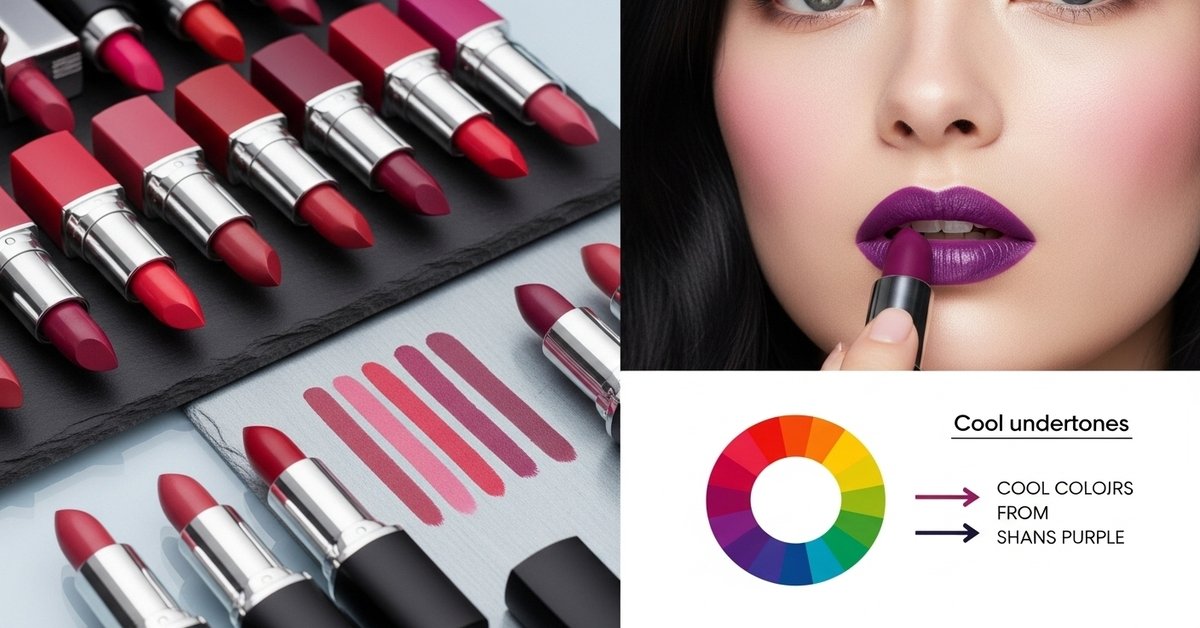
Cool undertones naturally have pink, red, or blue hues beneath the skin. When lipstick pigments interact with this base, they can shift dramatically.
This is why two people can wear the exact same lipstick shade and get completely different results. If you’re unsure how undertones differ, this explanation of warm vs cool undertones clearly shows why cool-toned skin behaves differently with makeup pigments.
For cool undertones, anything with hidden blue, violet, or gray pigments is more likely to intensify—and sometimes overpower—the original shade.
Why Lipsticks Turn Purple on Cool Undertones
There isn’t just one reason. It’s usually a combination of factors working together.
1. Blue-Based Pigments Get Amplified
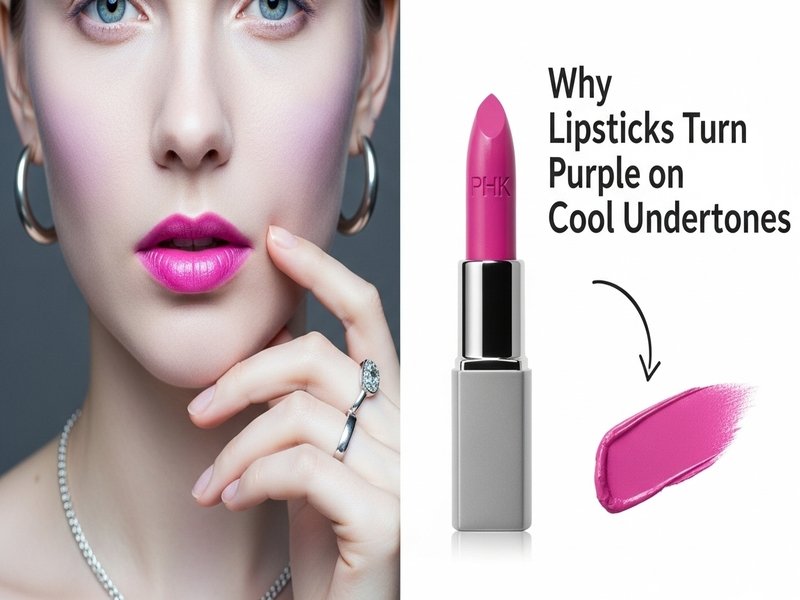
Many lipsticks marketed as “pink,” “rose,” or even “nude” contain blue or violet bases to balance warmth. On neutral or warm skin, these pigments stay subtle.
On cool undertones, those same pigments get amplified.
Result:
A soft pink suddenly looks lavender or purple once applied.
2. Warmth Gets Cancelled Out
Cool undertones naturally neutralize warmth. If a lipstick relies on peach or beige warmth to stay balanced, your skin can cancel that warmth entirely.
Result:
The remaining pigments lean blue or gray, creating a purple cast.
This is especially common with nude shades that aren’t designed specifically for cool undertones.
3. Lip Pigmentation Plays a Role
Naturally pigmented lips—especially lips with mauve or purple tones—can shift lipstick colors even more on cool undertones.
If your lips already have a cooler base, layering a blue-based lipstick on top will exaggerate that effect.
4. Lighting vs Real Life
Lipsticks often look warm under store lighting or online photos. In natural daylight, cool undertones reveal the true pigment balance.
This explains why a shade looks fine at first—and then turns purple once you step outside.
Shades Most Likely to Turn Purple on Cool Undertones
Not all lipsticks behave the same way. These categories are the most problematic.
❌ Pale Pink Nudes
Light pink nudes often contain blue or gray pigments to prevent them from looking orange.
On cool undertones, those pigments dominate.
Result: Chalky lavender lips.
For better alternatives, compare them with true cool-safe nudes in Best Nude Lipsticks for Cool Undertones.
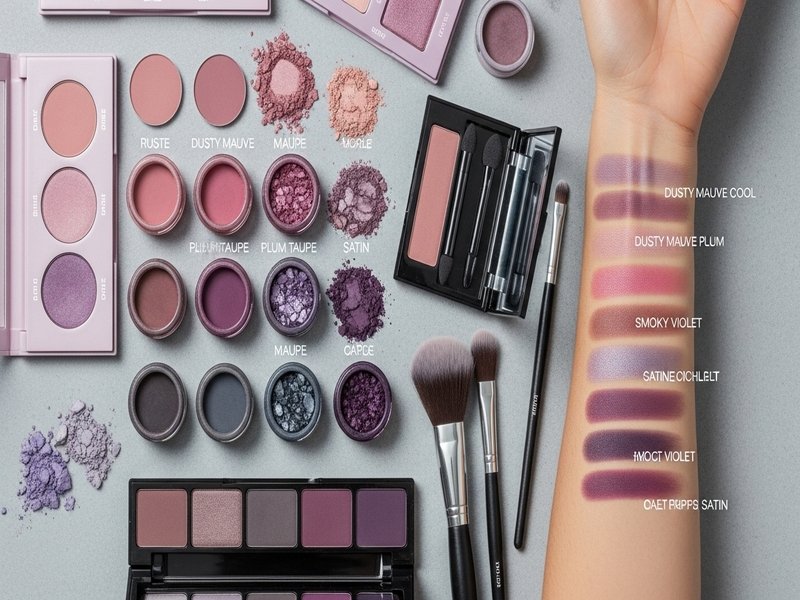
❌ Mauve & Dusty Rose Shades
Mauve is already close to purple on the color wheel. On cool undertones, it can cross that line easily.
Result:
Instead of soft rose, you get a dull purple tint.
❌ Cool Beige or Gray-Based Nudes
Some “neutral” nudes lean gray to cancel warmth. On cool undertones, gray + blue = purple.
These shades often make lips look lifeless or bruised.
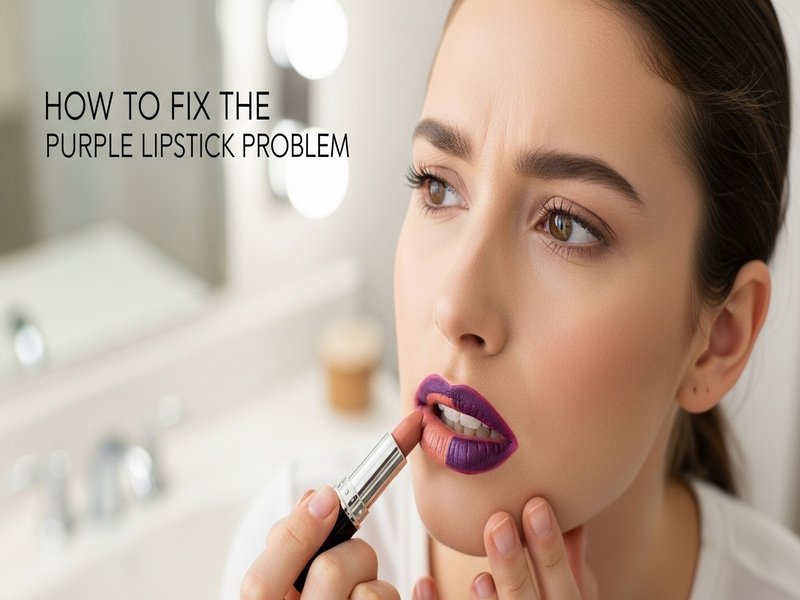
How to Fix the Purple Lipstick Problem
The good news? You don’t need to avoid lipstick—you just need smarter choices.
1. Choose Balanced Cool Shades (Not Ultra-Cool)
There’s a difference between cool and too cool.
Look for:
- Cool pinks with a hint of warmth
- Rose shades labeled “neutral-cool”
- Blue-based reds instead of mauves
Great examples can be seen in Best Pink Lipstick for Cool Undertones.
2. Avoid Gray-Based Formulas
If a lipstick description includes words like:
- Dusty
- Smoky
- Muted
- Gray-beige
…it’s more likely to pull purple on cool undertones.
3. Prep Lips with a Neutral Base
Your natural lip color matters.
Fix:
Apply a thin layer of concealer or neutral lip liner before lipstick. This creates a blank canvas and prevents undertone exaggeration.
4. Choose the Right Finish
Finish affects how pigments show up.
- Matte lipsticks: Show true pigment—good or bad
- Cream finishes: Can soften purple tones if balanced
- Glossy finishes: Reflect light and reduce harsh undertones
For formulas that stay flattering, check Best Cream Lipsticks for Cool Undertones and Best Glossy Lipsticks for Cool Undertones.
5. Compare Against Known “Safe” Shades
If you already own a lipstick that looks perfect on you, compare new shades against it in daylight. If the new shade looks grayer or bluer in comparison, it’s likely to pull purple.
Best Lipstick Categories That Don’t Turn Purple on Cool Undertones
Instead of fighting the issue, lean into shades that naturally harmonize with cool skin.
✔ Blue-Based Reds
These enhance cool undertones without turning purple. They stay red.
See examples in Best Red Lipsticks for Cool Undertones.
✔ True Cool Berries & Plums
When berry shades are intentionally cool—not brown-based—they look rich and elegant instead of bruised.
Reference Best Berry & Plum Lipsticks for Cool Undertones.
✔ Balanced Cool Pinks
These shades brighten the face instead of overpowering it.
Why This Happens More to Cool Undertones Than Warm Ones
Warm undertones absorb blue pigments and emphasize warmth. Cool undertones do the opposite—they enhance blue.
That’s why purple-shift issues are far more common for cool-toned people. Once you accept this behavior, lipstick shopping becomes predictable instead of frustrating.
If Lipsticks Always Look Wrong on You
If most lipsticks:
- Turn purple
- Look gray
- Make your skin look dull
Double-check your undertone first. Many people misidentify their undertone, which leads to constant mismatch.
Confirm it clearly using Do You Have Cool Undertones?. This step alone fixes most lipstick problems.
Final Thoughts on Cool Undertones & Purple Lipsticks
Lipsticks don’t randomly turn purple—your undertone is doing exactly what it’s designed to do.
For cool undertones, blue-based pigments are powerful. When balanced correctly, they create stunning results. When ignored, they shift shades into unflattering territory.
Once you choose lipsticks designed with cool undertones in mind, purple surprises disappear—and your lipstick finally looks like what you paid for.
FAQs
1. Why do pink lipsticks look purple on me?
Because cool undertones amplify blue pigments in pink shades.
2. Are mauve lipsticks bad for cool undertones?
Not always, but muted or gray-based mauves often turn purple.
3. Can lip liner prevent purple shifting?
Yes, using a neutral liner or concealer base helps control pigment reaction.
4. Do matte lipsticks make the problem worse?
Matte finishes show true pigment more clearly, so imbalance becomes obvious.
5. What lipstick shades are safest for cool undertones?
Blue-based reds, balanced cool pinks, and true berry tones.
Related Articles
- Warm vs Cool Undertones
- Do You Have Cool Undertones?
- Best Nude Lipsticks for Cool Undertones
- Best Pink Lipstick for Cool Undertones
- Best Red Lipsticks for Cool Undertones
- Best Berry & Plum Lipsticks for Cool Undertones
- Best Cream Lipsticks for Cool Undertones
- Best Glossy Lipsticks for Cool Undertones