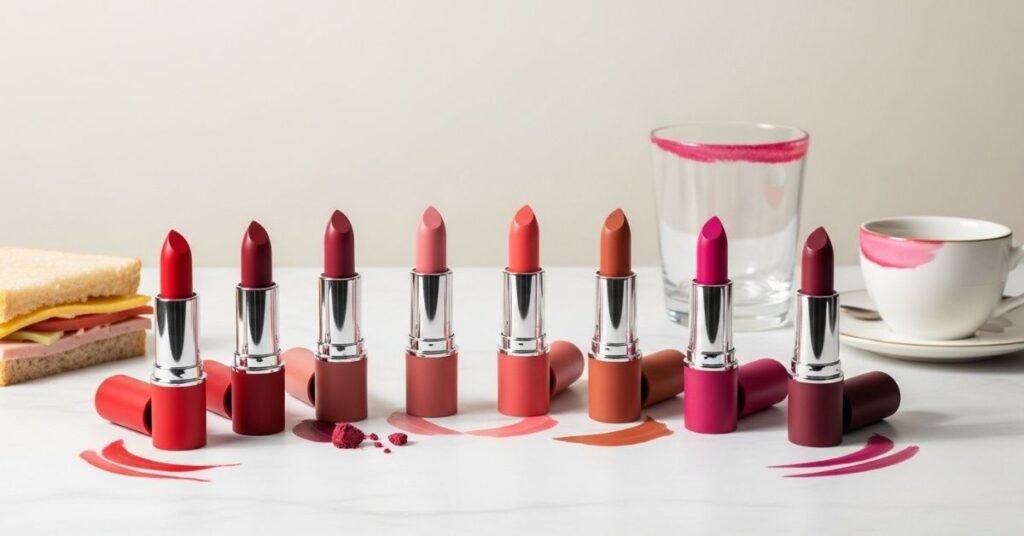
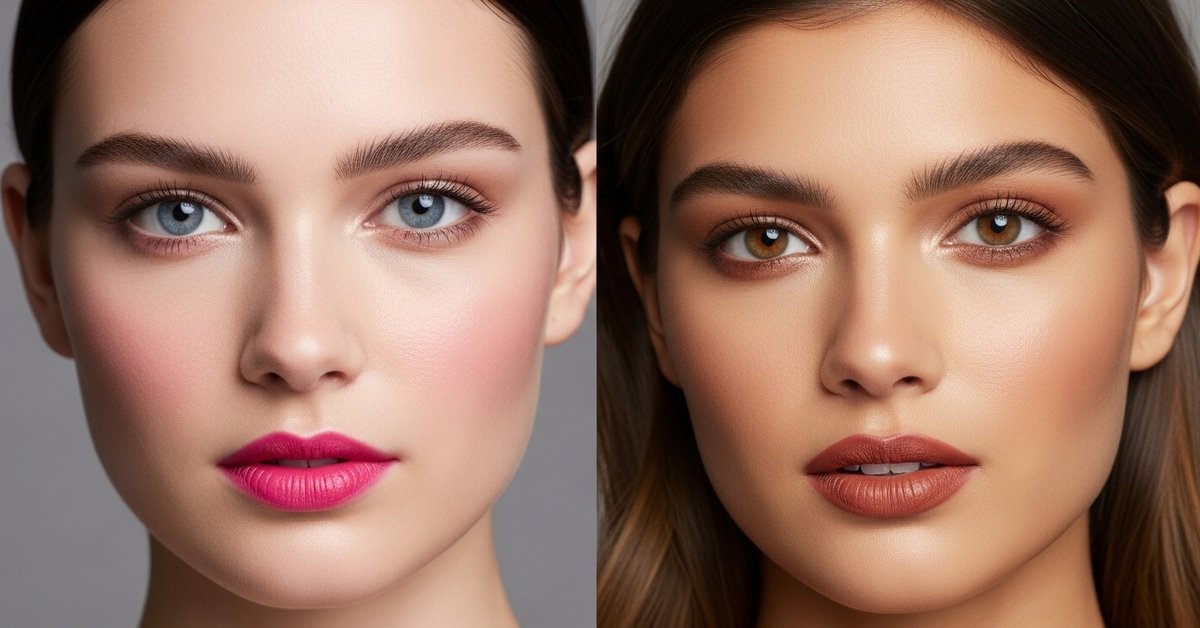
Have you ever tried a lipstick that looked stunning in the tube—but completely off on your lips? Maybe a nude looked gray, a red felt too orange, or a pink turned purple. These issues almost always come down to one thing: Cool vs Warm Undertones.
Understanding undertones is the foundation of choosing flattering lipstick shades. When your undertone and lipstick shade are in harmony, makeup looks effortless. When they clash, even the most expensive lipstick can look wrong.
In this guide, we’ll break down Cool vs Warm Undertones with clear lipstick shade comparisons, practical tips, and common mistakes—so you can finally choose shades that work with your skin, not against it.
This comparison is part of our Lipstick Comparisons series, designed to help you choose the right prep methods before applying lipstick.
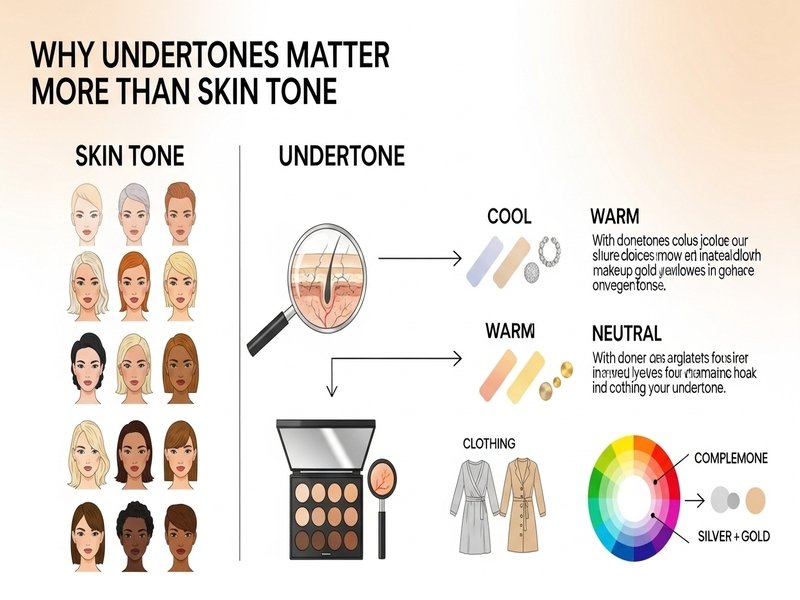
Why Undertones Matter More Than Skin Tone
Many people confuse skin tone (fair, medium, deep) with undertone—but they’re completely different.
Your undertone is the subtle hue beneath your skin that doesn’t change, even if you tan or lighten. Lipstick pigments react directly with this undertone, which is why the same shade can look totally different on two people.
This is exactly why understanding Cool vs Warm Undertones is more important than following generic “best lipstick” lists.
For a deeper breakdown, this guide on warm vs cool undertones explains how undertones affect makeup behavior overall.
First: How to Identify Your Undertone
Before comparing lipstick shades, you need to know where you fall.
Signs of Cool Undertones
- Silver jewelry looks better than gold
- Blue-based reds flatter you more
- Peach or coral shades look off
- Lipsticks often pull purple or gray
If you’re unsure, confirm it here: Do You Have Cool Undertones?
Signs of Warm Undertones
- Gold jewelry looks better
- Orange-reds and corals flatter you
- Cool pinks look dull or harsh
- Lipsticks rarely turn purple
Once this is clear, lipstick choices become predictable instead of confusing.
Cool vs Warm Undertones: Lipstick Shade Comparison
Let’s compare how popular lipstick shades behave on each undertone.
Nude Lipsticks
| Shade Type | Cool Undertones | Warm Undertones |
|---|---|---|
| Pink Nude | Fresh, balanced | Can look chalky |
| Beige Nude | May turn gray | Looks creamy |
| Peach Nude | Often clashes | Very flattering |
For cool-toned skin, nudes need a pink or rose base. Beige-heavy nudes tend to wash you out. This is why guides like Best Nude Lipsticks for Cool Undertones focus on cool-balanced formulas.
Pink Lipsticks
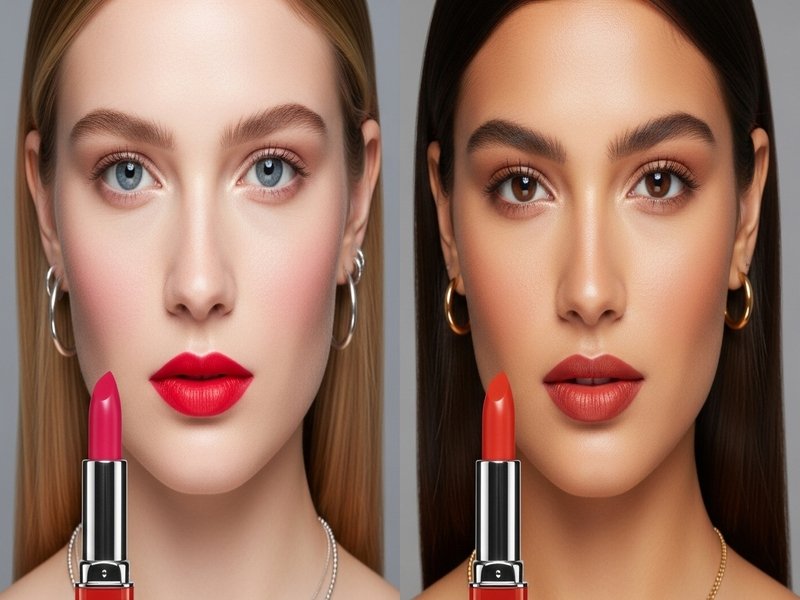
Pink is where Cool vs Warm Undertones really show contrast.
- Cool undertones:
Blue-pinks, rose pinks, and berry-pinks look bright and clean. - Warm undertones:
Coral-pinks and peach-pinks blend seamlessly.
Wearing the wrong pink can make skin look dull or overly flushed. If pinks often look purple on you, that’s a classic cool-undertone reaction. See flattering options in Best Pink Lipstick for Cool Undertones.
Red Lipsticks
Red lipstick is the easiest way to understand undertone contrast.
- Cool undertones:
Blue-based reds = crisp, elegant, timeless. - Warm undertones:
Orange or brick reds = glowing and vibrant.
When cool-toned skin wears warm reds, the lips often look orange or clash with the complexion. That’s why Best Red Lipsticks for Cool Undertones focuses on true blue-reds.
Berry & Plum Lipsticks
These shades are bold—and unforgiving.
- Cool undertones:
Cool berries and wine plums look refined. - Warm undertones:
Brown-plums and reddish berries look softer.
If berry shades ever felt “too dark” on you, undertone mismatch was likely the cause. Properly balanced options are covered in Best Berry & Plum Lipsticks for Cool Undertones.
Why the Same Lipstick Looks Different on Cool vs Warm Undertones
Lipstick pigments don’t sit on the skin—they interact with it.
- Cool undertones amplify blue, violet, and pink pigments
- Warm undertones enhance yellow, peach, and orange pigments
That’s why:
- Pinks can turn purple on cool undertones
- Reds can turn orange on warm undertones
- Nudes can turn gray or muddy when undertone harmony is missing
This interaction is why shade names alone are unreliable.
Finish Matters—But Undertone Comes First
Finish changes how a color appears, but it won’t fix a wrong undertone.
Matte Lipsticks
- Show true pigment clearly
- Undertone mismatch is very noticeable
See undertone-safe options in Best Matte Lipsticks for Cool Undertones.
Cream Lipsticks
- Soften color intensity
- More forgiving for cool undertones
Balanced picks are covered in Best Cream Lipsticks for Cool Undertones.
Glossy Lipsticks
- Reflect light
- Reduce harsh undertone contrast
Explore flattering formulas in Best Glossy Lipsticks for Cool Undertones.
Common Lipstick Mistakes in Cool vs Warm Undertones
❌ Choosing Based on Skin Tone Alone
Fair skin can be warm. Deep skin can be cool. Undertone always wins.
❌ Trusting Tube Color Only
Always test in natural light.
❌ Assuming “Neutral” Works for Everyone
Many neutrals lean warm or cool underneath.
Understanding Cool vs Warm Undertones eliminates all three mistakes instantly.
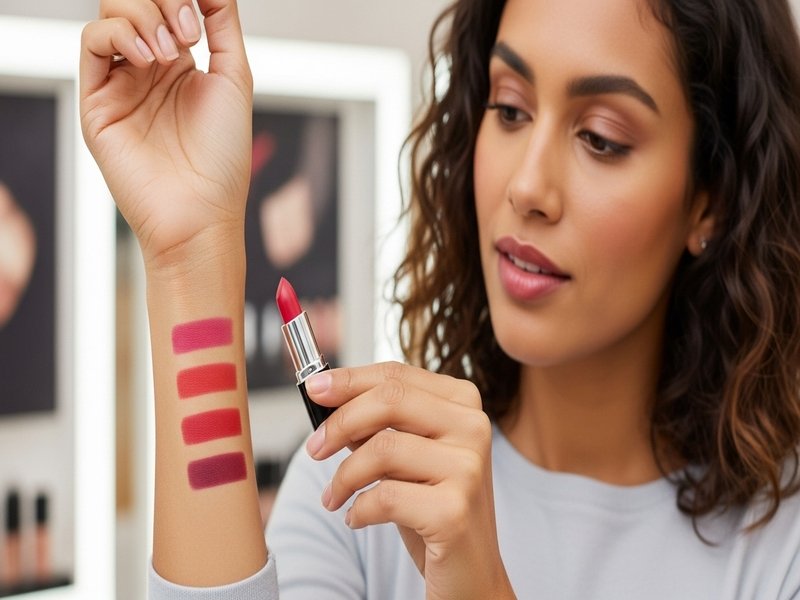
How to Test Lipstick Shades Correctly
Use this quick method:
- Test on lips, not hands
- Check in daylight
- Compare with a shade you already love
- Look for harmony, not contrast
If the shade enhances your skin without overpowering it, your undertone match is right.
Building a Lipstick Wardrobe Based on Undertones
Instead of random shades, build categories:
- One everyday nude
- One soft pink
- One bold red
- One deep berry or plum
When each shade suits your undertone, your entire collection works together effortlessly.
Final Verdict: Cool vs Warm Undertones in Lipstick
The difference between good lipstick days and bad ones isn’t price or brand—it’s undertone compatibility.
Understanding Cool vs Warm Undertones allows you to:
- Avoid wasted purchases
- Predict how shades will look
- Build a flattering, intentional lipstick collection
Once undertone harmony is achieved, lipstick stops being a gamble and starts being reliable.
FAQs
1. Can I wear both cool and warm lipsticks?
Yes, but undertone-balanced shades will always look better.
2. Why do nudes look gray on me?
Gray usually appears on cool undertones when beige-heavy nudes are used.
3. Are matte lipsticks bad for cool undertones?
No, but they reveal undertone mismatch more clearly.
4. Can undertone change over time?
No, undertone remains constant even if skin tone changes.
5. What’s the fastest way to fix lipstick mistakes?
Identify undertone first, then choose shades designed for it.
Related Articles
- Warm vs Cool Undertones
- Do You Have Cool Undertones?
- Best Nude Lipsticks for Cool Undertones
- Best Pink Lipstick for Cool Undertones
- Best Red Lipsticks for Cool Undertones
- Best Berry & Plum Lipsticks for Cool Undertones
- Best Matte Lipsticks for Cool Undertones
- Best Cream Lipsticks for Cool Undertones
- Best Glossy Lipsticks for Cool Undertones