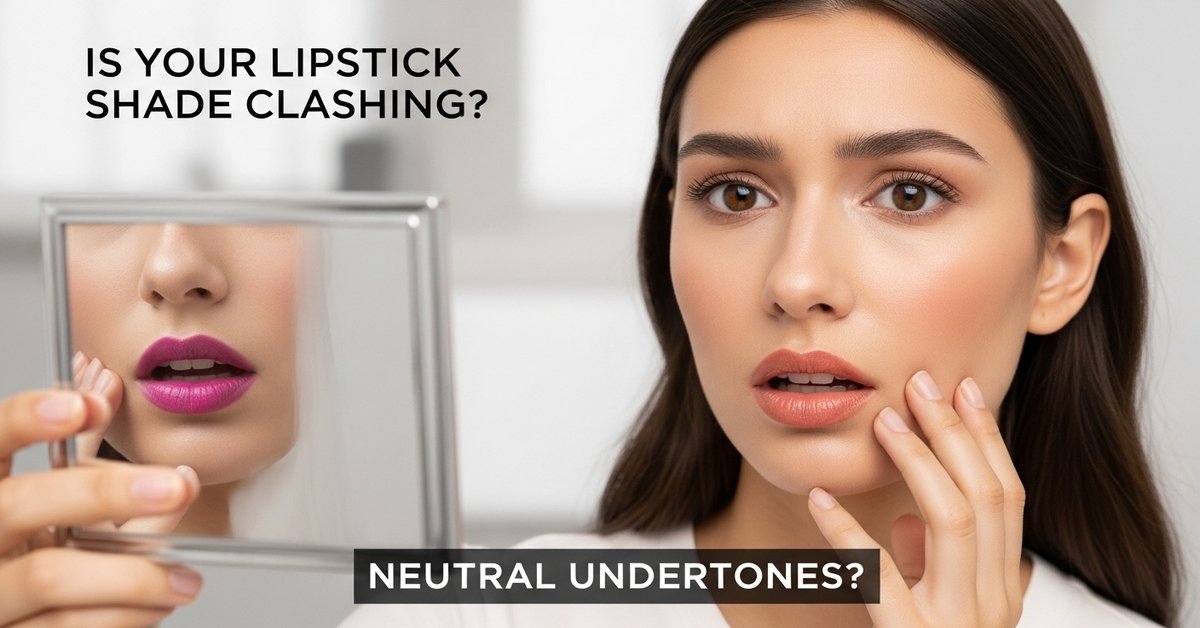
Have you ever applied a lipstick and instantly felt like something was off—but couldn’t explain why? The shade isn’t bad. The formula feels fine. Yet on your face, it just doesn’t click.
If you’ve ever wondered “Is my lipstick shade clashing with my skin?” or “Why does my lipstick look different on me?”, neutral undertones are often the hidden reason. People with Neutral Undertones sit in a tricky middle ground—able to wear both warm and cool tones, but only when the balance is right. When that balance is even slightly off, lipstick shades can look dull, heavy, or completely disconnected from the rest of the face.
That’s why so many people with neutral skin tones struggle to answer questions like “What lipstick for neutral undertones actually works?” or “Should your lipstick match your undertone?” The issue usually isn’t lipstick itself—it’s unknowingly choosing shades that fight against neutral undertones instead of complementing them.
In this guide, we’ll break down why certain lipstick shades clash with neutral undertones, how to recognize the warning signs, which colors neutral skin tones should avoid, and how to finally choose lipsticks that look natural, flattering, and intentional every single time.
What Lipstick for Neutral Undertones Actually Works?
Have you ever wondered why one lipstick looks amazing in the mirror at the store—but strange once you step outside? Or why a shade that flatters your friend does nothing for you?
If you’re asking questions like “Should your lipstick match your undertone?” or “What color goes best with neutral undertones?”, the answer usually starts with understanding Neutral Undertones.
Neutral skin tones sit in a delicate balance. They don’t strongly pull warm or cool, which sounds ideal—but it also means lipstick mistakes show up faster. A slightly off shade can clash instantly, making lips look dull, heavy, or disconnected from the face.
This guide breaks down how to recognize neutral undertones, how to choose lipstick shades that actually work, and which colors neutral skin tones should avoid.
What Are Neutral Undertones? (And Why They’re Often Misunderstood)
People with Neutral Undertones have a mix of warm and cool pigments in their skin. That balance allows flexibility—but only within limits.
Unlike strongly warm or cool skin, neutral undertones:
- Can wear both silver and gold jewelry
- Don’t look overly yellow or pink
- React badly to extreme shades
If you’re unsure where you fall, this comparison guide on warm vs cool undertones helps clarify the difference, while do you have neutral undertones walks through the signs step by step.
What Are the Signs of a Truly Neutral Undertone?
You likely have neutral undertones if:
- Lipsticks look different on you than expected
- Very warm shades look too yellow or orange
- Very cool shades look purple or gray
- Balanced shades look best, even if subtle
This is why many people with neutral skin ask, “Why does my lipstick look different on me?” It’s not the formula—it’s the undertone interaction.
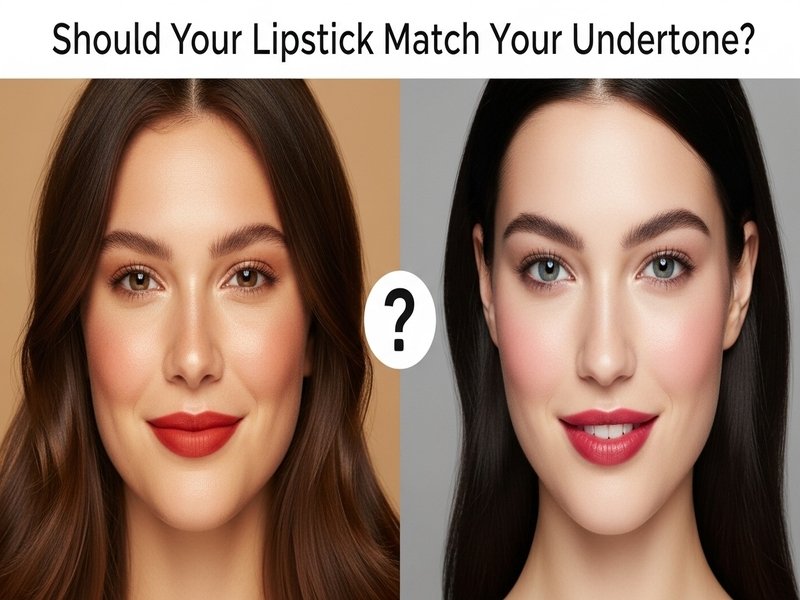
Should Your Lipstick Match Your Undertone?
Yes—undertone harmony matters more than shade depth.
For Neutral Undertones, the goal isn’t matching warmth or coolness. It’s avoiding extremes. When a lipstick leans too far in either direction, it disrupts balance and makes the shade feel “off.”
This is why neutral undertones often struggle with trend-driven shades that work beautifully on others.
What Color Goes Best With Neutral Undertones?
The most flattering colors for neutral undertones are balanced, middle-ground shades.
Best-performing color families include:
- Soft rose
- Neutral pink
- Muted berry
- True red (not orange, not blue-heavy)
You’ll notice these shades don’t overpower the face. They blend naturally—something explained in detail in what are the best lipstick shades for neutral undertones.
How Do I Choose My Lipstick Shade According to My Skin Tone?
Here’s a simple test for neutral undertones:
- Look at the shade in natural daylight
- Apply lightly—don’t build immediately
- Ask: does this shade blend or sit on top?
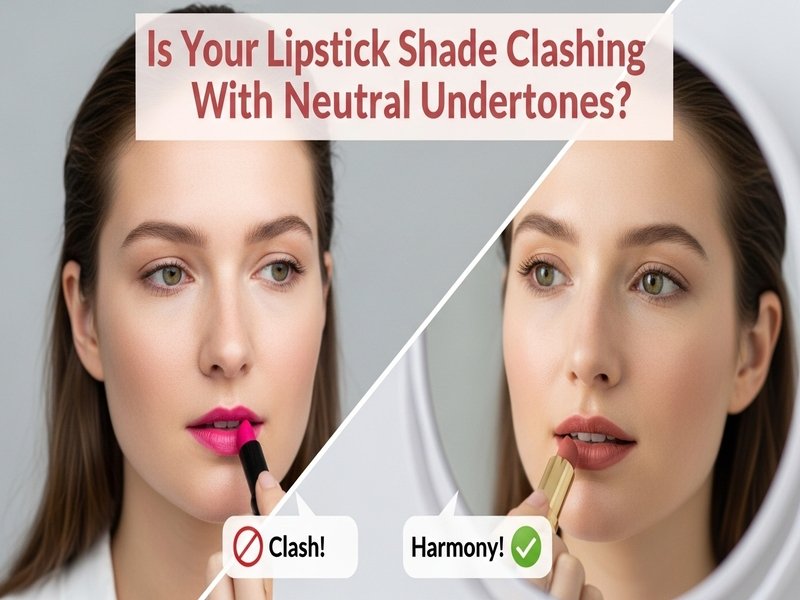
If it blends seamlessly, it’s neutral-friendly. If it looks heavy, gray, or overly bright, it’s likely clashing with your undertone.
What Colors Should Neutral Skin Tones Avoid?
This is where most mistakes happen.
Neutral undertones should be cautious with:
- ❌ Neon coral or orange shades
- ❌ Gray or ash-based nudes
- ❌ Purple-heavy pinks
- ❌ Brown-dominant brick reds
These fall under common lipstick mistakes for neutral undertones, often making lips look dull or aged.
The Role of Finish: Matte vs Cream vs Gloss
Finish can either soften or exaggerate undertone mismatch.
| Finish | Effect on Neutral Undertones |
|---|---|
| Matte | Intensifies wrong shades |
| Cream | Highlights undertone imbalance |
| Gloss | Reflects undertone instantly |
That’s why shade selection matters even more when choosing formulas like those discussed in best matte lipsticks for neutral undertones and best cream lipsticks for neutral undertones.
Which Lipstick Shades Actually Flatter Neutral Undertones?
Let’s break it down by color family:
Nude Lipsticks
Balanced beige-rose nudes work best. Avoid gray or overly peach tones. See real examples in best nude lipsticks for neutral undertones.
Pink Lipsticks
Soft, neutral pinks flatter most. Bubblegum or lavender pinks often clash. More details in best pink lipstick for neutral undertones.
Red Lipsticks
True reds—neither orange nor blue—are safest. Explore them in best red lipsticks for neutral undertones.
Berry & Plum Shades
Muted berries work better than dark plums. See guidance in best berry & plum lipsticks for neutral undertones.
Why Does My Lipstick Look “Wrong” Even When It’s Popular?
Trends aren’t undertone-specific.
A viral lipstick might be perfect—for warm or cool undertones. On neutral undertones, the same shade can feel overpowering or flat.
That’s why neutral undertones benefit more from undertone education than trend following.
Final Thoughts: Is Your Lipstick Shade Clashing With Neutral Undertones?
If lipstick often feels unpredictable, the issue isn’t your lips—it’s undertone balance.
Once you understand Neutral Undertones, choosing lipstick becomes easier, faster, and far more consistent. Balanced shades enhance your natural features instead of fighting them.
FAQs
What lipstick is best for neutral undertones?
Balanced pinks, soft berries, neutral nudes, and true reds.
Why does my lipstick look different on me?
Because undertone mismatch alters how pigment appears on your skin.
Should your lipstick match your undertone?
Yes—undertone harmony matters more than shade depth.
What colors should neutral skin tones avoid?
Neon corals, gray nudes, purple-heavy pinks, and brown reds.
How do I know if I have neutral undertones?
If extreme warm or cool shades look off, but balanced ones work, you’re likely neutral.