You can exfoliate, hydrate, blot, and still feel like your lipstick never fully behaves. It fades too fast, settles into lines, or looks uneven halfway through the day. If that sounds familiar, you’re probably missing one quiet but powerful step: lip priming.
The Lip Priming Technique Before Lipstick is what bridges the gap between lip prep and actual color application. It’s the step that helps lipstick grip better, wear longer, and feel smoother—especially with matte or long-wear formulas. Most people either skip it completely or use it incorrectly, which is why results feel inconsistent.
Let’s break down what lip priming really is, how to do it properly, and when it actually makes a difference.
This step is part of our complete How to Apply Lipstick guide, where we break down each technique that helps lipstick apply smoothly and last longer.
Why Lip Priming Matters More Than You Think
Lipstick doesn’t just sit on the lips—it interacts with texture, moisture levels, and movement. Without a primer, pigment absorbs unevenly or breaks down quickly.
The Lip Priming Technique Before Lipstick works by:
- Creating a smooth base
- Reducing fine lines and uneven texture
- Helping pigment adhere evenly
- Extending wear time without heaviness
This is especially important if you’ve struggled with issues explained in why lipstick doesn’t last long or apply evenly—because priming directly addresses those problems at the base level.
How to Prime Lips Before Lipstick (Step by Step)
If you’re wondering how to prime lips before lipstick, the process is simpler than most people think.
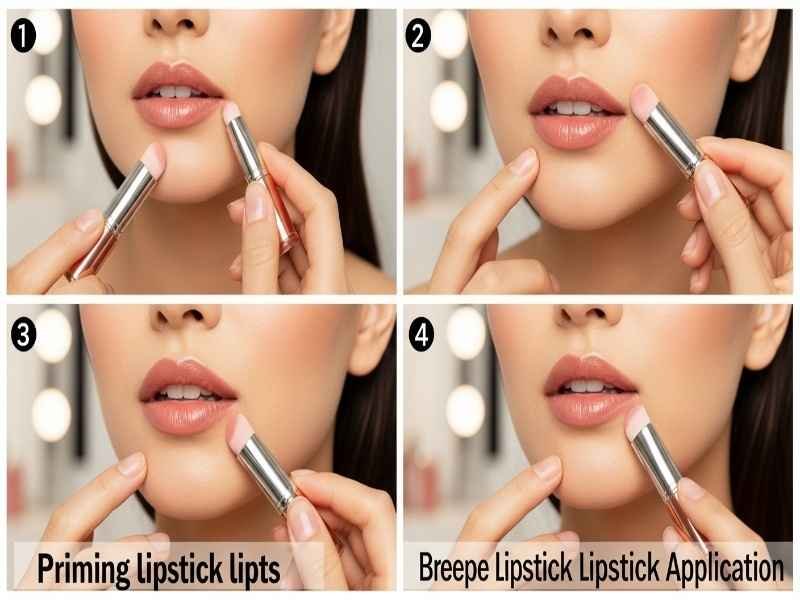
Correct lip priming method:
- Start with clean, dry lips
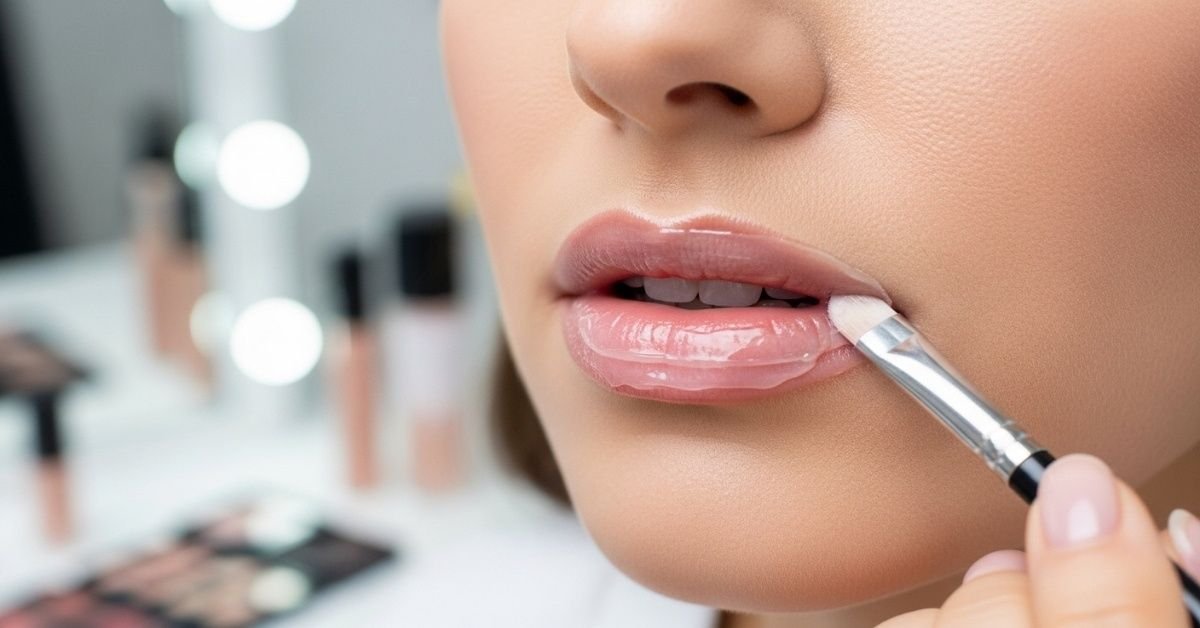
- Apply a thin layer of lip primer
- Let it set for 30–60 seconds
- Apply lipstick in light layers
This method ensures the Lip Priming Technique Before Lipstick improves wear without making lips feel dry or heavy.
What Should I Put on My Lips Before Lipstick?
This depends on your goal.
- For longevity: lip primer
- For comfort only: balm (blotted well)
- For matte lipstick: primer + proper hydration earlier
Using the wrong product right before lipstick is a common reason color slides or cracks.
Does Lip Primer Make Lipstick Last Longer?
Yes—when used correctly.
A lip primer fills micro-lines and creates a slightly tacky surface that grips pigment. This reduces feathering and fading, especially around the inner lip area. The Lip Priming Technique Before Lipstick doesn’t replace good prep, but it locks it in.
How to Prepare Lips for Long-Lasting Lipstick
Long-lasting lipstick isn’t about one product—it’s about sequence.
Ideal order:
- Exfoliate (if needed)
- Hydrate lips earlier
- Apply lip primer
- Apply lipstick
Skipping primer often means hydration and exfoliation don’t fully translate into better wear.
What Can I Use as a Lip Primer?
If you don’t have a dedicated lip primer, alternatives can work in a pinch—but with limits.
Common substitutes:
- A tiny amount of foundation or concealer
- Lip primer balms (hybrid products)
However, there’s a difference between priming and masking. A full comparison in lip primer vs concealer on lips explains why true lip primers usually perform better long-term.
How to Prep Your Lips for Matte Lipstick
Matte lipstick shows everything. That’s where the Lip Priming Technique Before Lipstick becomes non-negotiable.
For matte formulas:
- Hydrate lips well in advance
- Avoid slippery balm right before
- Apply primer thinly and evenly
This prevents cracking and uneven fading while keeping the matte finish intact.
What Are Common Primer Mistakes?
Many people try primer once and give up because of these mistakes:
- Applying too much primer
- Layering primer over fresh balm
- Not letting primer set
- Using face primer on lips
Primers are meant to be invisible helpers—not thick layers.
What Is the Best Lipstick Primer?
The best lip primer:
- Feels lightweight
- Smooths without drying
- Improves wear without changing color
Avoid primers that feel stiff or chalky—they can make lips uncomfortable.

Are There Disadvantages of Using a Primer?
Yes—when misused.
Possible downsides:
- Dryness if applied on dehydrated lips
- Texture buildup if layered too thick
- Reduced comfort if used daily without hydration
That’s why knowing when not to use primer matters.
When Not to Use Lip Primer
You can skip primer when:
- Wearing sheer or glossy lipstick
- Lips are already very dry or irritated
- You’re prioritizing comfort over longevity
The Lip Priming Technique Before Lipstick is a tool—not a rule for every look.
Is It Necessary to Apply Primer Before Makeup?
For lips, primer isn’t mandatory—but it’s strategic.
If you want:
- Longer wear
- Cleaner edges
- Smoother finish
Then primer becomes worth it, especially for bold or matte shades.
Should an Older Woman Wear Lip Primer?
Yes—with the right approach.
As lips mature, fine lines become more visible. A lightweight primer can:
- Smooth texture
- Prevent lipstick from settling into lines
- Improve comfort
The key is choosing a flexible, non-drying formula and pairing it with proper hydration.
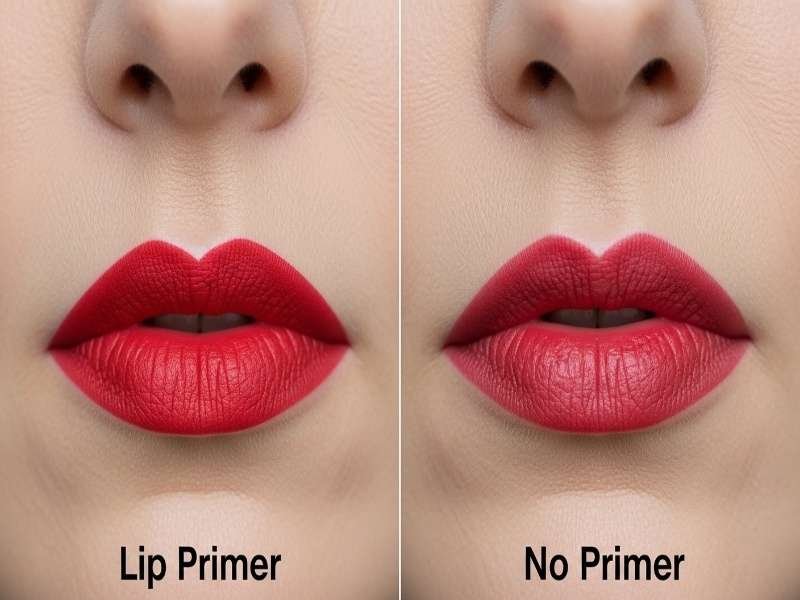
Lip Primer vs No Primer: The Real Difference
Without primer:
- Lipstick fades faster
- Color breaks unevenly
- Texture shows more
With primer:
- Pigment stays balanced
- Wear time improves
- Lips feel smoother under color
That’s the practical impact of the Lip Priming Technique Before Lipstick.
Final Thoughts: Is Lip Priming Worth It?
If you’ve ever felt like lipstick never lasts or never looks quite right, the issue probably isn’t the shade—it’s the missing step before it. The Lip Priming Technique Before Lipstick creates the foundation that lets color perform the way it’s meant to.
Used thoughtfully, primer doesn’t complicate your routine. It simplifies results.
❓ FAQs – Lip Priming Technique Before Lipstick
1. How to prime lips before lipstick?
Apply a thin layer of lip primer on clean, dry lips and let it set before lipstick.
2. Does lip primer make lipstick last longer?
Yes, it helps pigment grip better and fade more evenly.
3. What can I use as a lip primer if I don’t have one?
A tiny amount of concealer can work temporarily, but true lip primers perform better.
4. What are common primer mistakes?
Using too much, layering over balm, or skipping hydration beforehand.
5. When should I avoid using lip primer?
When lips are irritated, extremely dry, or when wearing glossy formulas.