If lipstick never looks the same on you as it does on others, pigmented lips are usually the reason. Darker lips absorb color differently, making lipstick appear deeper, duller, or uneven. That’s where the confusion starts: should you use a color corrector or concealer?
Many people apply concealer directly and hope for the best. Others experiment with color correctors and feel unsure if they’re doing it right. Understanding Color Corrector vs Concealer for Pigmented Lips isn’t about trends—it’s about fixing the base so lipstick finally shows its true shade.
This guide explains what each product actually does, which one works better, and how to use them correctly without cakiness or heaviness.
This comparison is part of our Lipstick Comparisons series, designed to help you choose the right prep methods before applying lipstick.
Why Pigmented Lips Need More Than Concealer
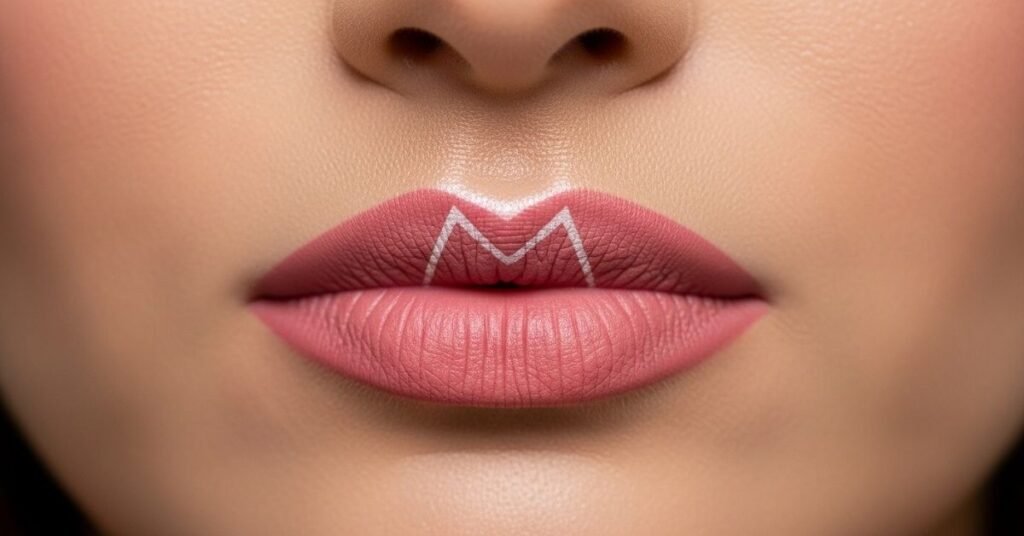
Pigmented lips aren’t just darker—they’re uneven in tone. Some areas (usually the upper lip or corners) are deeper, while others are lighter.
When lipstick is applied directly:
- Dark areas pull the color down
- Light areas reflect more pigment
- The shade looks inconsistent
This is exactly why lipstick looks dark on pigmented lips, even when the lipstick itself isn’t dark.
Concealer alone can’t fix this imbalance—it only covers, not neutralizes.
What Is a Color Corrector?
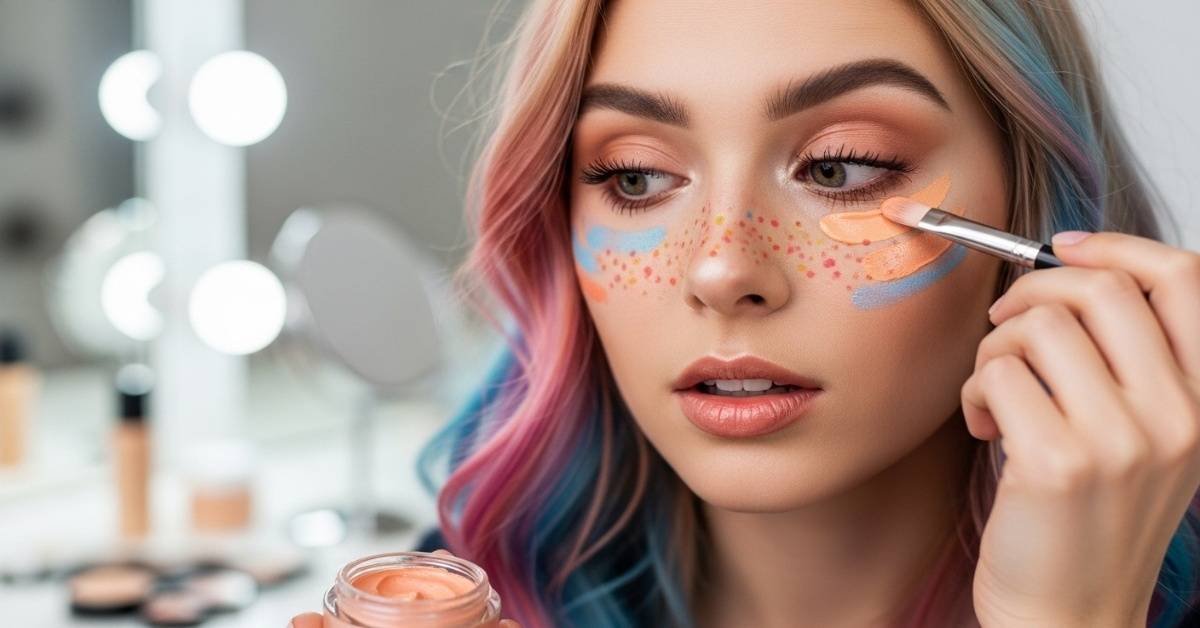
A color corrector uses color theory to neutralize darkness.
For pigmented lips:
- Peach or soft orange correctors cancel blue/grey undertones
- They balance darkness instead of masking it
Correctors don’t aim to look skin-toned. They aim to cancel out unwanted tones so lipstick sits evenly.
This is the foundation of proper color correction for pigmented lips.
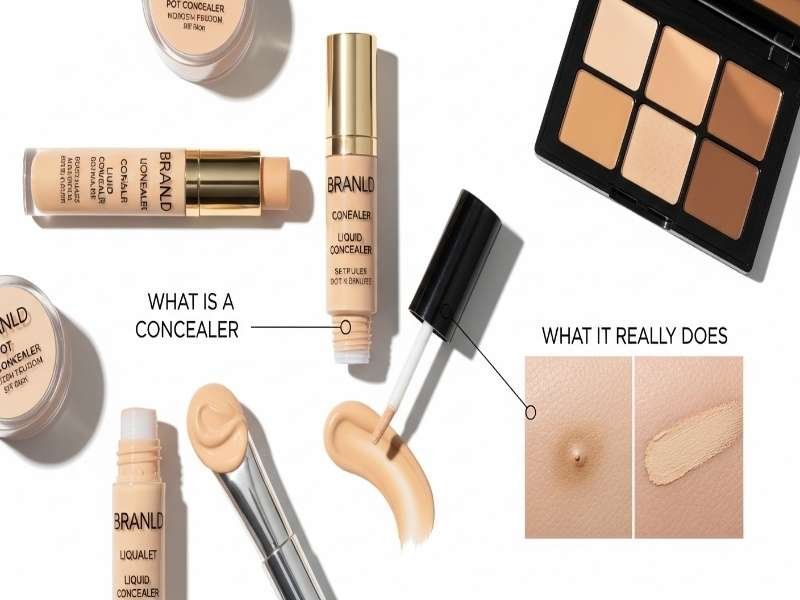
What Is a Concealer (and What It Really Does)?
Concealer is designed to:
- Cover discoloration
- Brighten areas
- Even out tone on skin
On lips, concealer:
- Lightens the surface
- Reduces contrast temporarily
But here’s the key limitation: concealer does not neutralize undertones. On pigmented lips, it often turns grey, ashy, or patchy when used alone.
Color Corrector vs Concealer for Pigmented Lips: The Core Difference
Let’s make it very clear:
- Color corrector neutralizes darkness
- Concealer covers and evens brightness
That’s why in the Color Corrector vs Concealer for Pigmented Lips debate, corrector addresses the cause, while concealer only treats the surface.
Is a Color Corrector or Concealer Better?
For pigmented lips, a color corrector works better as the first step.
Why?
- It balances undertones
- Prevents lipstick from turning dark
- Reduces the need for heavy layers
Concealer works best after correction—or not at all in some cases.
Can I Use a Color Corrector Without Concealer?
Yes—and in many cases, you should.
If:
- Pigmentation is mild to moderate
- You use a sheer or cream lipstick
A small amount of corrector alone is often enough. Adding concealer unnecessarily can make lips look flat or dry.
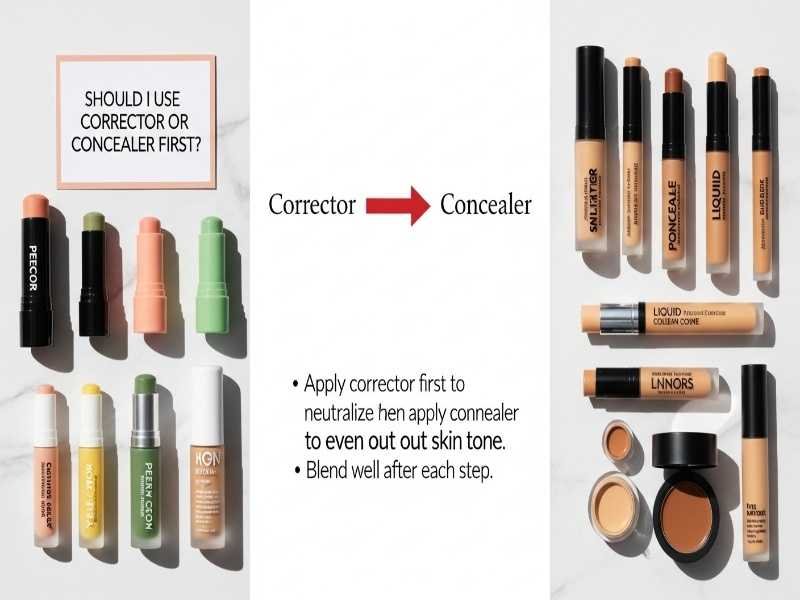
Should I Use Corrector or Concealer First?
Always corrector first.
Correct order:
- Lip prep (hydration, blot excess)
- Color corrector (only on dark areas)
- Optional: thin layer of concealer
- Lipstick
Reversing this order is a common mistake that leads to patchiness.
Can You Use Concealer as a Color Corrector?
No.
Concealer and corrector serve different purposes. Concealer lacks the warm pigment needed to cancel darkness. Using concealer alone is one reason lipstick still looks dark or grey afterward.
Which Color Corrector Is Best for Hyperpigmentation on Lips?
For most pigmented lips:
- Peach → light to medium pigmentation
- Soft orange → deeper pigmentation
Avoid bright orange unless pigmentation is very deep—it can alter lipstick color.
How to Use Color Corrector for Pigmented Lips
Here’s the simplest method:
- Apply a tiny amount only on dark areas
- Tap gently with a finger
- Blend edges softly
- Let it set for a few seconds
You’re not trying to “paint” lips orange—you’re neutralizing shadows.
How to Hide Lip Pigmentation with Makeup (Without Cakiness)
The secret is restraint.
- Spot-correct instead of full coverage
- Use thin layers
- Build lipstick gradually
Heavy application causes cracking and darkness to peek through later.
Which Concealer Is Best to Hide Pigmentation?
If you do use concealer:
- Choose one close to your skin tone
- Avoid very light shades
- Use a thin layer only after corrector
Bright concealers often turn lips grey.
Common Concealer Mistakes to Avoid on Lips
These mistakes make pigmentation worse:
- Using concealer alone
- Applying too much product
- Using matte, drying concealers
- Skipping hydration
These errors are why many people think concealer “doesn’t work” on lips.
What Fades Hyperpigmentation Fastest?
Makeup doesn’t fade pigmentation—it only covers it.
For long-term improvement:
- Sun protection for lips
- Hydration
- Avoid smoking
- Gentle care
For immediate even color, correction is still the fastest and safest solution.
What Do Koreans Use for Hyperpigmentation?
K-beauty focuses on:
- Gentle correction
- Thin layers
- Natural finishes
They often use light correctors with minimal concealer—never heavy coverage.
Which Product Is Truly Best for Pigmented Lips?
For makeup results:
👉 Color corrector first, concealer only if needed.
For care:
- Hydration
- SPF
- Gentle exfoliation
This balance gives both immediate and long-term improvement.
Why Lipstick Still Looks Dark After Concealer
If lipstick still turns dark after concealer, it’s because:
- Undertone wasn’t neutralized
- Pigmentation is bleeding through
- Concealer is too light or too thick
This is why understanding Color Corrector vs Concealer for Pigmented Lips saves time, money, and frustration.
Final Verdict: Color Corrector vs Concealer for Pigmented Lips
If you want lipstick to look true, even, and bright:
- Use a color corrector to neutralize
- Use concealer only to refine (if needed)
Concealer alone hides the problem. Corrector fixes it.
Once you correct the base properly, you’ll notice that every lipstick suddenly looks better—without changing shades or formulas.
❓ FAQs – Color Corrector vs Concealer for Pigmented Lips
Is a color corrector or concealer better?
Color corrector works better for pigmented lips.
Can I use a color corrector without concealer?
Yes, especially for mild pigmentation.
Which goes first, corrector or concealer?
Corrector always comes first.
Can concealer hide lip pigmentation?
Only partially—without neutralization, darkness shows through.
Which color corrector is best for hyperpigmentation?
Peach or soft orange tones work best.