Many women love the confidence that comes from applying lipstick. It completes the look, lifts the mood, and sometimes even becomes a part of your signature style. However, very few people stop to think whether their favorite shade is actually safe to use every day. In today’s beauty world, lipstick safety is just as important as choosing the right color. This guide will help you understand what goes inside your lip products, how to perform a basic lipstick safety test, which lipstick safety brands are more reliable, and how to avoid the long term side effects of lipstick. With the right knowledge, you’ll be able to make smarter, safer, and more confident beauty choices.
This beginner-friendly guide is part of our Lipstick Basics series, where we break down everything from what lipstick actually is to how it works, so you can build your knowledge step by step with confidence.
Why Lipstick Safety Matters More Than You Think
Every time you wear lipstick, a small amount gets absorbed or accidentally ingested. This makes lipstick safety a topic every woman should care about, especially if she wears lipstick daily. While most well-known brands follow strict safety rules, there are still products in the market that contain unsafe ingredients.
I once met a woman who loved dark red lipsticks. She wore them every single day for years. When she started experiencing dry, cracking lips, she thought it was the weather. But later she found out her favorite lipstick contained ingredients that didn’t suit her skin. Her story is a reminder that even small habits can affect long-term skin health.
What Ingredients Should You Check in a Lipstick
Understanding what goes inside lipstick is the first step toward safe beauty. Many lipsticks contain waxes, oils, pigments, and preservatives. While most ingredients are harmless, some raise concerns.
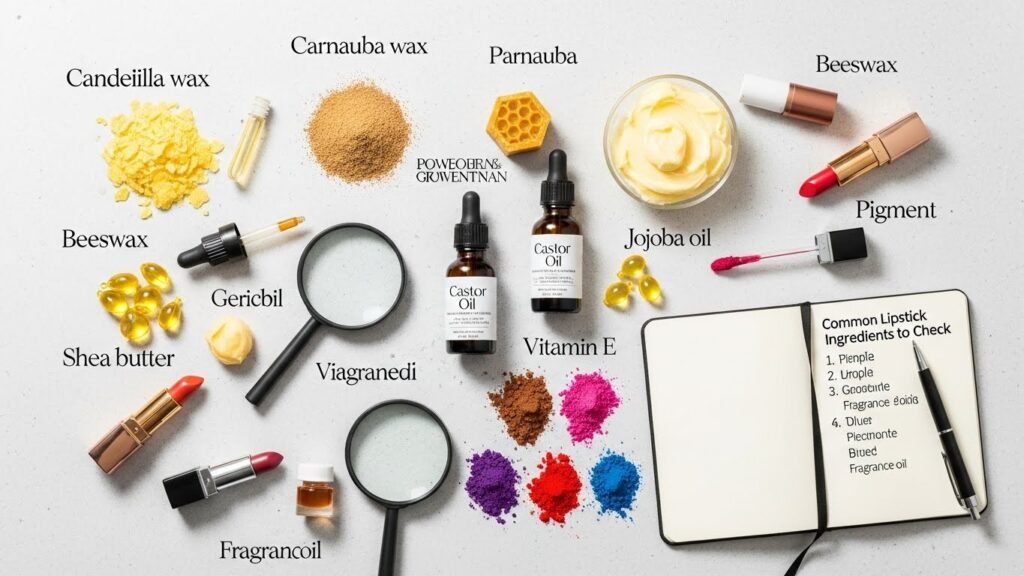
1. Heavy Metals
Heavy metals like lead, cadmium, and chromium may be present in very tiny amounts. Although they are not added intentionally, they sometimes appear due to contaminated raw materials. Always look for brands that mention testing or safety standards. Long-term exposure to increased heavy metals can cause irritation and other health concerns, making it important to choose wisely.
2. Parabens
Parabens help keep lipstick fresh for a long time. However, some people prefer paraben free lipstick because of sensitivity or personal preference. You can check the ingredient list for names ending in parabens like methylparaben or propylparaben.
3. Fragrance
Some lipsticks contain added fragrance to give a pleasant scent. While not harmful for most people, fragrance can bother those with sensitive skin. If you often face allergies or irritation, look for fragrance free lipstick or products with minimal scent.
How to Read a Lipstick Label the Right Way
Most people don’t read labels and simply choose shades based on color or brand. But learning how to decode a label can save you from future trouble.
Here’s a simple step by step guide to read your lipstick label correctly.
Step 1: Look at the Full Ingredients List
If the lipstick shows a complete list, it’s usually a good sign. Brands that share full transparency build trust and often follow industry rules.
Step 2: Identify Harmful Additives
Carefully look for words like heavy metals, excessive fragrance, or cheap preservatives. Choosing lipsticks with safe ingredients will help keep your lips healthy.
Step 3: Check Expiry and Batch Number
Expired lipstick may grow bacteria and cause infections. Always check the expiry date and keep track of when you opened the product.
Step 4: Look for Certifications
Some lipsticks carry safety certifications or cruelty-free labels. These certifications show that the brand follows tested guidelines.
Common Lipstick Problems and How to Avoid Them
Even the safest lipstick can cause problems if not used correctly. Many women face issues like dryness, allergies, or irritation. The good news is that most problems can be easily prevented.
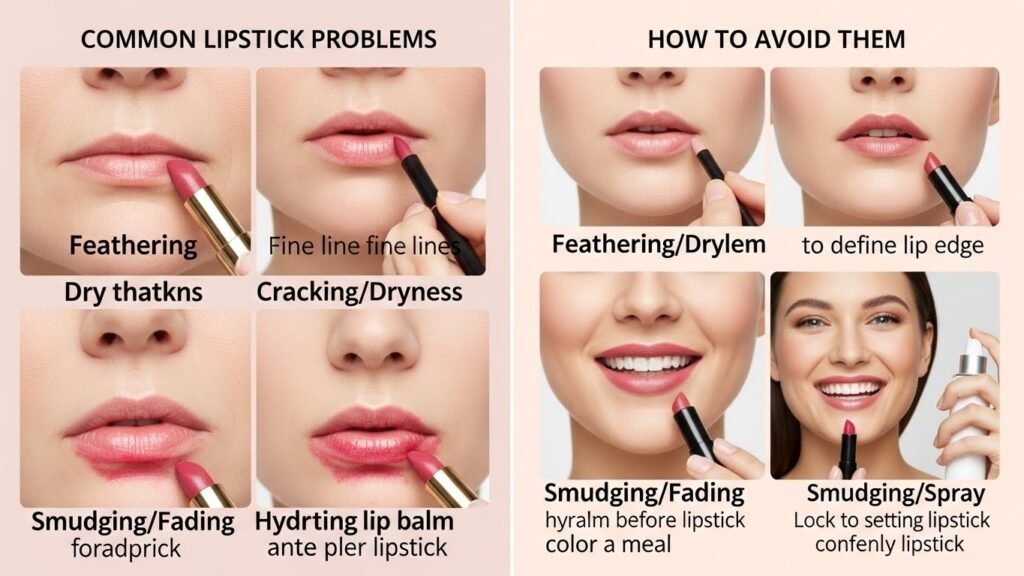
1. Dry or Cracked Lips
Dry lips usually happen when you skip hydrating formulas. Choose lipsticks with moisturizing ingredients like shea butter, vitamin E, or natural oils.
2. Allergic Reactions
If you feel itching or burning, stop using the product. Try a hypoallergenic lipstick or patch-test new shades before applying them fully.
3. Lipstick Smudging
Smudging is not related to safety, but it’s a common problem. A lip liner or matte formula can help keep your lipstick in place.
4. Sharing Lipstick
Sharing lipsticks can spread bacteria, so avoid using someone else’s lipstick even if it looks clean.
How to Choose Safe Lipsticks for Daily Use
Choosing a lipstick that suits your style and keeps your lips protected is easier than you think. Below are practical tips you can follow.
Tip 1: Go for Trusted Brands
Trusted brands usually follow strict quality controls. They perform safety tests and maintain ingredient standards.
Tip 2: Pick Lipstick According to Your Skin Type
If you have sensitive skin, pick products labeled dermatologist tested or sensitive skin friendly.
For dry skin, choose creamy or hydrating lipsticks.
For oily skin, matte lipsticks may suit you better.
Tip 3: Choose Safer Formulations
Many people now prefer organic lipstick, clean beauty formulas, or non toxic lipstick. These options contain fewer synthetic chemicals and more natural ingredients.
Step by Step: How to Do a Patch Test Before Using a New Lipstick
A patch test helps you know whether a product suits your skin. Here’s the simplest method.
Step 1
Apply a small amount of lipstick on your wrist or behind your ear.
Step 2
Wait for 12 to 24 hours and avoid washing the area.
Step 3
If there is no redness, itching, or swelling, the lipstick is safe for you.
If irritation appears, avoid using that product.
This small test can save you from big skin troubles.
How Storage Affects Lipstick Safety
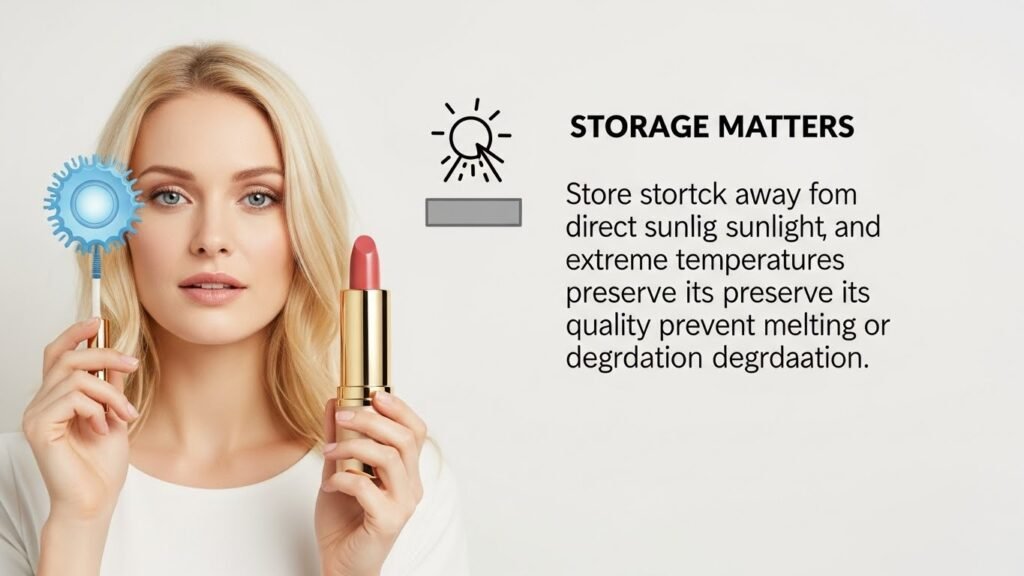
Storage plays a surprising role in lipstick safety. Many women carry lipsticks in hot bags, cars, or near sunlight without realizing how this affects the formula.
1. Keep Lipsticks in a Cool Place
Excessive heat can melt or change the product texture. Store your lipstick away from sunlight to keep it stable.
2. Don’t Use Old Lipsticks
Even your favorite shade becomes unsafe after its expiry period. Old lipsticks may smell different, feel sticky, or cause irritation.
3. Clean the Outer Surface Regularly
Wiping the top layer occasionally keeps your lipstick clean, especially if you use it daily.
Are Natural or Organic Lipsticks Safer
Natural or organic lipsticks have gained popularity, but many people misunderstand their benefits. These products often contain plant-based ingredients and fewer synthetic chemicals. While they are good options for sensitive skin, they still need to be checked for expiry, scent, and irritation.
One of my friends shifted completely to organic makeup because she believed plants never cause reactions. But she soon learned that even natural oils can irritate certain skin types. This experience teaches us that lipstick safety depends on knowing what suits your body, not just the label.
Final Thoughts: Smart Choices Lead to Safer Beauty
Lipstick is more than a beauty item. It’s something you touch to your lips multiple times a day. Understanding lipstick safety helps you make wise choices and avoid hidden risks. When you learn to read labels, choose quality brands, and follow simple steps like patch testing and proper storage, you protect your lips and your overall health.
Safe beauty is not about fear it is about awareness. When you know what you’re applying, you enjoy your favorite shades with confidence and peace of mind.
❓ FAQs: Lipstick Safety: What You Should Know
1. Is lipstick safe to use every day?
Yes, most lipsticks are safe for daily use when they are purchased from reputable brands and used properly. It is important to remove lipstick before sleeping to avoid dryness or irritation.
2. Can lipstick ingredients cause allergic reactions?
Some people may experience sensitivity due to certain ingredients like fragrance or preservatives. If you notice itching, dryness, or redness, switching to a gentler or fragrance-free formula is a good idea.
3. Is it harmful if you accidentally swallow lipstick?
Accidentally ingesting small amounts of lipstick is usually not harmful. However, repeated ingestion should be avoided, and using high-quality products helps reduce any potential risk.
4. How do you know if a lipstick has expired?
Expired lipstick may develop a strange smell, change in texture, or separate inside the tube. Using old lipstick can increase the risk of irritation or infection, so replacing it every one to two years is recommended.
5. Are natural or organic lipsticks safer for lips?
Natural or organic lipsticks can be suitable for sensitive lips, but they are not automatically safer. Safety depends on proper formulation, storage, and brand quality rather than labels alone.