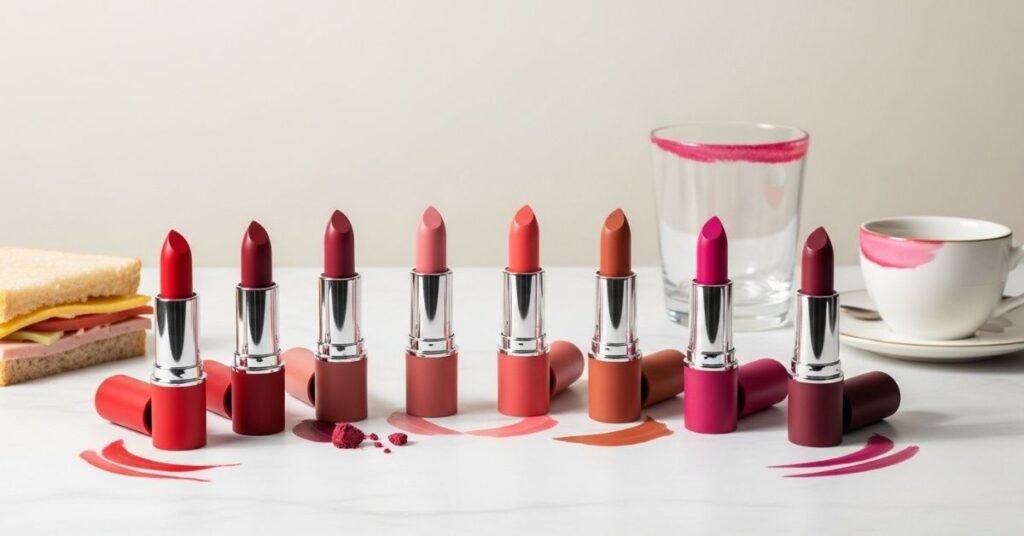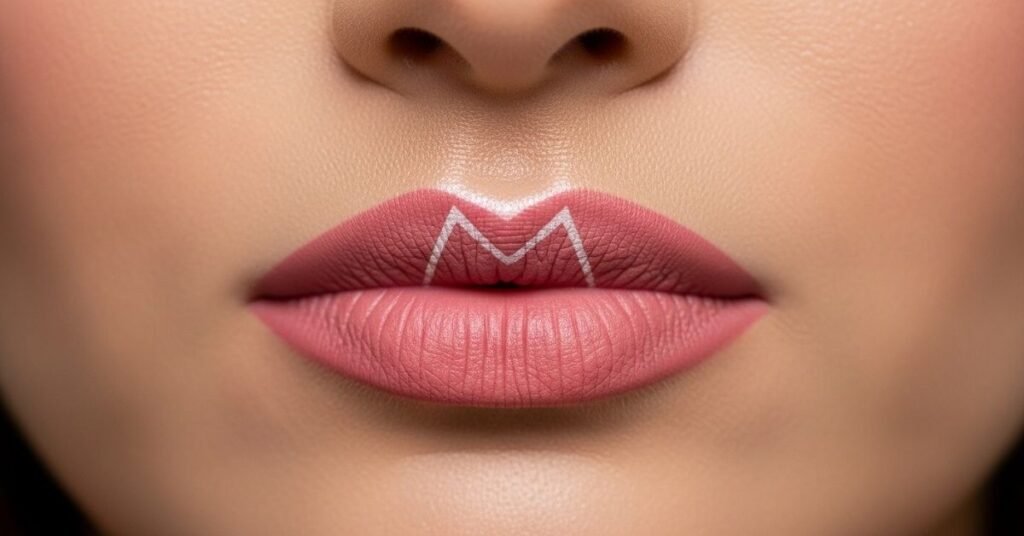

I still remember my first “High-Pigment” disaster back in high school. I had saved up for a bright, electric fuchsia lipstick that looked like neon candy in the tube. I swiped it on, expecting to look like a pop star, but within twenty minutes, it had stained my chin and settled into every tiny line I didn’t even know I had. It felt heavy, like I was wearing house paint.
That was the moment I realized that not all pigments are created equal. In 2026, the beauty world in the USA has moved past “heavy” coverage. We now want “Weightless Intensity.” Understanding Lipstick Pigments Secrets is the difference between a lip color that wears you and a lip color that enhances you.
At WomenClassy, we believe that knowledge is the most beautiful thing you can wear. Whether you are a fan of a soft glow or a sharp border, your color’s “DNA” starts with its pigment. Before we dive deep, if you prefer a more structured look, you must first Master Full Lip Lining Method? Follow Our 2026 Step-by-Step! to give your high-intensity colors a stable home.
This beginner-friendly guide is part of our Lipstick Basics series, where we break down everything from what lipstick actually is to how it works, so you can build your knowledge step by step with confidence.
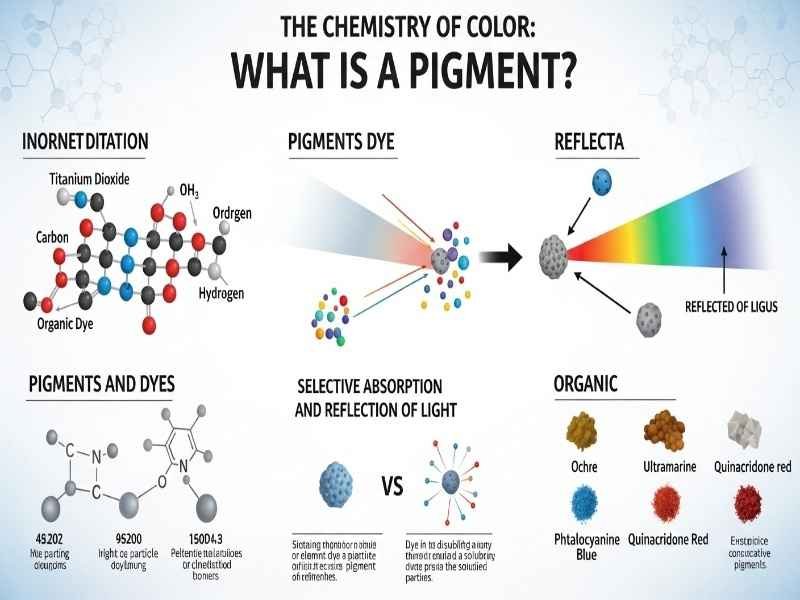
The Chemistry of Color: What is a Pigment?
A lipstick is essentially a mix of wax, oil, and pigment. The pigment is the solid particle that provides the color. In 2026, High-pigment lipstick 2026 trends focus on “Micronization”—grinding pigment particles so small that they feel like silk on the lips rather than grit.+1
Natural vs Synthetic Lip Pigments
This is the biggest debate in the USA beauty market right now.
- Natural Pigments: These come from minerals (like Iron Oxides), plants, or even insects (like Carmine). They are often marketed as “clean,” but they can sometimes be harder to stabilize. Long-lasting mineral pigments are excellent for those with sensitive skin, as they sit on the surface without causing irritation.
- Synthetic Pigments: These are lab-created. They offer the most “neon” and “bold” colors that nature simply can’t produce. In 2026, synthetic pigments are safer and more purified than ever, offering incredible “stain” power.
If you are confused about which one is in your favorite tube, our guide on Lipstick Finishes: How to Choose Perfect finish? explains how these pigments interact with different textures.
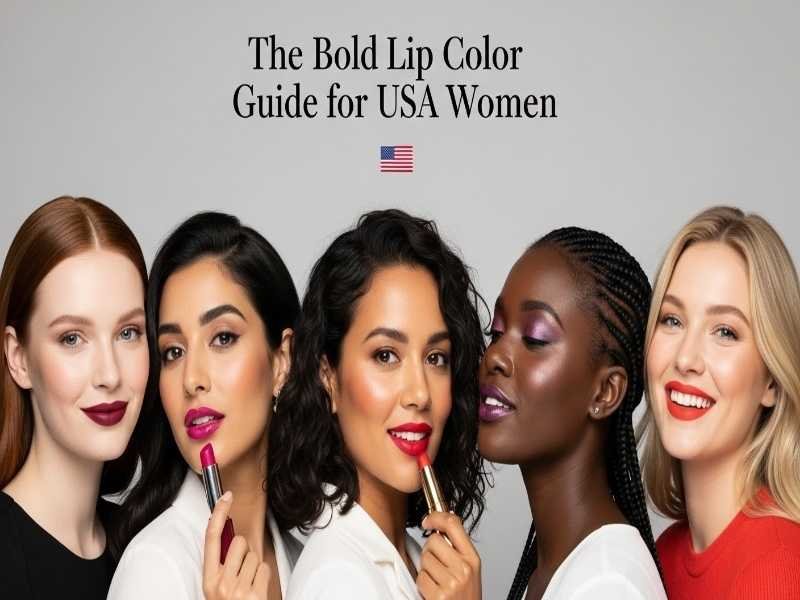
The Bold Lip Color Guide for USA Women
Wearing a bold color in 2026 is a “Power Move,” but it requires a strategy. From the streets of NYC to the beaches of Malibu, the “USA Pout” is about vibrancy and health.
- The Undertone Match: A high-pigment red is only “perfect” if it matches your skin’s temperature.
- The Application: For bold colors, the “Single Swipe” isn’t enough. You need to build the color in thin layers.
- The Anchor: High pigments tend to “travel.” To prevent this, you should follow these 5 Tips for the Full Lip Lining Method You Need! to create a barrier that keeps the pigment locked on the lip.
Secret 1: The “Density” Factor
Why does one red lipstick look “thin” while another looks “expensive”? It’s the pigment load. A standard lipstick has about 5-10% pigment. A High-pigment lipstick 2026 formula can have up to 25%.
When the pigment density is high, you need less product. This is why many women are switching to the Single-swipe lipstick method for effortless 2026 glam. One pass gives you total coverage, reducing the “cakey” feel that comes from multiple layers.
Secret 2: Long-Lasting Mineral Pigments and Hydration
One of the biggest Lipstick Pigments Secrets is that mineral pigments are naturally “dry.” If you’ve ever worn a mineral-based matte and felt your lips shrivel, that’s why.
In 2026, manufacturers are “encapsulating” these pigments in oils like Jojoba or Squalane. This allows the color to stay bold while the lips stay hydrated. If you find your bold color is still cracking, you might need to Master the blot and reapply technique for transfer-proof finish. This technique presses the pigment into the lip while removing the excess surface wax that causes “slipping.”
Secret 3: The “Light-Reflectance” Trick
Not all bold colors need to be matte. In fact, a huge 2026 trend is the “Satin-Bolt.” By using pigments that have a slight mineral shimmer (Mica), the color looks “3D.” This is a key part of the Best lip contouring methods 2026, as it uses light to make the lips look physically larger.
Bold vs. Natural: Finding Your Balance
If a high-pigment bold lip feels like “too much” for your Tuesday morning, you don’t have to give up on pigment. You can use the Natural wash application technique. By taking a high-pigment bullet and using the Master the finger-tap application for 2026, you can create a stained effect that looks natural but lasts all day because the pigment load is so high.
The Future of Color: 2026 and Beyond
As we move through 2026, Lipstick Pigments Secrets are becoming more accessible. We are seeing lipsticks that change color based on your pH and pigments that protect your lips from Blue Light damage. The “USA Woman” of today isn’t just looking for a pretty color; she’s looking for a high-performance, intelligent formula.
At WomenClassy, we want you to feel empowered by your choices. Whether you choose a sheer mineral wash or a bold synthetic matte, remember that the best pigment is the one that makes you smile when you see yourself in the mirror.
❓ Frequently Asked Questions (PAA Style)
What are the safest lipstick pigments? In 2026, both mineral and purified synthetic pigments are considered safe. USA women often prefer Long-lasting mineral pigments for daily wear as they are less likely to cause allergic reactions.
How do I make high-pigment lipstick look natural? Use the “Blotted Look.” Apply the lipstick to the center of your lips and blend it outward with your ring finger for a soft, diffused edge.
Why does my bold lipstick look patchy? Patchiness usually happens when the pigment “clings” to dry skin. Always exfoliate and hydrate your lips before applying high-intensity color.
Are “Natural” pigments better than “Synthetic”? Not necessarily. Natural pigments offer earthier tones and are eco-friendly, but synthetic pigments are necessary for bright, vibrant “true” reds and magentas that don’t fade.
How to get full lips at home using pigments? Use a slightly darker pigment (liner) on the outer edges and a lighter, more reflective pigment (lipstick) in the center. This “Ombre” effect is a staple of 2026 lip contouring trends.