You apply lipstick carefully, maybe even splurge on a “long-wear” formula, yet it still fades, slides, or breaks apart by midday. At some point, everyone asks the same question: is blotting really necessary, or is it just an extra step?
This is where blotting lips before lipstick becomes worth talking about. It’s one of those quiet techniques that makeup artists swear by—but many everyday routines skip completely.
In this article, we’re breaking down blot vs no blot in a real, practical way—what actually changes, when blotting helps, and when it doesn’t matter as much.
What Does Blotting Lips Before Lipstick Actually Mean?
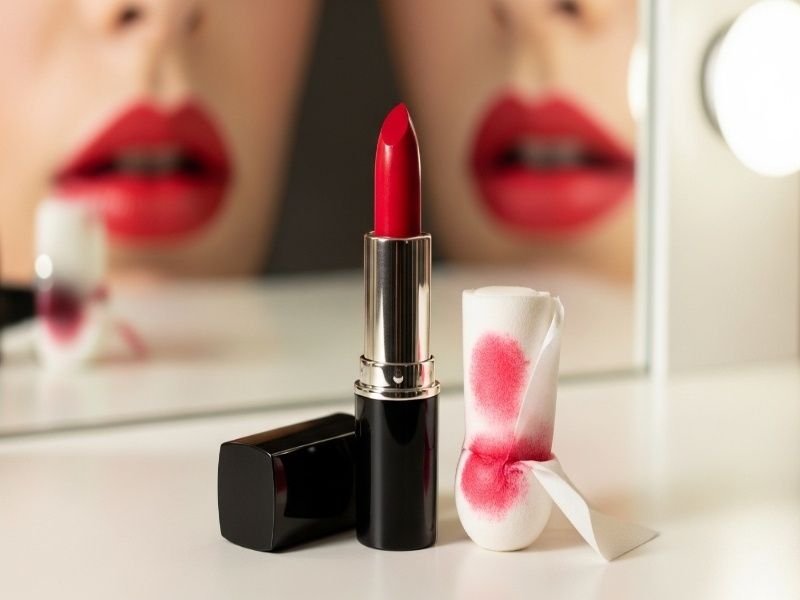
Blotting simply means pressing a tissue against your lips to remove excess oil, balm, or moisture before or during lipstick application. It’s not about drying your lips out—it’s about balance.
Most lipstick problems start when there’s too much slip underneath. That slippery layer prevents pigment from gripping the lips properly, which is why blotting lips before lipstick can noticeably improve wear.
Why Lipstick Often Fails Without Blotting
Lip balm is essential, but when it’s left sitting on the lips, it creates a surface lipstick can’t hold onto. This is one of the biggest reasons lipstick fades quickly, even when the product itself is high quality.
If lipstick constantly disappears on you, understanding why lipstick slides or fades quickly helps explain how excess moisture quietly breaks down color throughout the day. Blotting removes just enough oil to prevent that breakdown.
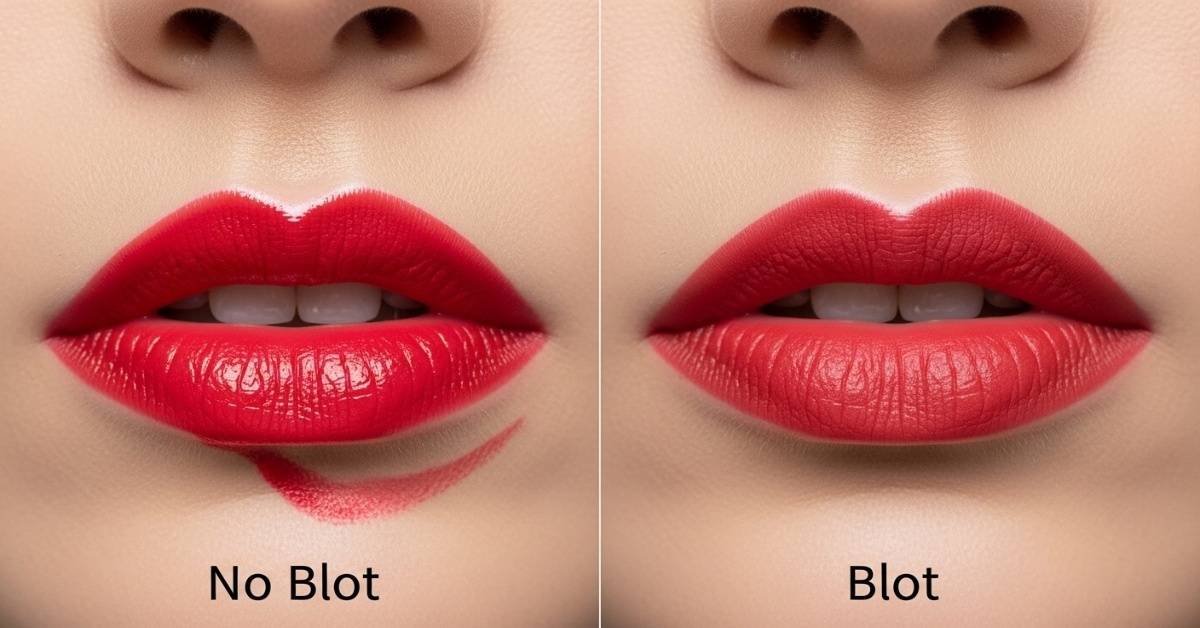
Blot vs No Blot: What’s the Real Difference?
Here’s what actually changes when you blot—and when you don’t.
| Step | With Blotting | Without Blotting |
|---|---|---|
| Lip surface | Balanced, lightly hydrated | Slippery or overly oily |
| Lipstick grip | Strong | Weak |
| Wear time | Longer, more even | Faster fading |
| Texture | Smooth | Patchy or bumpy |
The difference isn’t dramatic in the first five minutes—but it becomes obvious after a few hours.
Does Blotting Lipstick Make It Last Longer?
Yes—when done correctly.
Blotting removes excess oils that cause lipstick pigments to break down. Without that oily layer, lipstick sits closer to the actual lip surface, which improves adhesion and wear time.
This is why blotting is a core step in the blot and prep technique, where the goal is not dryness, but controlled hydration.
How to Prep Lips for Long-Lasting Lipstick
Proper prep matters more than the lipstick itself.
Step 1: Exfoliate Lightly
This removes flakes that cause uneven application.
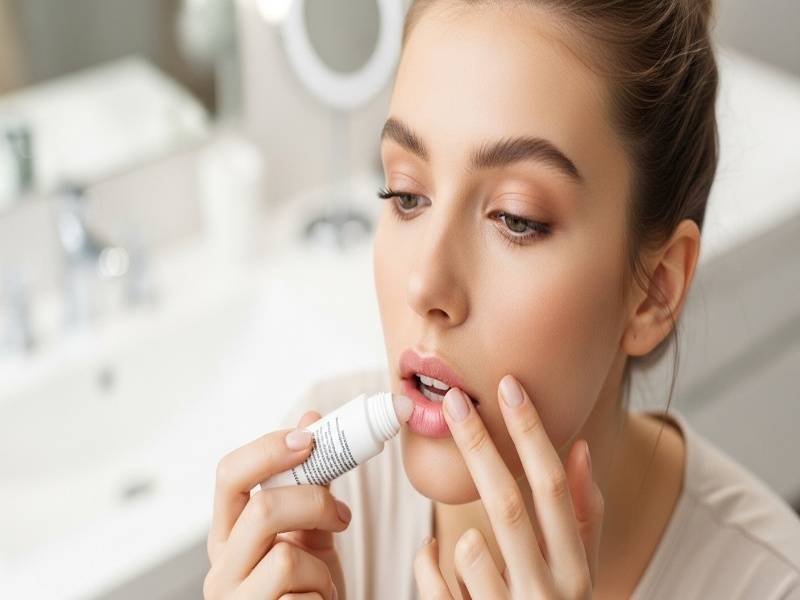
Step 2: Apply a Thin Layer of Lip Balm
Enough to soften lips—not enough to coat them.
Step 3: Let It Absorb
Give it a minute or two to sink in.
Step 4: Blot Excess Balm
This is where blotting lips before lipstick makes the biggest difference.
Step 5: Apply Lipstick in Thin Layers
Thin layers always last longer than one thick swipe.
Skipping blotting at this stage is what separates blot vs no blot results.
Is It Necessary to Blot Lipstick Every Time?
Not always—but often enough to matter.
Blotting is especially useful if:
- You use lip balm beforehand
- You wear matte or liquid lipstick
- Your lipstick fades quickly
- Your lips get oily throughout the day
If your lips are already dry and product grips well, blotting may not be essential—but most people benefit from it.
Are You Supposed to Blot Lip Stains?
Lightly, yes—but only before full dry-down.
Blotting lip stains removes excess moisture underneath so the stain sets evenly. Once dry, blotting isn’t needed.
Should You Blot Lip Gloss?
Usually, no.
Gloss is meant to stay shiny and slippery. Blotting removes its purpose. However, blotting before applying gloss (to remove balm) can help prevent feathering.
Lip Liner: Before or After Lipstick?
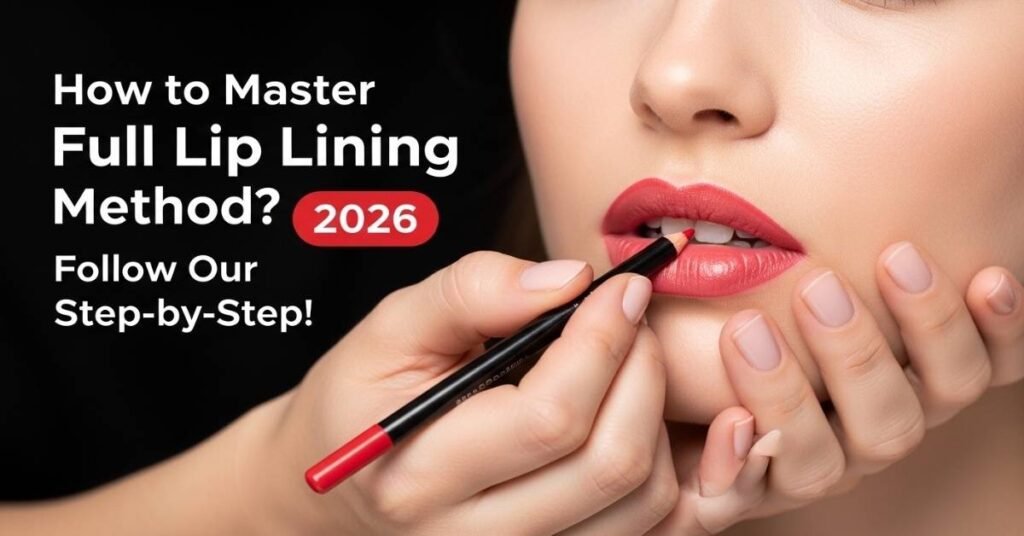
Makeup artists typically apply lip liner before lipstick. Liner creates a base that helps lipstick stay in place. Blotting before liner improves grip even more.
Why Don’t Makeup Artists Rely on Lip Primer?
Many artists skip primer because blotting does the same job more naturally. Primer can sometimes feel heavy or interfere with certain formulas, while blotting simply removes what lipstick doesn’t need.
That’s why blotting lips before lipstick remains a staple technique behind the scenes.
Why Do People Blot Their Lipstick?
People blot to:
- Improve wear time
- Reduce slipping
- Prevent patchiness
- Control shine
- Keep layers thin and even
It’s not about removing color—it’s about setting it properly.
Should You Always Blot Lipstick?
Not always—but you should always blot excess balm before lipstick.
That single step prevents most texture and wear issues people struggle with daily.
Common Mistakes When Blotting
Blotting Too Early
Blotting immediately after balm removes all hydration.
Rubbing Instead of Pressing
This can irritate lips and create uneven texture.
Over-Blotting
Too much blotting can make lips feel dry and tight.
Balance is key.
Final Verdict: Blot vs No Blot
So—does blotting lips before lipstick really improve wear?
Yes, in most cases, it makes a clear difference.
The blot vs no blot comparison isn’t about adding extra steps—it’s about fixing the base. Once excess balm is removed, lipstick applies smoother, wears longer, and looks more polished without changing products.
If lipstick never lasts on you, blotting is one of the easiest habits to adopt—and one of the hardest to skip once you see the results.
FAQs
Does blotting lipstick make it last longer?
Yes. Blotting removes excess oils that break down lipstick over time.
How do I prep my lips before applying lipstick?
Exfoliate, apply light balm, let it absorb, then blot before lipstick.
Is it necessary to blot lipstick?
It’s not mandatory, but it significantly improves wear for most people.
Are you supposed to put lip liner on before or after lipstick?
Before lipstick. It helps define and extend wear.
Should you always blot lip gloss?
No. Gloss is meant to stay shiny, but blotting beforehand can help prevent slipping.