That moment at the beauty counter is all too familiar. You’re drawn to the soft pinks—the section that promises a gentle, feminine touch. Your hand hovers between two equally beautiful bullets: one, a delicate, almost ethereal baby pink; the other, a rosier, more alive blush pink. They look stunning in the tube, but which one will translate to stunning on your lips? This is the classic soft pink dilemma.
Choosing between Blush Pink vs Baby Pink Lipstick isn’t about picking a prettier color; it’s a strategic decision about undertones, depth, and which shade will harmonize with your unique skin to create a natural-looking glow. As your beauty editor, I’ve seen countless clients light up when they find “their” pink. The right one doesn’t just sit on your lips—it becomes a part of your expression.
This definitive 1200-word guide will cut through the confusion. We’ll explore the defining characteristics, ideal skin tone pairings, and styling secrets for each shade. You’ll walk away knowing exactly which soft pink is your ally and how to wear it with unwavering confidence. For a foundational understanding of the entire pink family, our comprehensive Pink Lipstick Shades: The Complete Guide is your perfect starting point, courtesy of the experts here at WomenClassy.
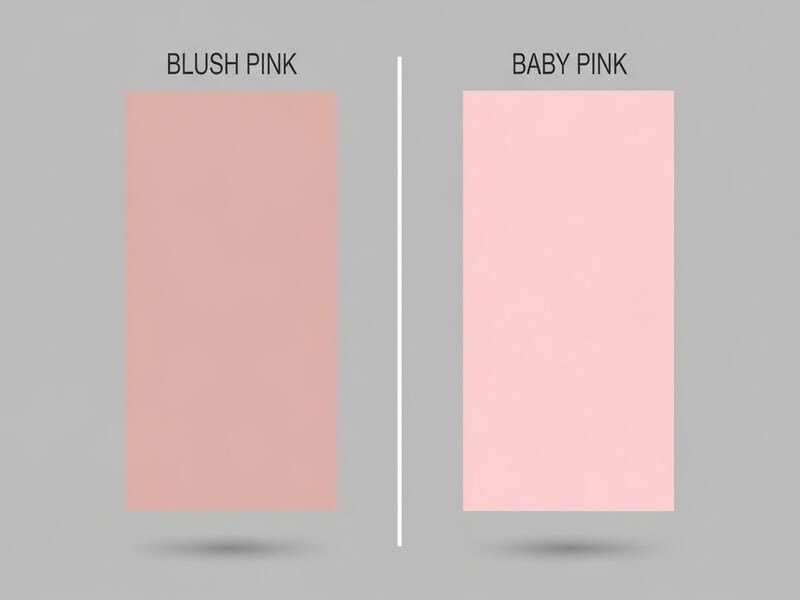
Defining the Duel: Blush Pink vs. Baby Pink
First, let’s clearly define our contenders. Think of them as close relatives in the pink family, each with a distinct personality and purpose, as explored in our article on lipstick shades and their meanings.
- Blush Pink Lipstick: The “Your-Lips-But-Better” Staple. This shade is engineered to replicate the natural, healthy flush of your cheeks. As we explore in our dedicated article on Blush Pink Lipstick, its primary mission is enhancement. It aims to add warmth, vitality, and a polished finish that looks believably innate. It’s the shade you reach for when you want to look effortlessly put-together.
- Baby Pink Lipstick: The “Whisper-Light” Accent. This shade is characteristically lighter and often more pastel-toned than your natural lip color. Its goal is not to mimic, but to brighten and impart a soft, sweet, and playful femininity. It evokes feelings of innocence and delicate charm.
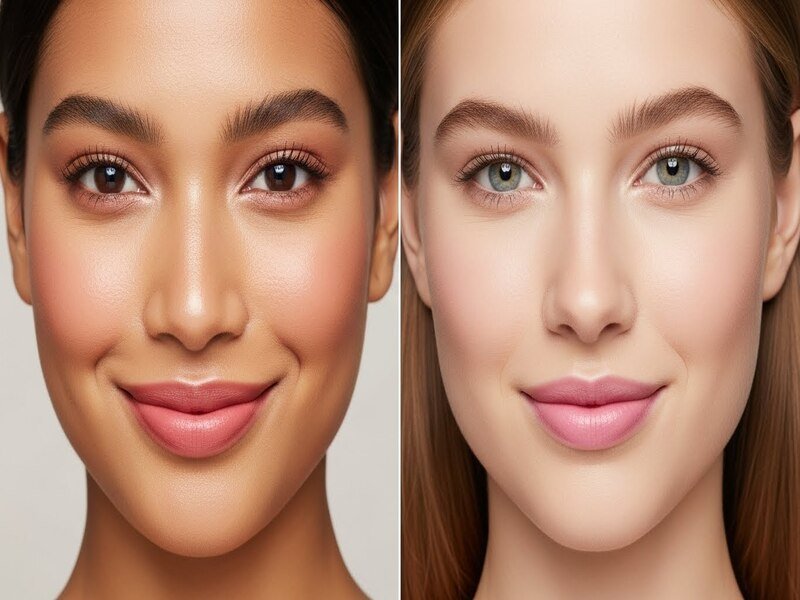
The most critical technical difference lies in depth and saturation. Blush pink typically has more pigment and is one to two shades deeper than your natural lips. Baby pink often matches or is lighter than your lip color, which requires precise pairing to prevent it from looking washed out.
The Undertone Decoder: Finding Your Flattering Hue
Both blush and baby pink come in a spectrum of undertones—the secret, underlying color that determines true compatibility. Ignoring undertone is the most common reason a beautiful pink turns unflattering. For a masterclass on this, see our guide on lipstick undertones explained.
- Cool-Toned Pinks (Blue/Violet Base): These shades have hints of blue or rose. A cool blush pink resembles a winter breeze flush. They are ideally suited for complexions with cool (pink) undertones.
- Warm-Toned Pinks (Peach/Golden Base): These shades lean into peach or coral. A warm blush pink mimics a sun-kissed glow. They are perfect for skin with warm (golden) undertones.
- Neutral-Toned Pinks (Balanced Base): These are the universal ambassadors. A neutral blush pink is a true “rose.” They are exceptionally flattering on neutral and olive complexions.
The Ultimate Skin Tone Matchmaking Guide
Your skin’s depth and undertone are the ultimate guides. This detailed table will direct you to your most harmonious pink match, building on the principles in our guide how to pick the perfect lipstick shade.
| Skin Tone & Undertone | Recommended Winner & Key Reasoning | Pro Application & Formula Tip |
|---|---|---|
| Fair / Cool | Blush Pink. A light-to-medium rosy blush pink adds vital, flattering color. Baby pink can often be too pale. | Opt for a creamy or satin finish. If trying baby pink, ensure it’s a clear blue-pink. |
| Fair / Warm | Blush Pink. A peachy or “tea rose” blush pink will warm your complexion perfectly. | Look for “warm rose” shades. A balm-like formula enhances the natural look. |
| Medium / Cool | Both Can Work. A berry-tinted blush pink is gorgeous. A pigmented baby pink can look fresh. | For baby pink, choose a highly pigmented, demi-matte formula. |
| Medium / Warm | Blush Pink is a Star. Richer pinks with a touch of coral or browned rose are incredibly complementary. | Creamy bullet lipsticks in these warm blush tones are foolproof. |
| Deep / Cool | Blush Pink is the Clear Choice. Deep, berry-infused blush pinks are magnificent and bold. | Avoid pastels. Seek out highly saturated, pigmented formulas. |
| Deep / Warm | Blush Pink. Caramel-kissed blush pinks celebrate your skin’s golden warmth beautifully. | Sheer, shiny formulas that allow your skin to glow through are perfect. |
Styling & Occasion: Setting Your Look’s Tone
Your choice between these pinks can actively shape the vibe of your entire makeup look. The finish you choose also plays a role, which you can learn about in our breakdown of lipstick finishes explained.
- For Effortless, Everyday Elegance: Blush pink lipstick is the undisputed champion. It’s the ultimate low-maintenance, high-impact shade for professional settings and daily life.
- For Romantic, Delicate Femininity: This is where baby pink truly shines. It’s the ideal choice for dates, garden parties, or a soft, pretty aesthetic.
- For Modern, Editorial Balance: When wearing a dramatic smoky eye, blush pink is your perfect partner. It provides balance without competing for attention.
Pro-Tip Application Secrets
To make your chosen pink perform at its peak:
- For Blush Pink: Aim for seamless enhancement. Use a lip liner that matches your natural lip color to outline and lightly fill. Apply, blot, and reapply for extended wear.
- For Baby Pink: Aim for clean, bright color. Lip prep is non-negotiable. Exfoliate and hydrate first. For true color, use a pale pink lip liner all over the lips first to create a consistent canvas.
The Final Verdict: Your Confidence is the Best Shade
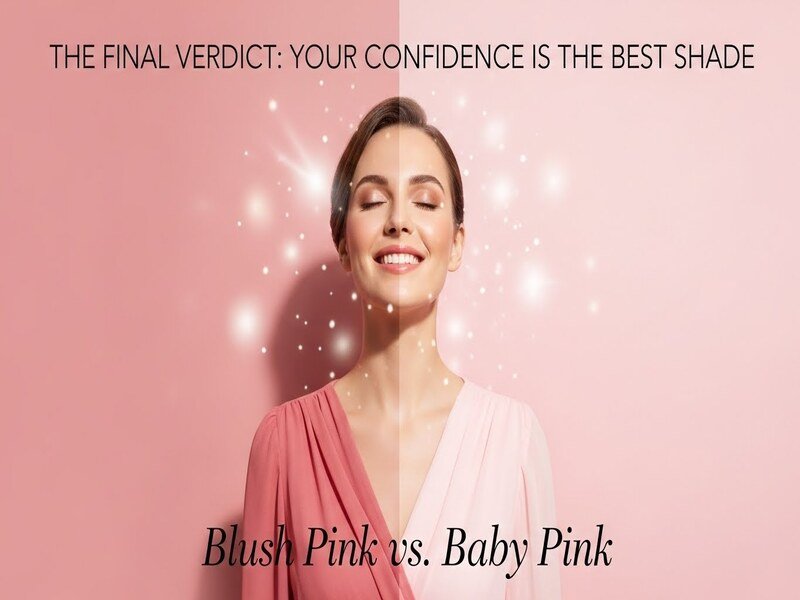
In the thoughtful comparison of Blush Pink vs Baby Pink Lipstick, there is no single “winner”—only the right choice for you.
Choose Blush Pink Lipstick if: You seek a versatile, enhancing, and universally flattering staple. It’s the reliable workhorse that suits most skin tones and seamlessly fits into daily life.
Choose Baby Pink Lipstick if: You have a fair to light complexion with cool undertones and you’re crafting a specific soft or romantic look.
Ultimately, the perfect pink is the one that makes you feel radiant and self-assured. It should feel like an extension of your personal style. When in doubt, a neutral-toned blush pink is arguably the most universally flattering and confidence-boosting choice you can make.
FAQs: Blush Pink vs. Baby Pink Lipstick
1. I have warm undertones but love the baby pink look. Any hope?
Absolutely! The key is to seek out “warm baby pinks.” Look for shades described as “peachy pink” or “apricot pink.” Avoid anything labeled “blue pink” or “cotton candy.”
2. Which pink is more forgiving on mature lips or lip lines?
Blush pink is generally more forgiving. Its deeper pigment helps define the lip shape. If you adore baby pink, strictly opt for creamy, luminous formulas and avoid matte textures.
3. How can I tone down a blush pink that feels too bright for day?
Sheer it out! Apply a small amount and use your finger to tap and blend it thoroughly into your lips. You can also mix a dab with a bit of clear lip balm.
4. Are these shades suitable for a “no-makeup” makeup look?
Blush pink is a cornerstone of the “no-makeup” makeup aesthetic. Its goal is natural enhancement. Baby pink can work if applied very sheerly.
5. What about for olive skin tones, which can be tricky?
Olive skin tones often look best with muted, neutral-to-warm shades. A blush pink with a brown or mauve undertone is usually spectacular.
📚 Deepen Your Lipstick Knowledge: