I still remember my first attempt at making a “clean” lipstick. The recipe called for beeswax in lipstick, but after chatting with a vegan friend about her choices, I hesitated. Was there a way to achieve that perfect, sturdy bullet without it? That’s when I discovered candelilla wax. Sourced from a humble desert shrub, this little-known ingredient transformed my formula. The lipstick had a beautiful, crisp glide and a matte finish that felt surprisingly protective. It was a revelation: ethical sourcing and high performance could go hand-in-hand. This experience made me realize candelilla wax in lipstick isn’t just a substitute; it’s a superior choice for a modern, conscious beauty routine.
In the world of lipstick bases, beeswax has long been the gold standard. But for vegans, ethically-minded consumers, or those with allergies, the search for an alternative is paramount. What is a vegan alternative to beeswax? The answer, increasingly, is candelilla wax. This plant-derived wax is stepping out of the shadow of its animal-based counterpart and proving itself as a powerhouse ingredient in its own right. Let’s delve into why this wax is revolutionizing formulations and how it creates that impeccable lipstick feel. For a foundational understanding of why waxes are so crucial, our guide on Wax in Lipstick is the perfect starting point.
What is Candelilla Wax? The Desert’s Gift to Beauty
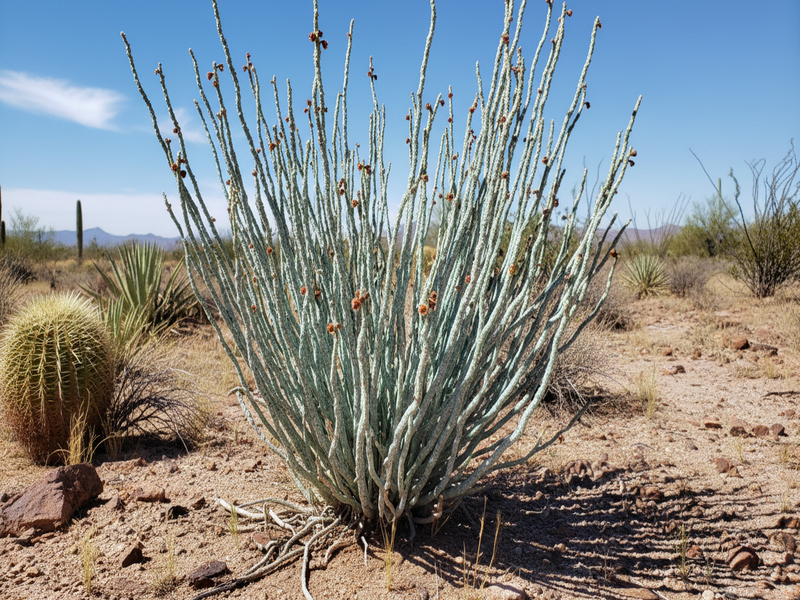
Before we explore its function, let’s understand its origin. Candelilla wax is a hard, brittle wax derived from the leaves of the Euphorbia antisyphilitica shrub, native to the northern Mexican and southwestern US deserts. The plant is harvested sustainably, and the wax is obtained through a process of boiling and skimming. Crucially, is candelilla wax vegan? Yes, 100%. Its plant-based origin makes it the go-to answer for what is a good alternative to beeswax for cosmetics? and specifically, what can replace beeswax in lip balm? and lipstick.
Its natural properties include a high melting point (higher than beeswax), which is the first clue to its unique benefits in cosmetic formulas.
The Core Function: What is the Function of Candelilla Wax in Lipstick?
Candelilla wax in lipstick serves multiple critical roles, often outperforming other waxes in specific areas:
- Structure & Moldability: It is a primary hardening agent. Its high melting point (around 68-72°C) helps create a firm lipstick bullet that won’t bend or melt easily in your pocket, yet it still allows for a smooth application. When formulators debate what is the best wax for lipstick for structure, candelilla is a top contender.
- Protective Barrier: It forms a semi-occlusive film on the lips. This helps to lock in moisture and shield delicate lip skin from environmental stressors like wind and cold, which is a key benefit for those wondering, is candelilla wax safe for lips? (The answer is a resounding yes—it’s non-irritating for most.)
- Matte & Velvet Finishes: Due to its hardness, it is excellent for creating long-wearing matte and satin finishes. It helps suspend pigments evenly and reduces unwanted shine, contributing to a sophisticated, modern look.
- Stabilizer: It helps bind oils and pigments together, preventing the lipstick from “sweating” or separating.
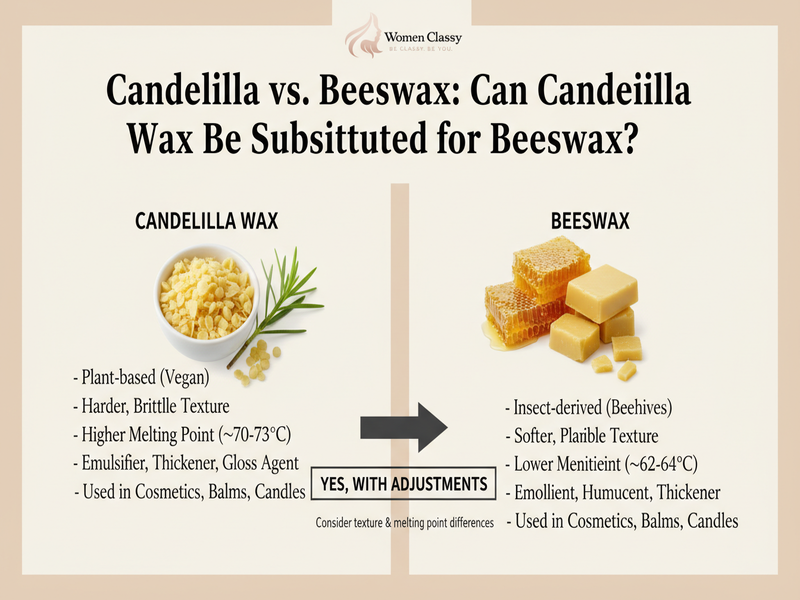
Candelilla vs. Beeswax: Can Candelilla Wax Be Substituted for Beeswax?
This is the central question for many formulators and conscious consumers. Can candelilla wax be substituted for beeswax? Yes, but not always at a 1:1 ratio.
- The Vegan Ethos: Why do vegans not use beeswax? And more broadly, why are people against beeswax? The primary reason is the vegan philosophy of avoiding all animal products and by-products. Some also express concerns about commercial beekeeping practices and the belief that harvesting wax stresses the bee colony. For these individuals, finding a vegan lip balm without beeswax or vegan lipstick is essential, making candelilla a hero ingredient.
- Performance Comparison: Candelilla wax is harder and has a higher melting point than beeswax. This means:
- Pro: It provides a stiffer structure and better longevity for matte lipsticks.
- Con: Used alone, it can make a formula too brittle. It is often blended with softer waxes or butters (like carnauba wax in lipstick, another plant-based wax) to achieve the perfect balance of strength and glide.
In short, candelilla is a superb vegan alternative that excels in specific applications, particularly for long-wear and matte finishes. Understanding these lipstick ingredients explained helps in making informed choices.
Safety & Sensitivity: Is Candelilla Wax Safe for Lips?
Absolute safety is paramount. Is candelilla wax safe for lips? Yes, it is generally recognized as safe (GRAS) for cosmetic use and is non-toxic and non-irritating. It is a natural emollient, making it suitable for most people, including those with sensitive skin.
However, it’s always wise to check the full ingredient list. The safety of a final product depends on all its components. For insights on what to avoid, you can refer to discussions on what ingredients should not be in a lip balm, many of which also apply to lipstick, such as certain drying alcohols or sensitizing flavors.
Formulation Insight: How to Use It Best
For those curious about the craft, candelilla wax is typically used at 5-15% of a lipstick formula. Its hardness means it’s often paired with:
- Softer oils (like jojoba oil in lipstick or castor oil in lipstick) for plasticity.
- Other waxes (like carnauba) to fine-tune the melting point and texture.
- Emollients and butters to ensure the lipstick feels comfortable and not dry.
This synergy of ingredients is what masterful lipstick formulation tips are all about.
The Bigger Picture: Wax in Vegan Beauty
Candelilla wax represents a key pillar in the shift toward conscious, plant-based cosmetics. It answers a clear market demand for high-performance vegan alternatives without compromising on quality. When exploring natural lipstick ingredients, candelilla wax stands out as a sustainable, effective, and ethical choice that empowers consumers to align their beauty routines with their values.
FAQs About Candelilla Wax in Lipstick
Is candelilla wax better than beeswax for lipstick?
“Better” depends on the goal. For a vegan product or a harder, longer-lasting matte finish, candelilla is superior. For a softer, more emollient traditional cream lipstick, beeswax might be preferred. Many brands now blend them or use candelilla with other plant waxes.
What is the best wax for lipstick formulation?
There is no single “best” wax. Professional formulations often use a blend. Beeswax in lipstick offers elasticity, carnauba wax in lipstick provides high-gloss hardness, and [candelilla wax in lipstick] gives structure and a matte finish. The “best” blend depends on the desired final effect.
Can I find candelilla wax in commercial lipsticks?
Yes, absolutely. It’s prominently used in vegan and “clean” beauty brands. Check the ingredient list (often listed as ‘Euphorbia Cerifera (Candelilla) Wax’).
Does candelilla wax make lipstick dry?
Not inherently. In a well-balanced formula with enough emollient oils, candelilla wax contributes to longevity without dryness. A poorly formulated product with insufficient oils can feel dry, regardless of the wax used.
Is it sustainable?
Yes, when sourced responsibly. The candelilla shrub is not cut down during harvest; only its wax-coated leaves are collected, allowing the plant to regenerate. Reputable suppliers adhere to sustainable practices.
Discover More About Lipstick Ingredients:
- Wax in Lipstick – Understand the foundational role of waxes.
- Beeswax in Lipstick – Learn about the traditional, animal-derived wax.
- Carnauba Wax in Lipstick – Explore another key plant-based vegan wax.
- Lipstick Ingredients Explained – A comprehensive guide to what goes into your lipstick.
- Natural Lipstick Ingredients – Focus on plant-derived and mineral components.
- What is Lipstick? – A deep dive into the history and composition of lipstick.