I’ll never forget the “Magenta Mystery” of my cousin’s wedding. I had found the most perfect, cool-toned berry lipstick that looked absolutely divine on the back of my hand. How Lipstick Works on Lips. But the moment I swiped it onto my lips, it turned into a muddy, dark plum that made me look like I hadn’t slept in a week. I spent the whole reception hiding from the photographer, wondering how a product could look so different in the tube versus on my face.
In 2026, we’ve moved past the “one-shade-fits-all” mentality. To truly Master Color, you have to understand the science of How Lipstick Works on Lips. It isn’t just about the pigment in the tube; it’s about how that pigment interacts with your natural lip undertone, the light around you, and even the texture of your skin. Before you can achieve that high-impact look, you need to ensure your lips are healthy enough to hold the color—start with our Lipstick Ingredients Explained guide to see how different formulas behave.
At WomenClassy, we want to help you decode the chemistry of your own beauty.
If you want the foundation of your lipstick knowledge strong, start with this page on lipstick types to understand how texture and finish affect your overall look.
This beginner-friendly guide is part of our Lipstick Basics series, where we break down everything from what lipstick actually is to how it works, so you can build your knowledge step by step with confidence.
The Science of Interaction: Why Color Shifts
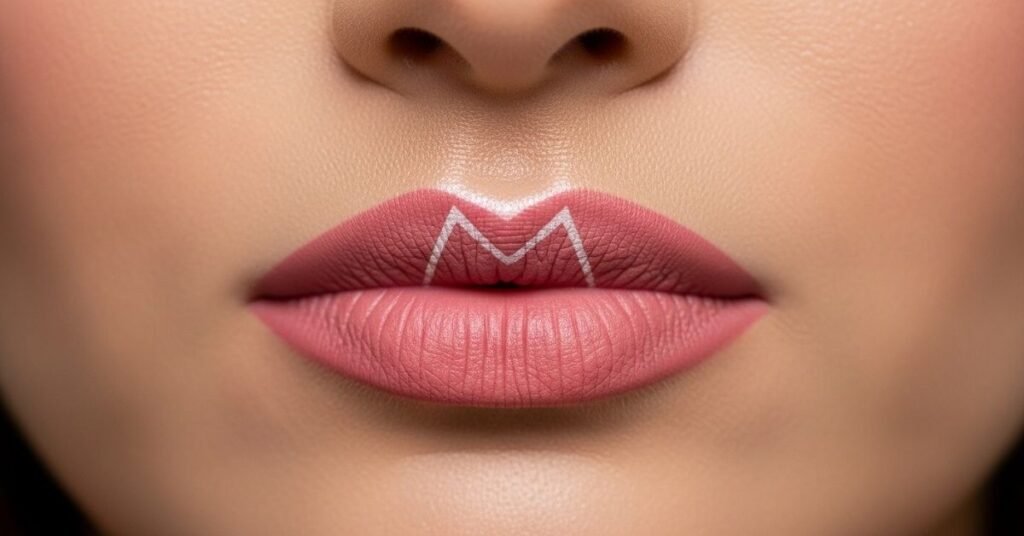
When people ask How Lipstick Works on Lips, they are usually surprised to learn that our lips aren’t a blank white canvas. Your natural lip pigment acts as a “base coat” that mixes with the lipstick. This is exactly Why Lipstick Changes Color on Pigmented Lips, turning a bright pink into a muted mauve or a true red into an orange-toned shade.
To master your look, you also need to understand the role of light. In 2026, many women are opting for Natural vs. Synthetic Lipstick depending on the finish they want. Synthetic dyes offer that “pop” under office LED lights, while natural minerals often glow better in the soft sunlight of the USA outdoors.
How Lipstick Works on Lips When Applied
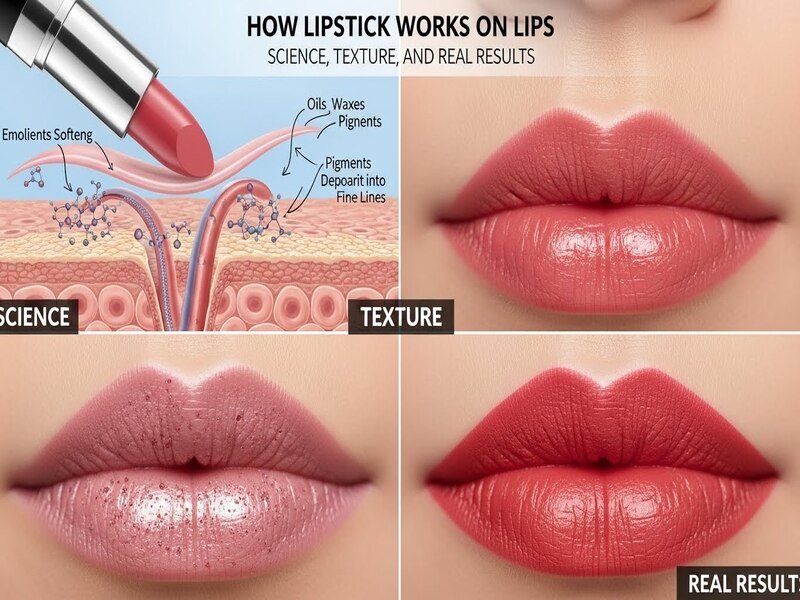
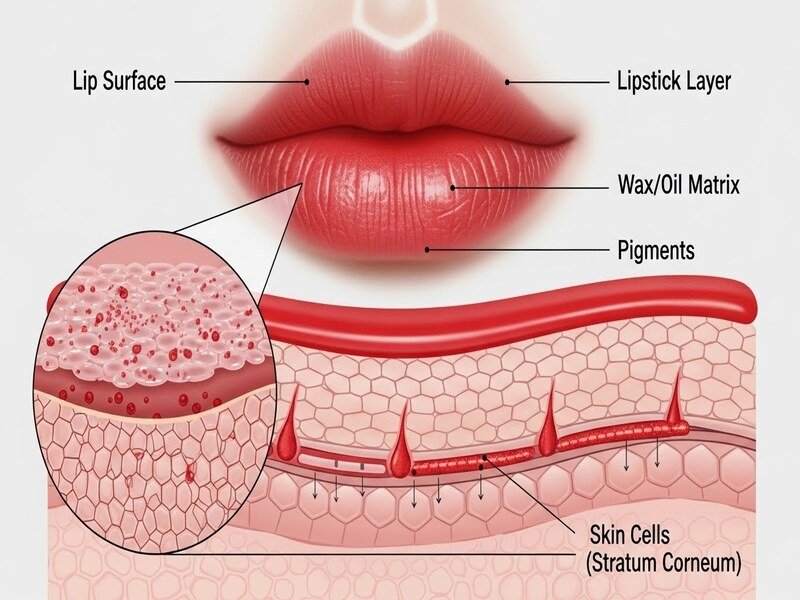
The moment lipstick touches your lips,body heat starts to soften the formula. This allows the waxes and oils to melt slightly, helping the product glide smoothly. At the same time, color pigments settle into the natural lines of your lips, creating even coverage.
Because lips lack oil glands, lipstick formulas are designed to replace missing moisture. This explains why some lipsticks feel creamy and nourishing, while others feel dry and matte.
Lipstick Ingredients and How They Work on Lips
Every lipstick relies on three core ingredients that determine performance:
- Waxes give lipstick its solid shape and control how smoothly it applies.
- Oils add comfort, flexibility, and shine while preventing cracking.
- Pigments provide color depth, opacity, and tone.
A balanced formula ensures the lipstick feels comfortable without sliding or fading too quickly. High wax content can feel stiff, while excess oil can cause smudging.
How Lip Texture Affects How Lipstick Works on Lips
Lip texture plays a major role in how lipstick looks after application. Smooth, hydrated lips allow lipstick to spread evenly. Dry or flaky lips can cause pigments to cling to rough areas, making color appear patchy.
Regular lip exfoliation and proper hydration improve how lipstick sits on the lips. Your natural lip color also affects the final shade, which is why the same lipstick can look different on different people.
Why Lipstick Feels Dry or Comfortable Over Time
Lipstick does not feel the same throughout the day. In the first stage, oils provide slip and comfort. Over time, these oils absorb or evaporate, especially in matte formulas. Pigments then settle deeper into the lips, which may cause dryness if moisture is lacking.
This is why long-lasting lipsticks often feel drier, while moisturizing lipsticks may need more frequent touch-ups.
How to Make Lipstick Work Better on Lips
To get the best results from any lipstick:
- Gently exfoliate lips to remove dead skin
- Apply a lightweight lip balm and let it absorb
- Use a lip liner for clean edges and longer wear
- Apply lipstick from the center outward
This routine improves wear time, smoothness, and overall comfort.
Why Lipstick Transfers and Fades From Lips
Lipstick fades because lips move constantly. Talking, eating, and drinking gradually break down the pigment layer. Oils from food can dissolve lipstick oils, leading to transfer.
Some formulas use film-forming agents to lock pigment in place. These are common in liquid and matte lipsticks but may feel less comfortable.
Different Types of Lipstick and How They Work on Lips
Each lipstick type works differently:
- Cream lipsticks focus on comfort and smooth application
- Matte lipsticks prioritize strong pigment and staying power
- Glossy lipsticks reflect light and create a fuller look
- Lip stains absorb into lips for sheer, long-lasting color
There is no single best option. The right choice depends on your needs and lifestyle.
Final Thoughts on How Lipstick Works on Lips
Lipstick is more than color. It reacts to heat, texture, movement, and time. Once you understand how lipstick works on lips, you can choose better formulas, prep smarter, and enjoy longer-lasting, more comfortable wear.
Explore more expert lipstick guides on WomenClassy to elevate your lip game with confidence.
Frequently Asked Questions About How Lipstick Works on Lips
How does lipstick stick to lips?
Lipstick sticks because waxes create structure while oils help pigments bind to the lip surface.
Why does lipstick look patchy on dry lips?
Dry skin causes pigments to settle into cracks. Exfoliation and hydration help prevent this.
Why does the same lipstick shade look different on everyone?
Natural lip color and undertone influence how pigments appear after application.
Do matte lipsticks damage lips?
Matte lipsticks are not harmful but can feel drying due to lower oil content. Proper prep helps.
How can I make lipstick last longer on my lips?
Use lip liner, blot between layers, and choose formulas designed for long wear.