
How Do pH-Reacting Colorants change look?
I’ll never forget the first time I saw a “green” lipstick in my older sister’s makeup bag when I was ten. I thought she was going to a Halloween party as a forest witch! How pH-Reacting Colorants Change Look But then, she swiped it across her lips, and within seconds, it transformed into the most beautiful, sheer rose-pink I had ever seen. I was convinced it was actual magic.
Fast forward to 2026, and that “magic” is now a staple in the Customized beauty solutions 2026 market. Whether it’s a clear lip oil that turns berry or a yellow balm that turns peach, the question remains: How pH-Reacting Colorants Change Look? It’s not sorcery—it’s a fascinating chemical reaction that depends entirely on your body’s unique chemistry.
At WomenClassy, we love the intersection of science and style. Let’s break down the lab-coat secrets behind your favorite color-changing products.
This beginner-friendly guide is part of our Lipstick Basics series, where we break down everything from what lipstick actually is to how it works, so you can build your knowledge step by step with confidence.
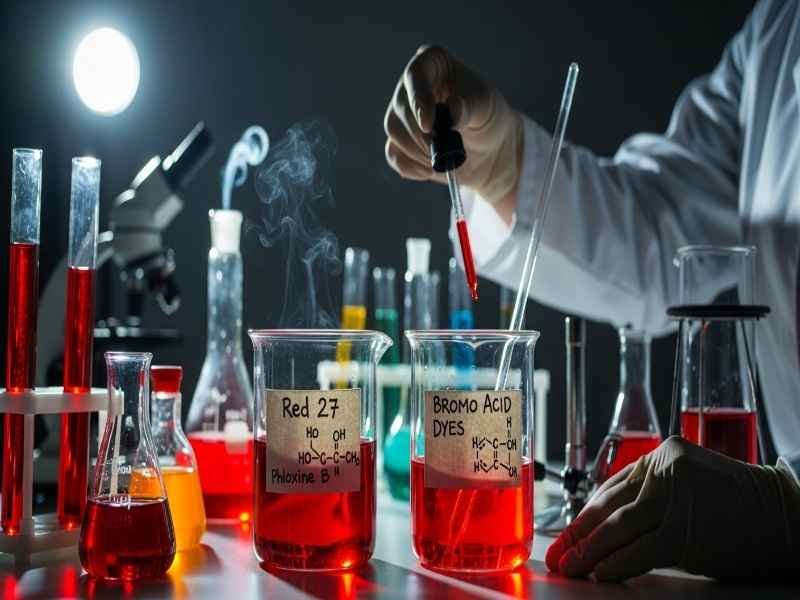
The Secret Ingredient: Red 27 and Bromo Acid Dyes
The “magic” behind these products is usually an ingredient called Red 27 (or other Bromo Acid dyes). Unlike traditional pigments that provide instant color, these dyes are colorless when dissolved in an anhydrous (water-less) base like a lipstick tube or balm.
To understand the base of these products, check out our Lipstick Ingredients Explained guide. When the product touches your lips, it reacts with the moisture and the specific pH level of your skin. This shift in environment triggers the dye to “bloom,” revealing its hidden pink or red hue.
The Bromo Acid Reaction
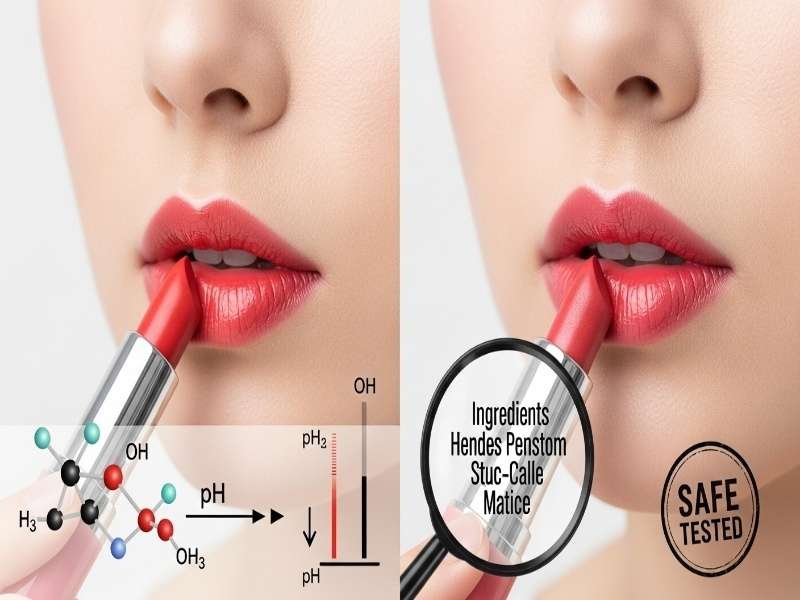
When we look at How do pH-reacting colorants change look, we are seeing a change in the molecule’s solubility. In the tube, the dye is “latent.” On your lips, the acidic environment (human skin typically has a pH of 4.5 to 5.5) flips a chemical switch. This is a very different process compared to traditional pigments, which you can learn about in our Dyes vs. Lakes: Which Lipstick Colorants Last Longer in 2026? comparison.
Why the Color is Different for Everyone
The reason these are called Personalized lip shade trends USA favorites is that no two people have the exact same lip pH or moisture level.
- Moisture Levels: If your lips are dry, the color may appear lighter. If they are well-hydrated, the dye reacts more fully. This is why we always recommend a Lip Balm vs. Lip Mask for Lipstick Prep to ensure your pH-reacting product has a smooth canvas.
- Skin Temperature: While pH is the main trigger, the heat of your skin also speeds up the reaction.
- Natural Lip Tone: The final shade is a combination of the dye and your natural undertone. This explains Why Lipstick Changes Color on Pigmented Lips even when the product claims to be “universal.”
Science of Color-Changing Lipstick: Is It Safe?
Many women in the USA are now asking about Bromo acid dyes in cosmetics safety. Because these dyes are synthetic, there is a valid concern about long-term use. In 2026, the Best pH-balanced lip care 2026 standards ensure that these dyes are purified to prevent irritation.
However, since Red 27 is a dye, it “stains” the skin. This longevity is great, but it can be drying for some. If you have a history of reactions, you should look at Is Your Pout Safe? 5 Tips to Choose Safe Lipstick Pigments Now! to see if mineral alternatives might be a better fit for your sensitive skin.
How to Style Your pH-Reacting Look
The science of color-changing lipstick is perfect for the “No-Makeup” makeup look that is dominating Customized beauty solutions 2026.
- The Gradient Effect: Apply the pH-reacting balm to the center of the lips for a natural flush.
- The Base Coat: Use it as a base under a sheer gloss. As the gloss wears off, the pH stain remains.
- Layering: If you want more intensity, you can How to Layer Stains? Master the Art of Long-Lasting Colorants Now in 2026 by applying the pH product, waiting for it to change, and then adding a second layer.
Final Thoughts: The Chemistry of Your Unique Pout
So, how do pH-reacting colorants change look? They work by partnering with you. It is one of the few beauty products that requires your specific biology to complete the formula. In an era of mass-produced beauty, Personalized lip shade trends USA offer something rare: a color that is truly yours.
At WomenClassy, we believe the best kind of magic is the kind you can explain with a little bit of science. Stay curious, stay unique, and always stay classy!
❓ Frequently Asked Questions
How do pH-reacting colorants change look? They contain Bromo Acid dyes like Red 27. These dyes are colorless in the tube but change structure and become vibrant when they come into contact with the moisture and pH (acidity) of your skin.
Is color-changing lipstick safe for daily use? Generally, yes. Most Bromo acid dyes in cosmetics safety tests show they are safe for topical use. However, because they are dyes, they can be slightly drying, so it is best to use a hydrating lip mask at night. How pH-Reacting Colorants Change Look.
Why does the color look different on my friend than on me? This is the core of the science of color-changing lipstick. Your friend has a different lip pH, different moisture levels, and a different natural lip base color, all of which change how the dye develops. How pH-Reacting Colorants Change Look.
What are the best pH-balanced lip care 2026 trends? The biggest trend is the “Hybrid Oil-Stain.” These products provide the deep hydration of an oil while using pH-reacting colorants to leave a long-lasting stain.
Does the color change based on my mood? Not directly. While some marketing calls them “mood lipsticks,” the color actually changes based on physical factors like temperature and pH, which can sometimes fluctuate when your body temperature rises due to emotions. How pH-Reacting Colorants Change Look.