That moment at the beauty counter is all too familiar. You’re drawn to the soft pinks—the section that promises a gentle, feminine touch. Your hand hovers between two equally beautiful bullets: one, a delicate, almost ethereal baby pink; the other, a rosier, more alive blush pink. They both promise a fresh, natural look, but which one will deliver it for you? Choosing between Blush and Baby Pink Lipstick isn’t about a trend; it’s a nuanced decision that hinges on your skin’s unique dialogue with color. The right choice enhances your natural beauty seamlessly, while the wrong one can leave you looking washed out or overly made-up.
As your beauty editor, I’ve guided countless women through this exact decision. The goal is always the same: to find the pink that looks like it was made for you, creating that coveted “I woke up like this” glow. This 1200-word guide is your personal consultation. We’ll move beyond simple swatches and dive into professional tips on undertones, application techniques, and lifestyle pairing to ensure your choice results in the freshest, most natural look possible. For a foundational map of the entire pink spectrum, begin your journey with our comprehensive Pink Lipstick Shades: The Complete Guide, a cornerstone resource from the experts at WomenClassy.
Blush and Baby Pink Lipstick: How to Choose the Right Soft Pink Shade for a Natural Look
The Pro’s First Question: What’s the Desired Effect?
Before considering skin tone, a makeup artist’s first question is about intent. Understanding the inherent vibe of each shade is crucial for a natural look.
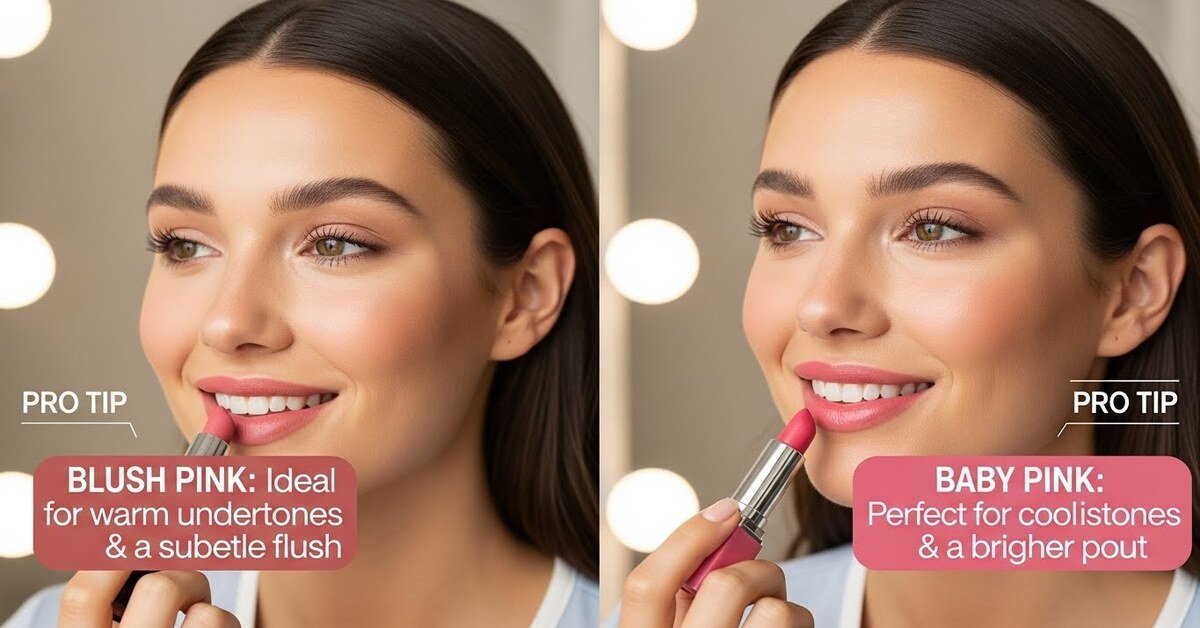
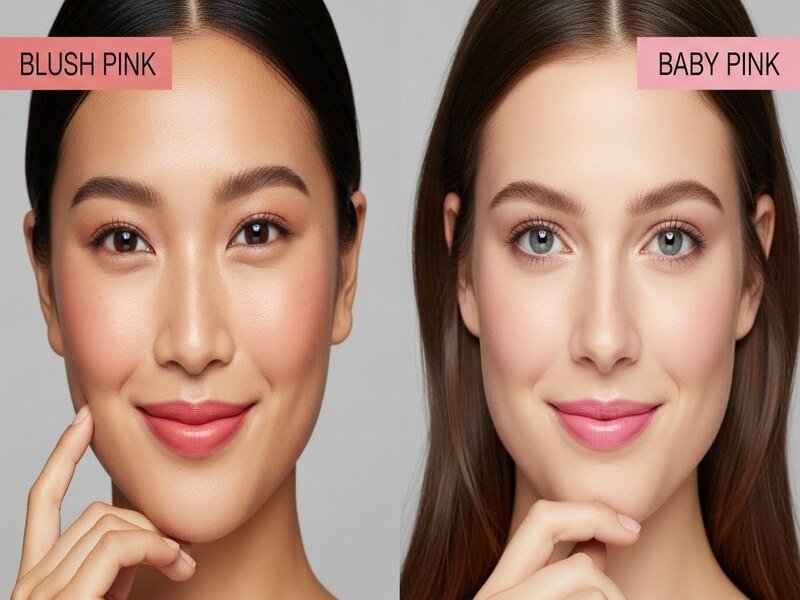
- Blush Pink Lipstick: For Polished, “Healthy Glow” Natural. This shade is designed to replicate your body’s own flush. As detailed in our focused guide on Blush Pink Lipstick, it mimics the color your cheeks turn when you’re slightly exercised or exhilarated. Its purpose is enhancement and balance. It adds life and warmth to the entire face, tying your features together with a polished yet believable touch of color. Think of it as the finishing touch of a skincare-forward routine.
- Baby Pink Lipstick: For Soft, “Pretty Pop” Natural. This shade operates differently. It’s lighter and often has a pastel quality compared to your natural lip color. Its goal is to brighten and add a focal point of soft, sweet color. The “natural” look it creates is more ethereal and intentionally pretty—like the flush of a first crush. It’s a deliberate choice for a gentle, feminine aesthetic.
Pro Tip: For the most universally natural look, blush pink is typically the safer, more flattering choice as it works with your skin’s natural coloring. Baby pink requires more precise matching to avoid looking separate from your face.
The Non-Negotiable Rule: Your Skin’s Undertone
This is the most critical professional filter. The undertone—the subtle color beneath your skin’s surface—will make or break the natural effect. For an in-depth tutorial, our guide on lipstick undertones explained is essential reading.
- If you have Cool (Pink or Red) Undertones: You need pinks with a blue, violet, or rosy base. A cool-toned blush pink will look like it’s rising from within your skin. A cool baby pink (think cotton candy) can work if you’re very fair, but it must be sheer.
- If you have Warm (Yellow or Golden) Undertones: You need pinks with a peach, coral, or apricot base. A warm blush pink will give you a sun-kissed, healthy radiance. A warm baby pink (a peachy whisper) is possible, but often a blush pink with warmth is more naturally flattering.
- If you have Neutral or Olive Undertones: You have the widest range. Neutral pinks (balanced between warm and cool) are your best bet for a seamless look. Muted, dusty rose (blush) or soft mauve-pink (baby) shades often look like they were custom-blended for you.
Ignoring undertone is the #1 mistake that leads to a pink looking “off,” ashy, or garish instead of natural.
The Pro’s Matchmaking Guide: Skin Tone + Undertone = Your Perfect Pink
Let’s apply the undertone rule to your skin’s depth. This table synthesizes pro advice for a fail-safe natural look. The principles here align with the systems in our article on how to pick the perfect lipstick shade.
| Your Coloring | Pro Recommendation for a Natural Look | Key Reasoning & Application Secret |
|---|---|---|
| Fair Skin, Cool Undertones | Blush Pink (Cool-toned). A light, rosy blush pink. | Adds necessary color without pallor. Avoid stark white-based baby pinks. Apply sheerly with a finger for a stain. |
| Fair Skin, Warm Undertones | Blush Pink (Warm-toned). A peachy-nude or “tea rose” pink. | Warms the complexion perfectly. Cool baby pinks will clash. Use a balm formula for a “blurred lip” effect. |
| Medium Skin, Cool Undertones | Either, with caution. A berry-blush pink is stunning. A pigmented mauve baby pink can work. | You have more pigment to balance color. For baby pink, line and fill lips with a nude liner first to ensure true color payoff. |
| Medium Skin, Warm Undertones | Blush Pink (Warm-toned). A coral-pink or terracotta-rose. | This is a pro favorite combo—incredibly flattering and natural. Baby pink often lacks enough depth. Creamy formulas melt in beautifully. |
| Deep Skin, Cool Undertones | Blush Pink (Cool & Deep). A rich berry, magenta, or plum-rose. | Creates a gorgeous, natural-looking contrast. Pastel baby pinks are not recommended. Blot a glossy formula for a vibrant, stained finish. |
| Deep Skin, Warm Undertones | Blush Pink (Warm & Deep). A caramel-pink, bronze-rose, or brick-pink. | Complements golden undertones magnificently. Sheer, shiny tints over a brown liner create the most natural depth. |
Pro Application Techniques for an “I’m Not Wearing Lipstick” Finish
The formula and how you apply it are half the battle for a natural look. Explore your options in our guide to lipstick finishes explained.
- For Blush Pink: The goal is a diffused, blotted effect.
- Start with exfoliated, moisturized lips.
- Dab the bullet directly onto the center of your bottom lip.
- Press your lips together to transfer color.
- Use your finger to gently pat and blur the color outwards, eliminating any hard lines. This mimics how a natural flush spreads.
- For Baby Pink: The goal is clean, bright color that doesn’t look painted on.
- Prep is even more critical—smooth lips are a must.
- For a true color, apply a tiny dot to the center and blend outwards with a finger for a wash of color.
- For full coverage, use a lip brush for precise application, then immediately press a tissue to your lips to remove excess product and reduce shine, leaving a soft matte finish.
The Lifestyle Test: Which Pink Fits Your Day?
Finally, a pro considers your daily life. This is the ultimate tip for choosing between Blush Pink and Baby Pink Lipstick:
- For Work, Errands, & Everyday (The “Grab-and-Go” Test): Blush pink wins. It’s lower maintenance, more forgiving if it fades unevenly, and pairs effortlessly with everything in your wardrobe. It’s the definition of a reliable staple, much like the classic shades in our guide to nude lipstick shades.
- For Dates, Special Occasions, & Intentional Style (The “Mood-Setting” Test): Baby pink can shine. If it matches your undertone, it’s perfect for creating a specific soft, romantic, or playful vibe. It’s a choice, not just a default.
The Final Pro Verdict
Choosing between Blush Pink and Baby Pink Lipstick for a fresh, natural look comes down to this: Blush pink is your tool for enhancement; baby pink is your tool for expression.
For most people seeking a reliable, day-to-day natural look that enhances their features, a blush pink matched to your undertone is the professional-grade choice. It’s the workhorse that will make you look refreshed, balanced, and polished with minimal effort.
If your heart is set on the delicate charm of baby pink, ensure you pass the undertone and skin depth test (it favors fair/light, cool-toned skin), and be prepared to apply it with a light, strategic hand.
Trust that the right shade will feel effortless. It won’t be the first thing people notice about you; it will simply make everything about you look better.
FAQs: Choosing Between Blush & Baby Pink for a Natural Look
1. I want a “no-makeup makeup” look. Which pink should I use?
Blush pink is the definitive choice for this aesthetic. Its purpose is to mimic skin, not sit on top of it. Apply it with your finger for a sheer, stained effect that looks like your natural lip color, just better.
2. Can I wear baby pink naturally if I have warm undertones?
It’s challenging but possible with the right shade. You must choose a “warm baby pink” with clear peach or apricot notes. Avoid anything with a blue or white base, as it will look chalky and unnatural against warm skin.
3. How do I keep my natural pink lipstick from fading?
For blush pink, the blotted application method naturally creates a longer-lasting stain. For any pink, after applying, blot with a tissue, then lightly dust translucent powder over the tissue onto your lips. Reapply a thin layer on top. This “sandwiches” the color for extended wear.
4. Is a matte or glossy finish more natural?
For a true-skin finish, satin or cream formulas are most natural. They have a slight sheen that mimics healthy lips. Very matte finishes can look dry, and very glossy finishes can look intentionally “done.” A blotted matte or a subtle gloss can work beautifully.
5. What if I can’t decide? Can I mix them?
Absolutely! This is a pro secret. Try applying a blush pink as your base for warmth and depth, then dabbing a little baby pink just in the center of your lips and blending. This creates a custom, dimensional pink that’s uniquely yours.
📚 Build Your Pro Knowledge: