If you’ve ever reached for a lip balm at night and flipped it over to scan the ingredients, chances are you’ve seen castor oil listed somewhere near the top. Maybe you’ve even tried applying pure castor oil directly to your lips after hearing it’s “natural” and “healing.” But then the doubt creeps in — Is Castor Oil Safe for Lips, really? Or is it just another internet beauty trend?
This question comes up more often than you might think, even inside dermatology clinics. Lips are delicate, reactive, and very different from the rest of our skin. What works beautifully on hands or cuticles doesn’t always belong on the lips. That’s why dermatologists approach castor oil with a mix of appreciation and caution — not fear, not hype.
Let’s break it down properly, using science, real-world formulation logic, and dermatologist-backed insight.
Why Lip Safety Is a Bigger Deal Than You Think
Your lips don’t have oil glands. That alone makes them more vulnerable than the rest of your face. They lose moisture faster, react more quickly, and absorb ingredients more directly.
That’s why dermatologists often evaluate lip ingredients differently than skin ingredients. When patients ask Is Castor Oil Safe for Lips, the real question underneath is usually:
“Is it safe for repeated, long-term use on such a sensitive area?”
Castor oil’s answer depends on how it’s used, what type it is, and what it’s paired with.
What Castor Oil Actually Is (Dermatologist Perspective)
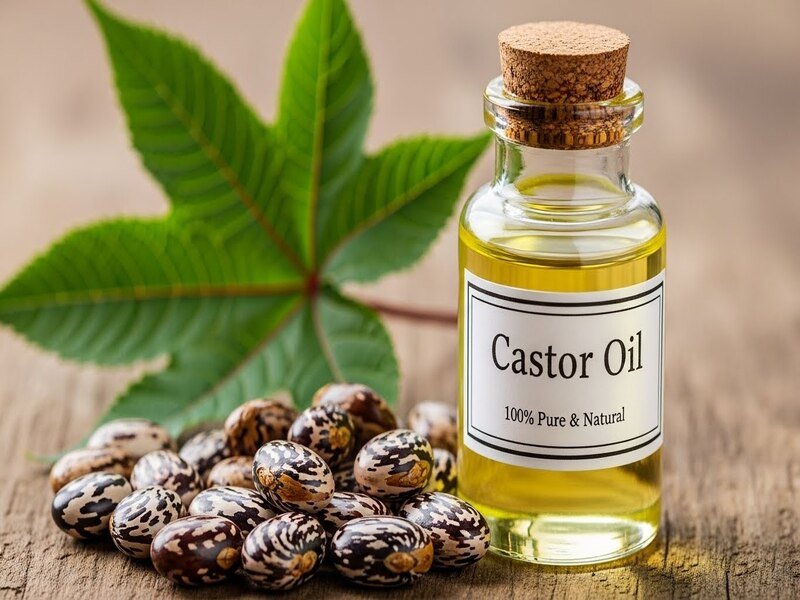
Castor oil is a plant-derived oil extracted from castor beans. In cosmetics, it’s valued for being thick, glossy, and excellent at binding pigments and smoothing texture.
Dermatologists don’t see castor oil as a “treatment” ingredient. Instead, they see it as a support ingredient — one that helps reduce moisture loss and improve comfort.
In lip products specifically, Castor Oil in Lipstick is widely used because it:
- Improves glide
- Enhances pigment payoff
- Creates a soft protective barrier
From a safety standpoint, this matters because formulation context changes everything.
Is Castor Oil Safe for Lips According to Dermatologists?
Short answer: Yes — for most people, when used correctly.
Dermatologists generally consider castor oil lip-safe when:
- It is cosmetic-grade
- Used in properly formulated products
- Not combined with irritating fragrances or allergens
The concern isn’t castor oil itself — it’s how people use it.
Applying raw oils without understanding formulation balance is where issues can arise.
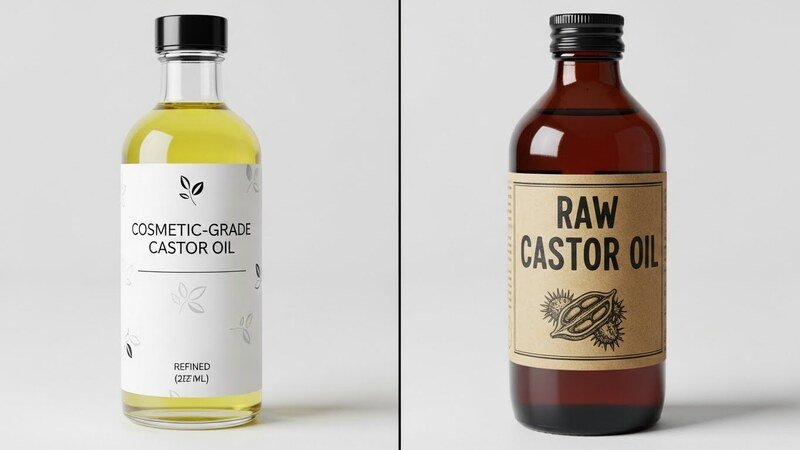
Cosmetic-Grade vs Raw Castor Oil: A Crucial Difference
One thing dermatologists emphasize is grade matters.
- Cosmetic-grade castor oil is refined, filtered, and tested for skin use.
- Industrial or unrefined versions may contain impurities.
This distinction is especially important for lips, which absorb ingredients more easily.
In professionally formulated lip products, castor oil is carefully balanced with waxes and stabilizers. This balance is explained clearly in wax in lipstick, where oil structure plays a key role in safety and performance.
Why Castor Oil Is Common in Lipsticks (Not Just Balms)
Many people assume castor oil belongs only in lip balms. Dermatologists disagree — when formulated correctly, it’s extremely useful in color cosmetics.
In fact, Is Castor Oil Safe for Lips becomes easier to answer when you understand why brands keep using it.
Castor oil helps:
- Prevent pigments from clumping
- Reduce dragging on dry lips
- Improve comfort during long wear
You can see how its behavior changes across textures in castor oil in matte vs cream lipstick, where oil levels are adjusted for performance.
Can Castor Oil Irritate Lips?
For most people, no. But dermatologists always add an important caveat: individual sensitivity exists.
Castor oil can cause irritation if:
- You have a known sensitivity to ricinoleic acid (rare, but possible)
- It’s applied excessively as a standalone oil
- It’s layered under drying or fragranced products
That’s why dermatologists prefer castor oil inside formulations, not as a DIY overnight mask used daily.
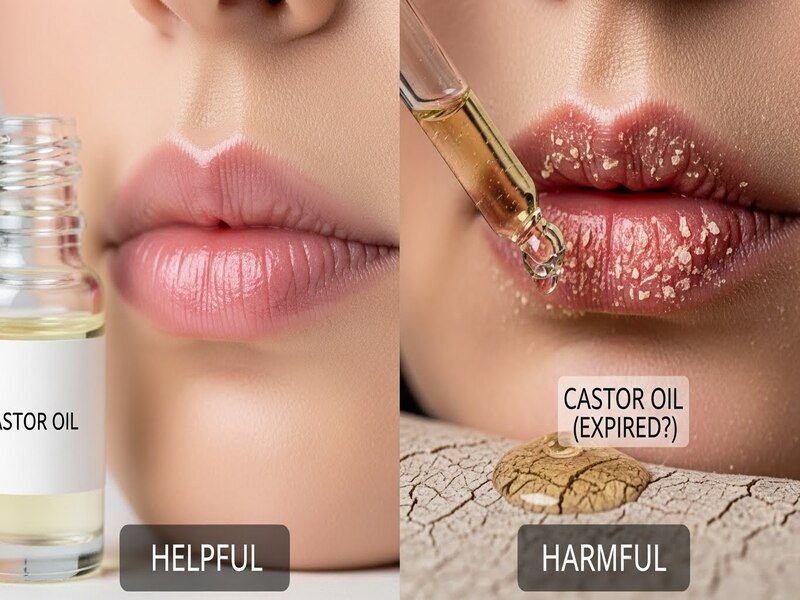
Castor Oil for Dry, Cracked Lips: Helpful or Harmful?
Here’s where nuance matters.
Castor oil is occlusive, meaning it helps seal moisture in — but it doesn’t add water on its own.
Dermatologists recommend it:
- After hydration (like damp lips or humectant use)
- As part of a balanced lip product
Using castor oil alone on severely dehydrated lips can sometimes seal in dryness, not fix it.
That’s why most effective formulas pair castor oil with other oils, such as in jojoba oil in lipstick, which mimics natural skin lipids and improves flexibility.
Is Castor Oil Safe for Daily Lip Use?
For the majority of users, yes.
Dermatologists generally agree daily exposure through lipsticks and balms is safe because:
- The concentration is controlled
- The oil is stabilized
- It’s tested for repeated contact
Concerns usually arise only with pure oil overuse, not with professionally formulated products.
This is why dermatologist advice often aligns with ingredient education, as explained in lipstick ingredients explained.
Myths Dermatologists Commonly Hear About Castor Oil
One popular myth is that castor oil is “too heavy” for lips. In reality, heaviness depends on formula balance, not the oil alone.
Another myth is that “natural equals safer.” Dermatologists strongly disagree. Safety comes from testing and formulation, not ingredient origin — a point discussed in organic vs chemical lipsticks.
You’ll also find many exaggerated claims online, which is why separating facts from fear matters — something we address in lipstick myths vs facts.
What Dermatologists Actually Recommend
Most dermatologists advise:
- Use castor oil within lip products, not as a standalone daily treatment
- Avoid fragranced DIY mixtures
- Patch test if you have sensitive skin
- Focus on barrier repair, not just shine
When used correctly, castor oil is a supportive, not risky, ingredient.
Final Verdict: Is Castor Oil Safe for Lips?
For most people, the answer is yes — confidently yes.
Dermatologists view castor oil as a functional, well-studied ingredient that supports comfort, wear, and protection when used properly. Problems usually come from misuse, not from the oil itself.
Understanding formulation context is what turns concern into confidence.
FAQs
Is castor oil safe for lips every day?
Yes, when used in cosmetic-grade lip products designed for daily wear.
Can castor oil darken lips?
No. There’s no dermatological evidence linking castor oil to lip darkening.
Is pure castor oil better than lipstick formulas?
Not necessarily. Dermatologists usually prefer balanced formulations over raw oils.
Can castor oil cause lip allergies?
Rarely, but possible. Patch testing is recommended for sensitive users.
Why do so many lipsticks contain castor oil?
Because it improves pigment dispersion, glide, and comfort without compromising safety.