When it comes to makeup, the difference between an average look and a professional one often lies in the fine details. For many, that detail is a perfectly carved lip. Achieving sharp edges is a struggle because lipstick formulas are designed to be emollient, making them prone to slipping. This is where mastering various lip definition methods becomes essential for anyone wanting a polished, high-end finish.
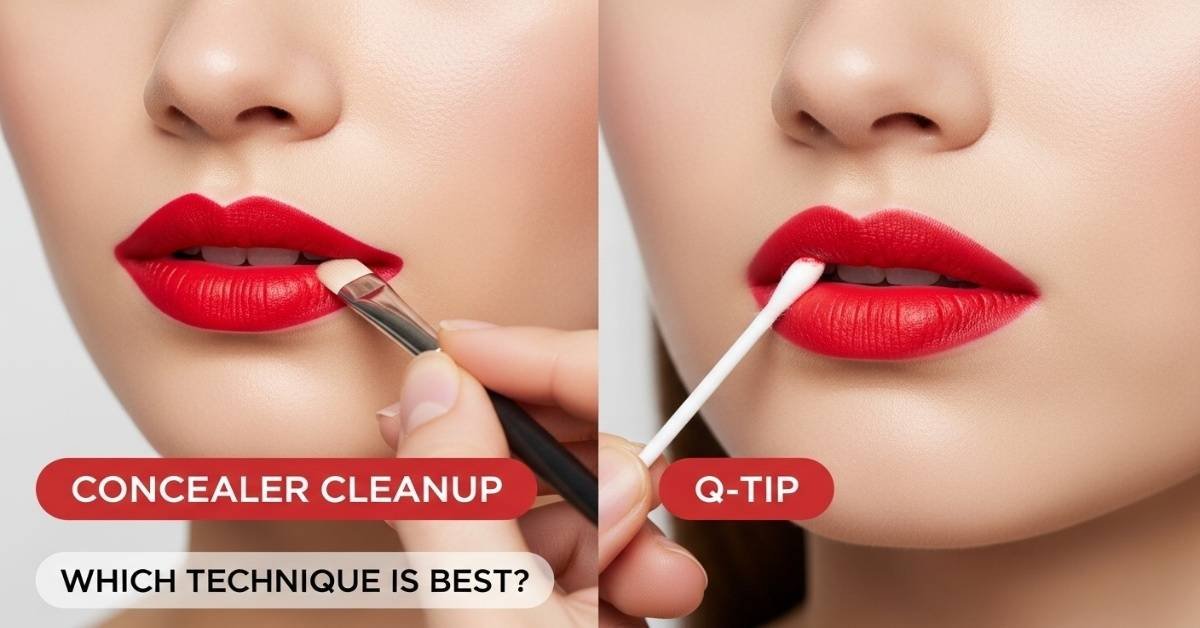
The two most debated techniques in the beauty community are the Concealer Cleanup and the Q-Tip Method. One relies on surgical precision and coverage, while the other focuses on clean, physical removal. Because lipstick bleeds outside your lip line so easily—especially with bold reds and deep berries—knowing which of these lip definition methods to use is the secret to a smudge-free day.
In this deep dive, we compare the pros, cons, and professional applications of these two techniques to help you decide which one belongs in your makeup bag.
This comparison is part of our Lipstick Comparisons series, designed to help you choose the right prep methods before applying lipstick.
Understanding Professional Lip Definition Methods
Before we choose a winner, we must define what we are trying to achieve. The goal of all lip definition methods is to create a clear contrast between the pigment of the lipstick and the natural tone of your skin.
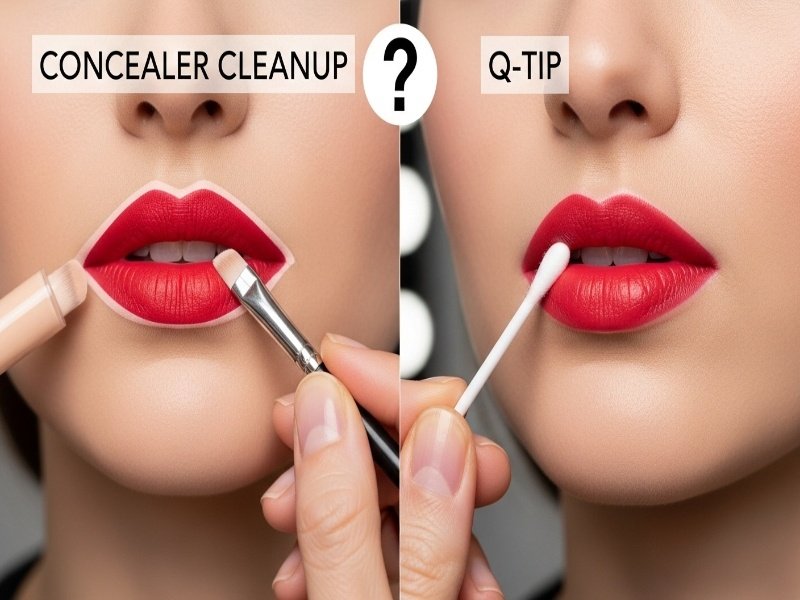
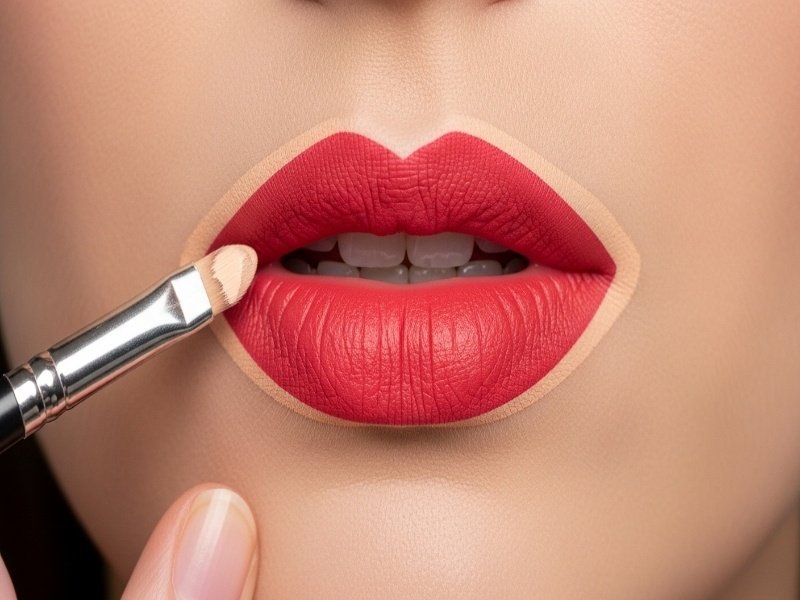
- Concealer Cleanup: This involves using a synthetic brush and skin-toned concealer to “paint” over any mistakes, effectively carving the lip shape.
- The Q-Tip (Cotton Swab) Method: This involves using a cotton bud, usually dipped in micellar water, to physically erase the stray pigment from the skin.
While both serve to fix errors, they provide different aesthetic results. One is about “covering,” and the other is about “clearing.”
Method 1: The Concealer Cleanup (The Sculptor’s Tool)
Makeup artists often treat concealer like an eraser that also highlights. This is one of the most popular lip definition methods for red carpet looks because it makes the lips “pop” against the skin.
Why It Works
By applying a layer of concealer right against the lip border, you are creating a physical barrier. If you have already mastered how to clean up lip lines like a pro, you know that this method hides redness and creates a razor-sharp edge that looks almost filtered.
Best Used For:
- Bold, dark, or vibrant colors.
- Correcting asymmetrical lip shapes.
- Photoshoots where every millimeter of the lip line is visible.
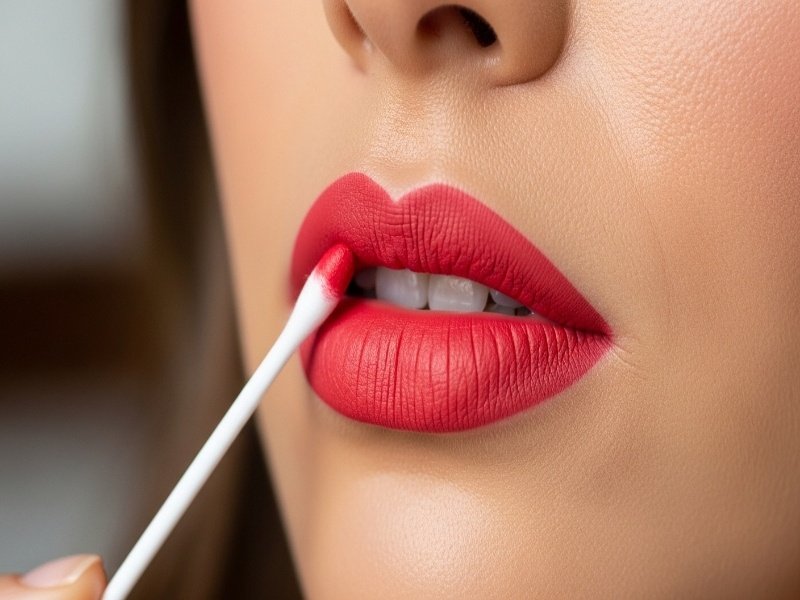
Method 2: The Q-Tip Technique (The Minimalist’s Choice)
A Q-tip (cotton swab) is the simplest of all lip definition methods. It is fast, requires no extra makeup products, and is perfect for those who want a “clean” but not overly “done” look.
Why It Works
Instead of adding a new layer of product (like concealer), you are simply removing the excess color. This is ideal if you are wearing a light foundation or no foundation at all, as it won’t leave a visible ring of heavy product around your mouth.
Best Used For:
- Everyday “no-makeup” looks.
- Sheer lipsticks or tinted balms.
- Fixing a quick smudge while you are on the go.
Concealer vs. Q-Tip: The Direct Comparison
When comparing these lip definition methods, we have to look at the finish.
| Feature | Concealer Method | Q-Tip Method |
| Sharpness | 10/10 (Razor Sharp) | 7/10 (Clean but soft) |
| Difficulty | High (Requires a brush) | Low (Anyone can do it) |
| Longevity | Prevents future bleeding | Only fixes current smudge |
| Best For | Full Glam / Red Lips | Natural / Nude Lips |
Common Mistakes in Lip Definition
Even the best lip definition methods can fail if you make these common errors:
- Using a Shimmering Concealer: Never use a highlighting concealer with shimmer around the mouth. It will make your “mustache” area look shiny and sweaty.
- Using a Dry Q-Tip: A dry cotton swab can be abrasive and might just smear the lipstick instead of lifting it. Always use a tiny drop of micellar water.
- Applying Too Much Pressure: If you press too hard with the brush or swab, you will remove your foundation along with the lipstick, leaving a patch of bare skin.
How to Choose the Best Method for You
If you are wearing a bold, matte liquid lipstick, the Concealer Cleanup is undoubtedly the best of the lip definition methods. Liquid lipsticks dry down quickly, and trying to “wipe” them with a Q-tip often results in a stained, pink smudge that won’t go away.
On the other hand, if you are wearing a classic bullet lipstick or a creamy formula, the Q-Tip Method is often enough to keep things looking tidy without the need for a heavy makeup application.
Final Thoughts: Crisp Edges for a Confident Smile
Mastering different lip definition methods is about having more than one tool in your arsenal. Some days require the heavy-duty precision of concealer, while other days just need a quick swipe with a cotton swab to look fresh.
By understanding the difference between these techniques, you ensure that your lipstick always looks intentional and polished. No more worrying about blurry edges or accidental smudges!
Complete your makeup education: If you’re ready to see the step-by-step breakdown of the winning technique, check out our master guide on how to clean up lip lines like a pro.
Or, if you’re still struggling with why your color is moving in the first place, revisit our guide on why lipstick bleeds outside your lip line to stop the problem at the source!
❓ Frequently Asked Questions (PAA Style)
What is the best way to stop lipstick from bleeding?
The best way is to combine lip definition methods with a solid base. Start with a waxy lip liner to create a dam. After applying lipstick, blot with a tissue and set the edges with a tiny amount of translucent powder. This prevents the oils in the lipstick from traveling into fine lines.
What makeup technique is recommended for enhancing full lips?
For fuller lips, “Overlining” combined with the Concealer Cleanup method is highly recommended. By overlining slightly with a pencil and then using concealer to sharpen the outer edge, you create a 3D effect that makes the lips look naturally larger without looking messy.
Which form of concealer is best for lip definition?
For sharpening edges, a cream concealer or a high-coverage liquid concealer is best. You want a formula that isn’t too “runny” so that it stays exactly where the brush places it.
What is better, liquid concealer or stick?
For lip definition methods, liquid concealer with a matte finish is usually better because it is easier to blend into the surrounding foundation. Stick concealers can sometimes be too thick, making the lip border look “cakey” when you smile or move your mouth.
What do doctors recommend instead of Q-tips?
In a medical context (like ear cleaning), doctors advise against Q-tips. However, in the beauty world, Q-tips are perfectly safe for external skin use. If you are looking for an eco-friendly alternative, reusable silicone swabs or a precision makeup brush dipped in cleanser can be used.
What is the best way to apply liquid concealer for cleanup?
Use a flat, synthetic “definer” brush. Apply a small amount of liquid concealer to the back of your hand, coat the brush, and then use short, sweeping strokes to trace the outer edge of your lipstick.
How to keep lipstick from bleeding into lip lines?
Aside from using a liner, ensure your skin is hydrated but not oily. If you have deep wrinkles, use a silicone-based primer before your lipstick. This fills the “tunnels” that cause pigment to migrate.
What does lipstick feathering mean?
Feathering is the term used when lipstick “bleeds” into the fine vertical lines around the mouth, creating a jagged, uneven appearance that resembles the edge of a feather.
What is the best lip liner that doesn’t bleed?
Look for “waterproof” or “long-wear” wax-based liners. These formulas set quickly and create a permanent barrier that even the creamiest lipsticks cannot cross.