Have you ever applied a lipstick and immediately thought, “Why does this look wrong on me?”
Not too bright. Not too dark. Just… off.
If you have neutral undertones, this confusion is more common than you think. One shade looks perfect in the tube, another looks great on a friend—but on you, the same lipstick feels heavy, dull, or oddly mismatched. That’s usually not a product problem. It’s a shade selection problem.
Understanding Lipstick Shades to Avoid for Neutral Undertones is the missing piece most people overlook. Neutral skin doesn’t reject lipstick—it reacts to extremes. When a shade leans too warm, too cool, too brown, or too gray, it instantly disrupts balance and makes the lipstick look “wrong,” even if it’s trending or highly rated.
In this guide, we’ll break down why certain lipstick colors clash with neutral undertones, the common shade mistakes people keep repeating, and which colors you should skip entirely if you want your lipstick to finally look natural, polished, and intentional.
Why Does My Lipstick Look Different on Me
Have you ever tried a lipstick that looked flawless in the tube—or stunning on someone else—but somehow felt wrong on you? Not too warm, not too cool… just off. Lipstick Shades to Avoid for Neutral Undertones
If you’ve ever asked yourself “Why doesn’t any lipstick suit me?” or “Should your lipstick match your undertone?”—you’re not alone.
For people with neutral undertones, the issue usually isn’t finding flattering shades. It’s unknowingly wearing the wrong ones. Understanding Lipstick Shades to Avoid for Neutral Undertones is just as important as knowing which shades work.
First Things First: What Are Neutral Undertones?
Neutral undertones sit between warm and cool—meaning your skin doesn’t strongly pull yellow or pink. That balance gives flexibility, but it also means extreme shades show up faster.
If you’re unsure where you fall, this guide on warm vs cool undertones explains the undertone spectrum clearly, and do you have neutral undertones helps you identify subtle signs.
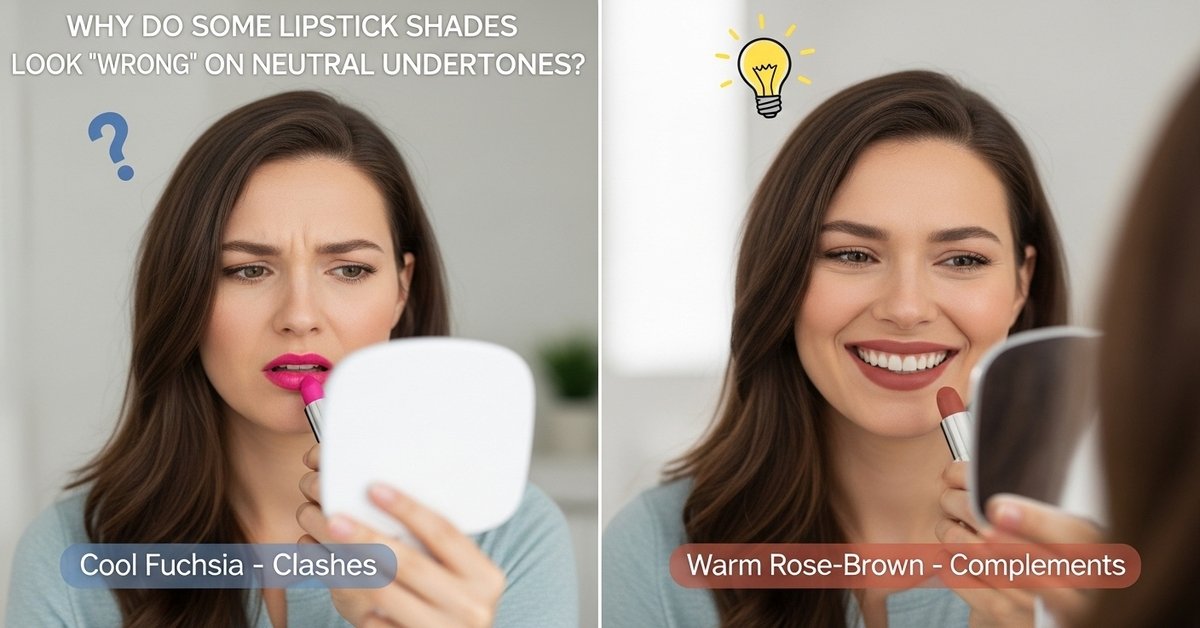
Why Some Lipstick Shades Look “Wrong” on Neutral Undertones
Neutral undertones react badly to extremes. When a lipstick leans too warm, too cool, too brown, or too gray, it breaks harmony with your skin.
This is why people with neutral undertones often say:
- “The color looks heavy”
- “My face looks dull”
- “It changes color after applying”
These reactions are classic signs you’re wearing lipstick shades to avoid for neutral undertones, not that lipstick doesn’t suit you.
Lipstick Shades to Avoid for Neutral Undertones (The Real Culprits)
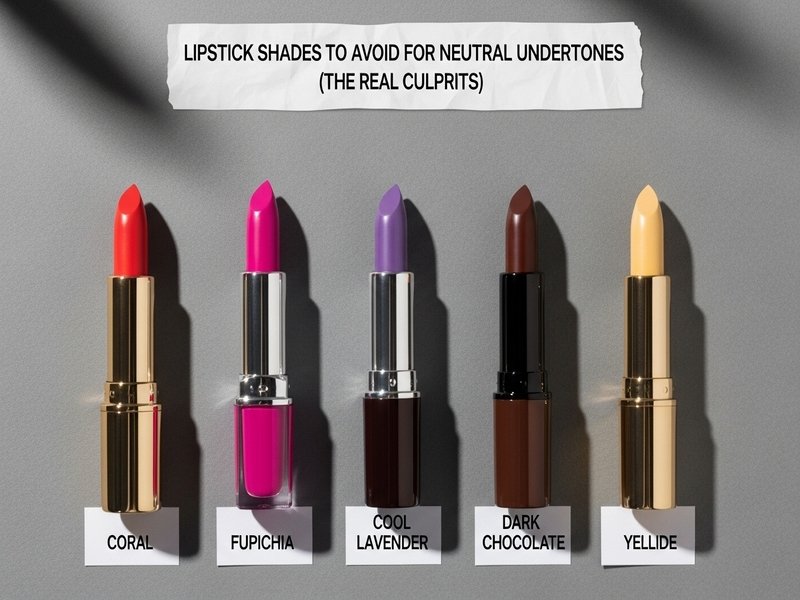
❌ Overly Warm Orange & Coral Shades
While soft peach can work, strong orange-based lipsticks overpower neutral skin and make it look sallow.
This is a common mistake explained when comparing undertones in what are the best lipstick shades for neutral undertones.
❌ Gray or Ashy Nude Lipsticks
Ash-heavy nudes drain life from neutral skin, making lips look flat or lifeless.
Instead of guessing, explore balanced nude options in best nude lipsticks for neutral undertones—they avoid that gray cast completely.
❌ Extremely Cool Purple or Lavender Tones
These shades exaggerate coolness and can make neutral undertones look bruised or artificial.
This is why people often ask “Why does my lipstick look purple on me?”—the undertone mismatch shows immediately.
❌ Brown-Heavy Brick Reds
Reds with too much brown or rust lean warm and dull neutral skin.
If you love red, stick to balanced versions discussed in best red lipsticks for neutral undertones instead.
Why Does My Lipstick Look Different After Application?
This happens because neutral undertones amplify imbalance. A shade that looks fine initially can oxidize or clash once it meets your natural lip pigment.
This is also why lipstick syndrome—where nothing seems to work—often affects neutral undertones the most. It’s not about quantity. It’s about precision.
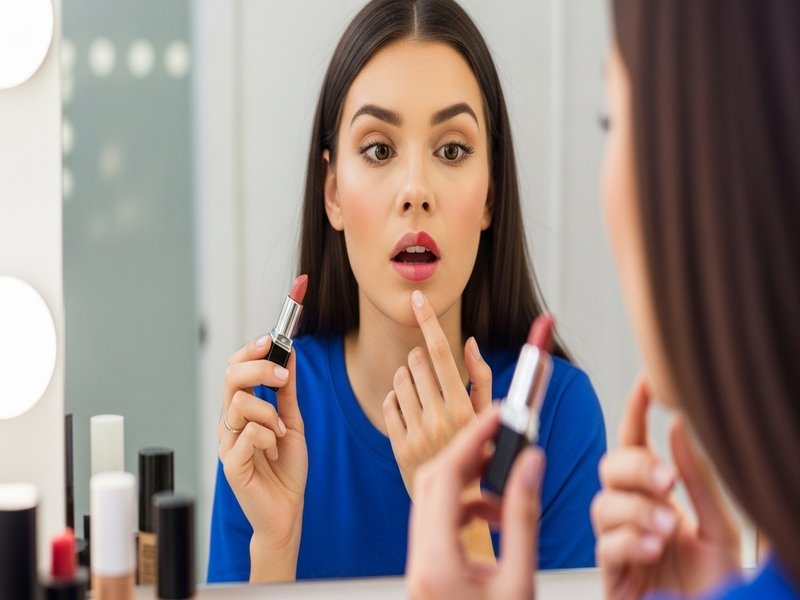
Finish Matters More Than You Think
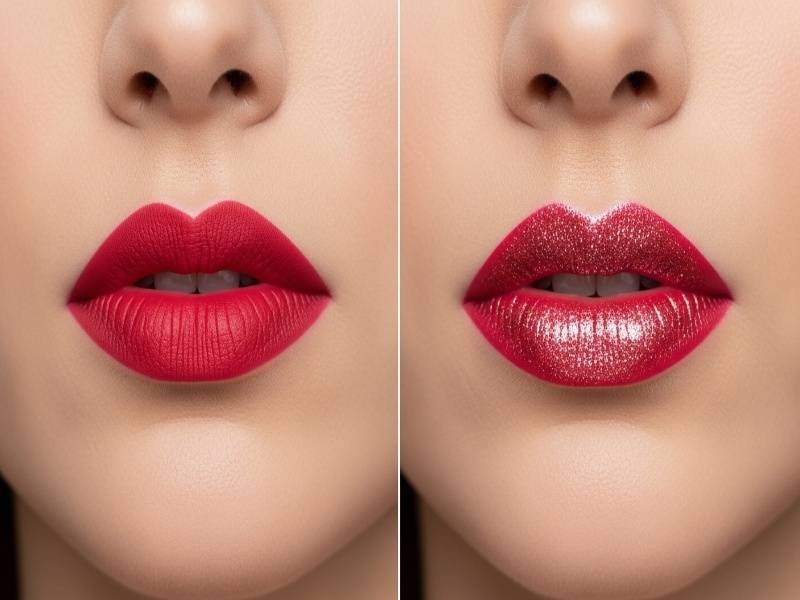
Even the wrong shade behaves differently depending on finish:
| Finish | What Goes Wrong |
|---|---|
| Matte | Makes wrong tones look harsher |
| Cream | Emphasizes undertone imbalance |
| Glossy | Reflects undertone mismatch instantly |
That’s why formula-specific guides like best matte lipsticks for neutral undertones and best glossy lipsticks for neutral undertones matter.
What Shade of Lipstick Is Best for Neutral Undertones?
Balanced shades—not extreme ones.
Soft rose, muted berry, neutral pink, and true reds usually flatter best. You’ll notice these tones don’t “sit on top” of the face—they blend in.
That’s the difference between flattering shades and lipstick shades to avoid for neutral undertones.
Why Do Celebrities Always Stick to Certain Shades?
You might wonder:
- Why does Taylor Swift always wear red lipstick?
Because she chooses balanced reds that complement her undertone—not trendy ones. - What color lipstick did Liz Taylor wear?
Classic rose and red—timeless, undertone-safe choices.
This isn’t fashion—it’s undertone awareness.
What Is the Lipstick Rule (and the French Trick)?
The classic lipstick rule:
If your skin is neutral, your lipstick should never scream warm or cool.
The French lipstick trick every French woman knows?
Choose a shade that looks like a better version of your natural lip color—never a costume.
What Colors Should Neutral Skin Tones Avoid Most?
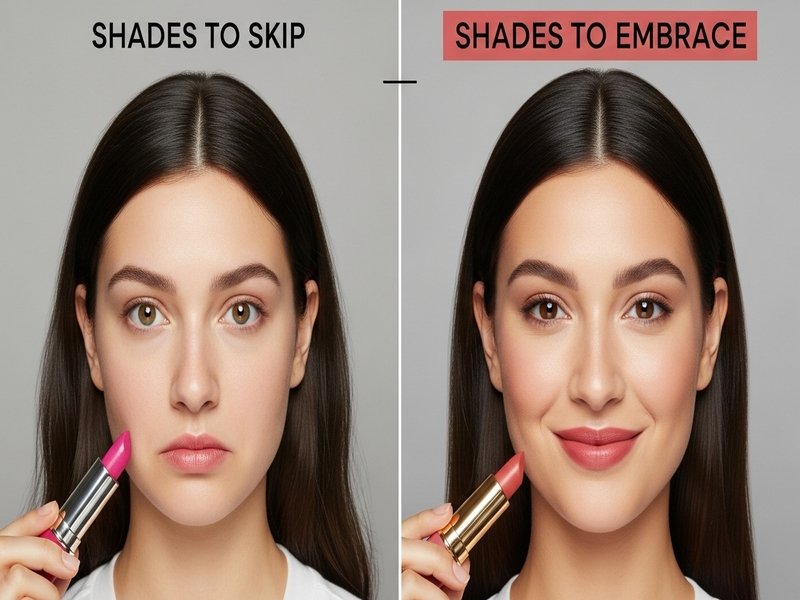
To recap, the biggest lipstick shades to avoid for neutral undertones include:
- Neon corals
- Gray nudes
- Muddy browns
- Blue-heavy purples
- Rusty reds
Skipping these instantly improves how every other shade looks.
Which Lipstick Makes You Look Younger & More Attractive?
Younger-looking lips come from harmony, not brightness. Soft pinks and balanced berries—like those in best berry & plum lipsticks for neutral undertones—add freshness without overpowering.
As for what men find attractive?
Natural-looking lip color always wins over harsh trends.
Final Verdict: Why Skipping the Wrong Shades Changes Everything
The biggest breakthrough for neutral undertones isn’t discovering new shades—it’s learning which ones to stop wearing.
Once you avoid lipstick shades to avoid for neutral undertones, lipstick stops feeling unpredictable and starts feeling effortless.
FAQs
Why doesn’t any lipstick suit me?
Because you’re likely wearing shades that clash with your undertone balance—not because lipstick doesn’t suit you.
Should your lipstick match your undertone?
Yes. Undertone harmony matters more than skin depth.
Which lipstick is best for a natural look?
Neutral pinks, soft roses, and muted nudes.
What color lipstick should an older woman wear?
Balanced cream or satin finishes in rose or berry tones—never gray or overly dark.
Which is the safest lipstick to use daily?
Undertone-balanced nudes or soft pinks with neutral bases.