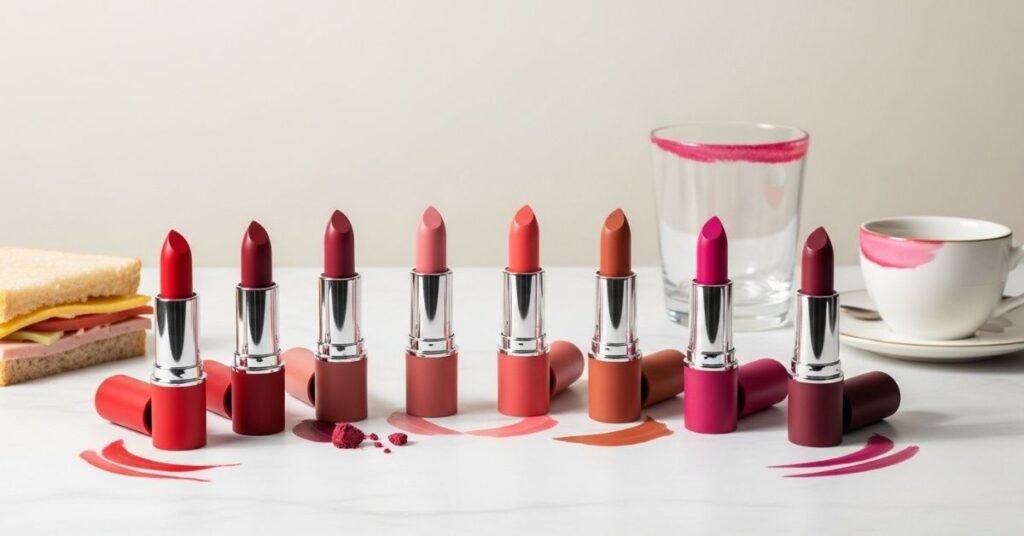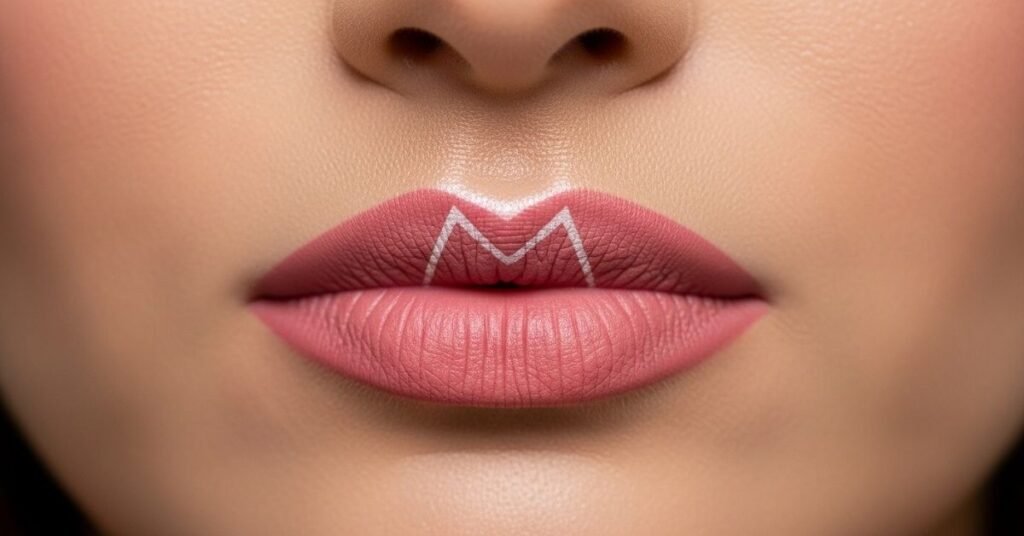
I remember a frantic Monday morning in Dallas when I had exactly five minutes to get ready for a surprise video conference with a new client. I had no time for eyeshadow, contour, or even a proper coat of mascara. I looked pale, tired, and honestly, a bit unfinished. In a moment of desperation, I bypassed my usual sheer gloss and reached for a rich, high-coverage Satin Lipstick. With just two swipes, the transformation was jarring in the best way possible. My skin looked more even, my eyes seemed to pop, and I suddenly looked like I’d spent forty minutes on my makeup instead of forty seconds. It was the ultimate proof that not all lipsticks are created equal.
In 2026, the secret to an effortless “face-lift” isn’t a new foundation; it’s identifying the one lipstick category that can transform your face instantly. For USA women juggling career and life, the right “power category” acts as a focal point that distracts from tired eyes and uneven skin tone. If you’ve ever felt that your makeup looks “flat,” it might be because you are using a formula that doesn’t play well with light. Understanding Which Lipstick Type Looks Best on Everyone is the first step toward finding that “magic” tube that does the heavy lifting for you.
At WomenClassy, we believe in working smarter, not harder, when it comes to your beauty routine.
This beginner-friendly guide is part of our Lipstick Basics series, where we break down everything from what lipstick actually is to how it works, so you can build your knowledge step by step with confidence.
The Power of the “Universal” Finish
Why does one category have so much more impact than others? It comes down to light reflection and pigment density. While sheer balms disappear and heavy mattes can sometimes look “dry” or aging, there is a specific middle ground—the Satin and Cream category—that provides a youthful, healthy sheen. This is precisely why Lipstick Finishes Explained is one of our most important resources; the finish of your lipstick dictates how the rest of your face is perceived.
To ensure this transformative category works for you all day, you have to avoid the “slip” factor. I’ve found that the Center-Out Application is the best way to apply these creamy formulas, as it keeps the bulk of the pigment where you need it most while preventing messy edges. If you’re worried about your new “miracle” shade fading, mastering a simple Lip Priming Technique will lock that transformational glow in place from your first cup of coffee to your evening wind-down.
Why Lipstick Category Matters More Than Shade
Before we reveal the answer, you need to understand one thing.
Lipstick doesn’t sit on a flat canvas. It interacts with:
- Your lip texture
- Your natural lip color
- Your skin undertone
- Your facial features
This is why the same red lipstick can look stunning on one person and harsh on another. The category—meaning finish + formula behavior—controls how the lipstick blends into your face.
This concept is often misunderstood, especially by beginners learning what lipstick really is and how it works.

The One Lipstick Category That Transforms the Face
Here’s the clear answer:
Cream / Satin Lipsticks in Balanced (Neutral-Leaning) Shades
This is the lipstick category that can transform your face for the widest range of people.
Not matte.
Not ultra-glossy.
Not liquid-heavy.
Cream and satin lipsticks sit perfectly between structure and softness—and that balance is what creates instant transformation.
Why This Lipstick Category Works So Well
Let’s break it down simply.
1. It Reflects Light in a Flattering Way
Cream and satin finishes softly reflect light. This:
- Makes lips look fuller
- Softens harsh facial lines
- Adds freshness without shine overload
Matte absorbs light (can look flat), while gloss reflects too much (can look oily). Satin hits the sweet spot.
2. It Adapts to Most Undertones
Neutral-leaning cream lipsticks don’t fight your undertone.
If you’ve ever struggled with warm vs cool shades, this is why cream formulas feel “safer.” They adapt better—something explained in depth in lipstick undertones explained.
That adaptability is a big reason this is the lipstick category that can transform your face instead of overpowering it.
3. It Smooths Lip Texture Instantly
Cream formulas visually blur:
- Fine lines
- Dry patches
- Uneven lip texture
That smoothing effect makes your entire face look more polished—even if you’re wearing minimal makeup.
Which Type of Lipstick Is Most Attractive?
Attractiveness in makeup comes from balance, not intensity.
Makeup artists consistently agree:
- Soft finishes read as more youthful
- Comfortable textures look more natural
- Balanced lips draw attention without distraction
That’s why cream and satin lipsticks are often perceived as the most attractive category—not because they’re dramatic, but because they enhance without effort. One lipstick category that can transform your face instantly.
What Shade of Lipstick Makes You Look Younger?
Here’s the key: finish matters more than shade.
Even deeper shades can look youthful in a cream or satin formula, while light shades can age you in a dry matte finish.
That said, shades that look especially youthful in this category include:
- Soft rose
- Neutral pink
- Balanced nude
- Gentle berry
These shades work best when paired with the lipstick category that can transform your face, not against it.
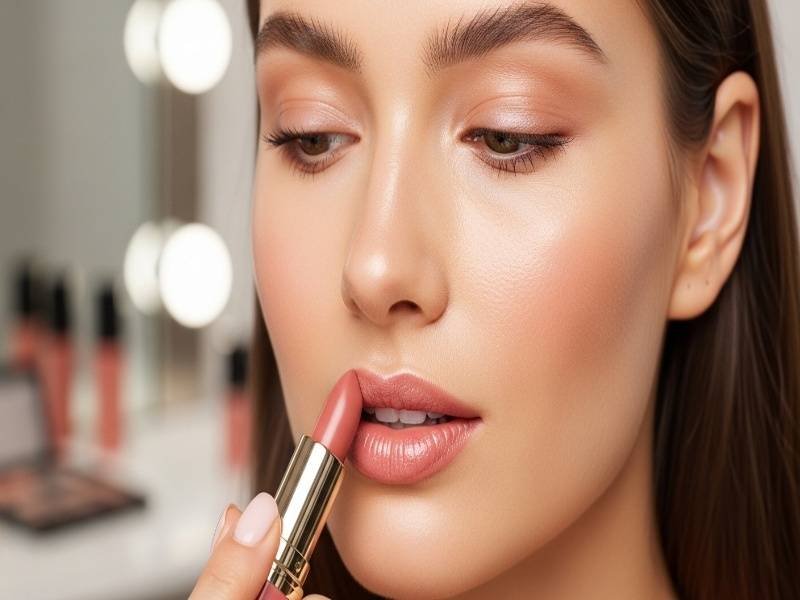
Which Lipstick Will Suit My Face?
Instead of asking “Which shade?”, ask:
- Does this lipstick soften or harden my features?
- Does it blend into my face or sit on top of it?
- Does it feel comfortable after an hour?
If the answer is yes to all three, you’ve likely found the right category—even before perfecting the shade.
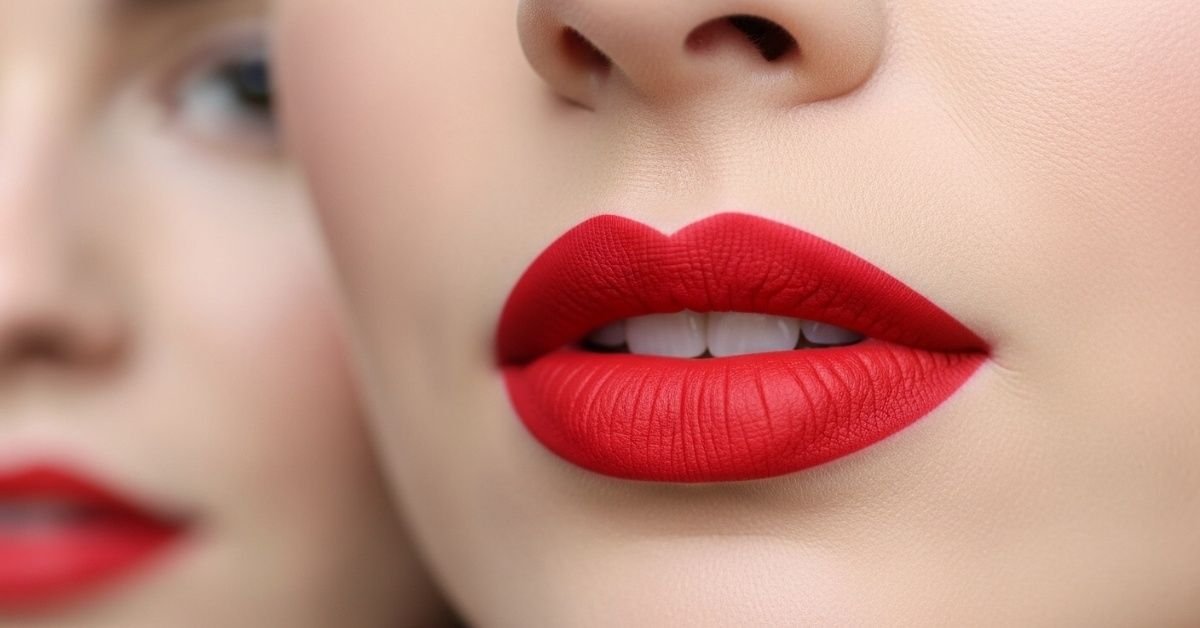
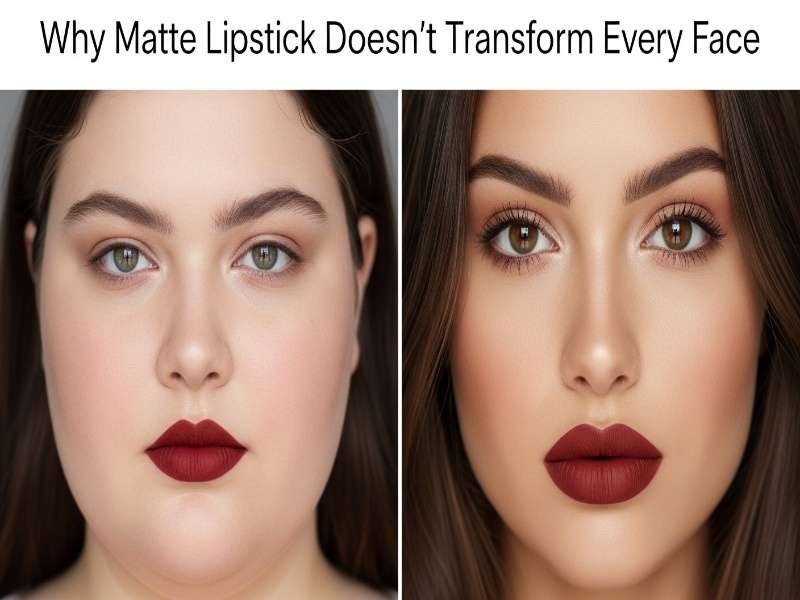
Why Matte Lipstick Doesn’t Transform Every Face
Matte lipstick is powerful—but it’s not universal.
Matte often:
- Emphasizes texture
- Sharpens facial features
- Requires perfect lip prep
That’s why many people feel matte lipstick “ages” them or looks too harsh for daily wear. Matte is a statement—not transformation. One lipstick category that can transform your face..
This is one reason most women use the wrong lipstick type when they default to matte trends.
What Is the Number One Lipstick in the World?
There’s no single number-one lipstick—but there is a winning category.
Across brands, cultures, and ages, cream/satin lipsticks consistently:
- Have the highest repeat use
- Suit the most face types
- Feel the most wearable
Popularity follows performance—not hype.
How This Lipstick Category Changes Your Whole Face
When you apply the right cream or satin lipstick, you’ll notice:
- Skin looks brighter
- Eyes appear more defined
- Face looks balanced even without foundation
That’s because lips anchor the face visually. When they’re soft and harmonious, everything else falls into place.
Daily Wear vs Special Occasions
This lipstick category excels at both.
For daily wear:
- Looks natural
- Feels comfortable
- Easy to reapply
For events:
- Layers well
- Photographs beautifully
- Doesn’t crack or crease
That versatility is why it’s the lipstick category that can transform your face instantly and consistently.
Why So Many People Miss This Secret
Because marketing focuses on:
- Shades
- Claims
- Trends
But transformation comes from how lipstick behaves on real lips—not how it looks in a tube.
Once you understand lipstick categories—something explored deeper in types of lipstick explained and lipstick finishes explained—your choices become easier and more successful.
How to Find This Category in Stores
Look for words like:
- Cream
- Satin
- Soft-matte (not flat matte)
- Hydrating lipstick
Avoid ultra-dry or ultra-glossy if transformation—not drama—is your goal.
Final Answer: The Lipstick Category That Transforms Your Face
If you want one lipstick category that:
- Works across ages
- Flatters most face shapes
- Looks polished instantly
- Feels comfortable all day
👉 Cream and satin lipsticks in balanced, neutral-leaning shades are the answer.
That’s the lipstick category that can transform your face—not because it’s flashy, but because it works with your features instead of against them.
❓ FAQs – Lipstick Category That Transforms Your Face
Which type of lipstick is most attractive?
Cream and satin lipsticks because they look balanced and natural.
What shade of lipstick makes you look younger?
Soft rose, neutral pink, and balanced nudes—especially in cream formulas.
Which lipstick will suit my face best?
One that softens features, adapts to your undertone, and feels comfortable.
Is matte lipstick bad for daily wear?
Not bad—but often less forgiving than cream or satin.
Why does lipstick change my whole face?
Because lips are a visual focal point that affects overall facial harmony.
Meta Description (copy-paste ready):
Wondering why some lipsticks instantly brighten your face while others don’t? This guide reveals the one lipstick category that transforms your face, explains why it works on most people, and helps you choose a flattering formula with confidence.