

I still remember my cousin’s wedding back in 2019. I wanted to look my absolute best, so I bought a high-end “designer” lipstick that promised 24-hour wear. Within two hours of the ceremony, my lips didn’t just feel dry—they were literally peeling and stinging. I spent the rest of the night in the bathroom, trying to scrub off the pigment while my lips throbbed. It was a painful lesson: when you have sensitive lips, the “intensity” of the color matters far less than the “origin” of the pigment.
In 2026, the beauty landscape in the USA has shifted dramatically toward health-conscious choices. The debate of organic vs mineral pigments is at the heart of every clean beauty routine. But which one truly protects your pout? To understand the foundation of this discussion, you should first look at our to see how these pigments are held together by waxes and oils.
At , we believe your makeup should be a treatment, not a torture.
This beginner-friendly guide is part of our Lipstick Basics series, where we break down everything from what lipstick actually is to how it works, so you can build your knowledge step by step with confidence.
While mastering the perfect application is key, understanding the science behind your beauty products is what truly makes a difference. At WomenClassy, we deep-dive into everything from lipstick ingredients to expert-led shade guides to help you make informed choices. Explore our full library of lipstick basics and pro tips to elevate your daily makeup routine.”
Understanding the Basics: Organic vs. Mineral Pigments
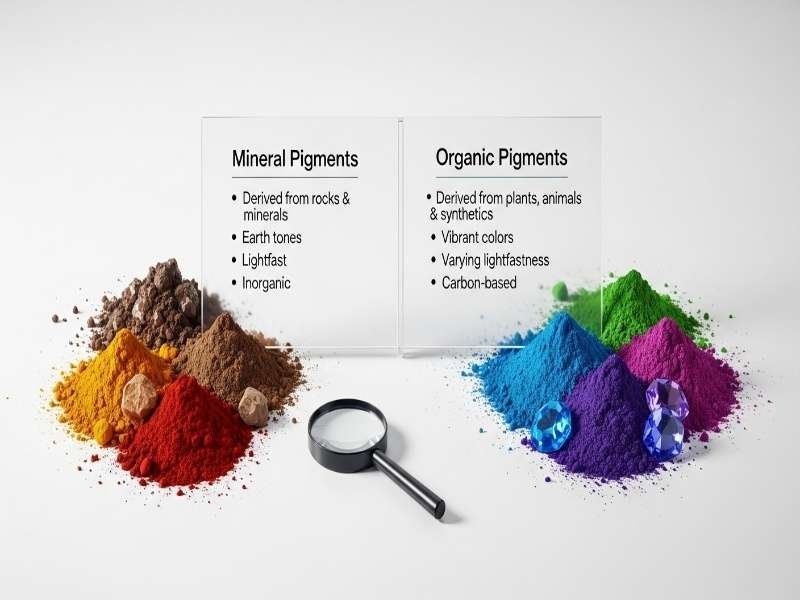
When we talk about organic vs mineral pigments, we aren’t just talking about “natural” labels. In the world of chemistry, “Organic” actually refers to carbon-based pigments (which can be botanical or synthetic), while “Mineral” refers to inorganic pigments derived from the earth, like Iron Oxides.
For women in the USA searching for the best lipstick for sensitive lips 2026, the distinction is vital. Organic pigments are often brighter and more vibrant, but mineral pigments are generally considered “inert,” meaning they don’t react with the skin. If you’ve ever wondered why your favorite “clean” lipstick still causes a tingle, it might be due to the specific balance in the formula.
The Case for Mineral Pigments: The Safe Haven
Mineral pigments are the gold standard for hypoallergenic lip pigments guide standards. These pigments, such as Zinc Oxide or Titanium Dioxide, sit on top of the skin rather than being absorbed.
Why Minerals Win for Sensitivity:
- Non-Reactive: They are less likely to cause the “peeling” sensation I experienced.
- Sun Protection: They offer a natural physical barrier against UV rays.
- Longevity: Long-lasting mineral pigments for USA women are favored because they don’t “bleed” as easily into fine lines.
However, minerals can sometimes feel “dry” on the lips. This is often if the formula isn’t balanced with high-quality oils.
The Case for Organic Pigments: Vibrancy with Caution
Organic pigments (like Beetroot or Cochineal) offer those deep, “wow” reds that minerals just can’t achieve. When we compare organic vs mineral pigments, the organic side always wins on color payoff.
However, many organic pigments are “stains.” Because they are smaller molecules, they can penetrate the thin skin of the lips. For someone with ultra-sensitive skin, this penetration is what triggers an allergic reaction. To mitigate this, many 2026 brands are now using a base of Shea butter and beeswax to create a protective buffer.
Comparing Organic vs. Mineral Pigments: 2026 Trends
In the USA, the current trend is “Hybridization.” Brands are no longer picking just one side. They are using mineral pigments for the “base” of the lipstick and organic pigments for the “pop” of color.
In the discussion of organic vs mineral pigments, the winner for sensitive lips is almost always Mineral. If you are tired of chemicals, you should check out our comparison on to see which brands are leading the “Clean” revolution in 2026.
5 Tips for Choosing the Safest Pout
If you want to master the organic vs mineral pigments choice, follow these expert rules:
- Check the Source: Look for “Pharma-grade” minerals to avoid heavy metal contamination.
- Avoid Fragrance: Often, it’s not the pigment causing the itch, but the “Parfum” added to the tube.
- Prep is Key: Never apply pigment to raw lips. Use a to create a healthy moisture barrier first.
- Go Vegan: Sometimes, “natural” pigments like Carmine (from bugs) cause reactions. Choosing can eliminate this risk.
- Look for Mineral Oils vs. Plant Oils: Understand the difference between to ensure your pigments have a soothing carrier.
Why Organic vs. Mineral Pigments Matter for Pigmentation
Did you know that the wrong pigment can actually make your lips darker over time? This is a huge concern for women in the USA. Low-quality organic dyes can cause “Contact Dermatitis,” which leads to post-inflammatory hyperpigmentation.
When you choose organic vs mineral pigments that are high-quality, you avoid this “lip darkening” effect. For a deeper look into the safety of your color choices, read our latest guide.
Final Thoughts: The Sensitive Pout Solution
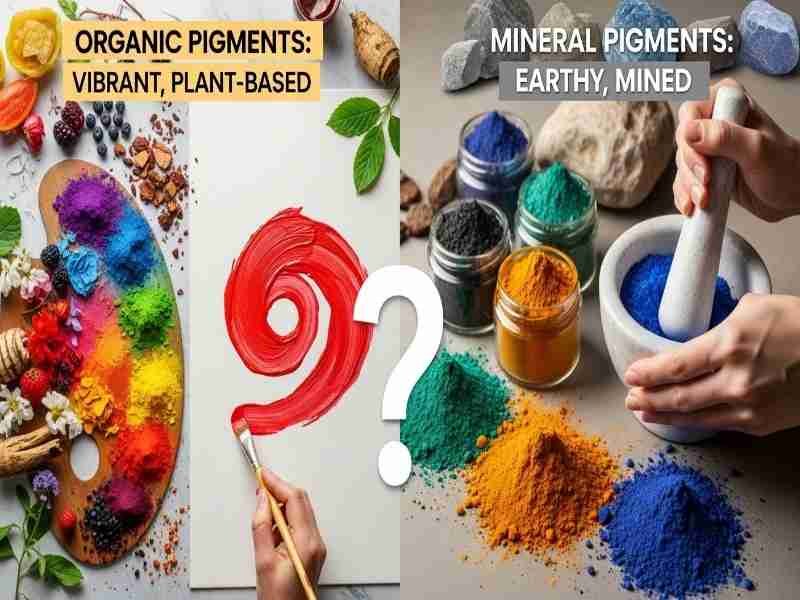
Choosing between organic vs mineral pigments doesn’t mean you have to sacrifice your style. In 2026, the best approach for sensitive lips is to favor mineral-heavy formulas for your daily “nudes” and save the high-intensity organic stains for special occasions.
Remember, the goal of beauty is to make you feel confident, not uncomfortable. By focusing on non-toxic lip color ingredients 2026, you are investing in the long-term health of your smile. Sometimes, has nothing to do with the color and everything to do with how the pigments are reacting to your unique skin chemistry.
At , we want you to have it all: the color, the comfort, and the class!
❓ Frequently Asked Questions (PAA)
Which is better for sensitive lips, organic or mineral pigments? Mineral pigments are generally better for sensitive lips because they are inorganic and inert, meaning they don’t penetrate the skin or cause allergic reactions as often as organic dyes.
Are organic pigments safer than synthetic ones? Not always. “Organic” can still include synthetic dyes that are carbon-based. The key is to look for “Non-Toxic” and “Lead-Free” certifications rather than just the word “Organic.”
What are the 2026 non-toxic lip color ingredients to look for? Look for Iron Oxides (mineral pigment), Mica (for shimmer), and botanical waxes like Carnauba or Candelilla.
Can mineral pigments be long-lasting? Yes! Long-lasting mineral pigments for USA women are very popular in 2026 because they provide a “stain” effect without the harsh chemicals of traditional liquid lipsticks.
Why does my organic lipstick sting my lips? This is often a reaction to specific dyes or the lack of a proper moisture barrier. In the organic vs mineral pigments debate, stinging is a common sign that your skin is reacting to an organic dye’s pH level.


