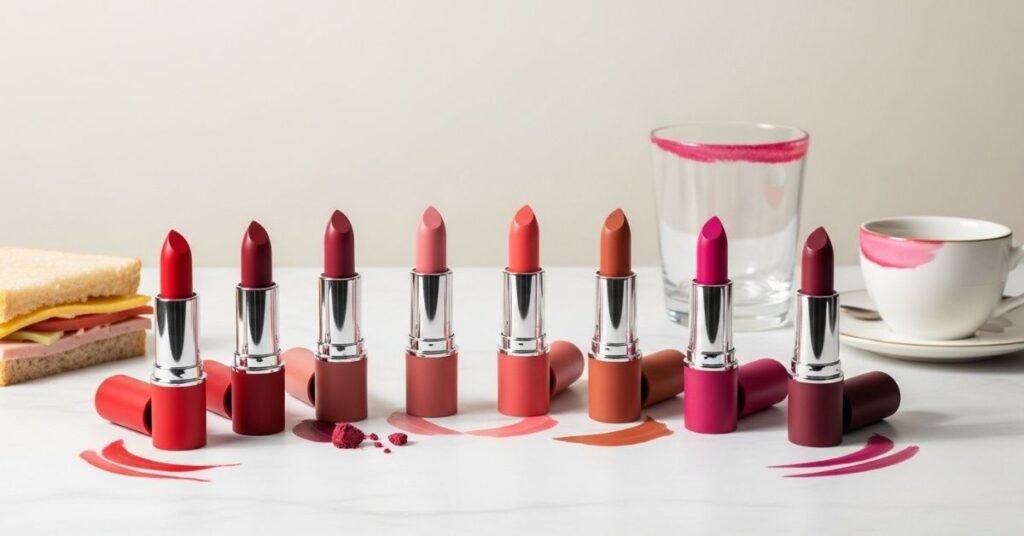

I’ll never forget the “Neon Peach Disaster” of 2025. I had seen a stunning influencer in Los Angeles wearing this specific, creamy coral that made her look like a literal goddess. I rushed out, bought the exact same tube, and swiped it on the minute I got to my car. Instead of a sun-kissed glow, I looked like I had a strange medical condition—the color made my skin look gray and my teeth look yellow. I was so frustrated because I had spent $40 on a “cult favorite” that made me feel invisible. That was the day I stopped buying based on trends and started studying the science of why colors actually fail.
In 2026, the realization that most lipstick shades look wrong isn’t about your face—it’s about the math of color theory. For USA women, the frustration of a “clashing” lip color usually boils down to a misunderstanding of skin temperature. If you’ve ever felt like a beautiful pink turned “purple” on you, it’s a classic sign that you haven’t mastered How to Find Your Skin Undertone. Understanding the “temperature” of your skin is the only way to stop the cycle of wasting money on shades that simply weren’t formulated for your DNA.
At WomenClassy, we believe beauty shouldn’t be a guessing game.
This beginner-friendly guide is part of ourLipstick Basics series, where we break down everything from what lipstick actually is to how it works, so you can build your knowledge step by step with confidence.
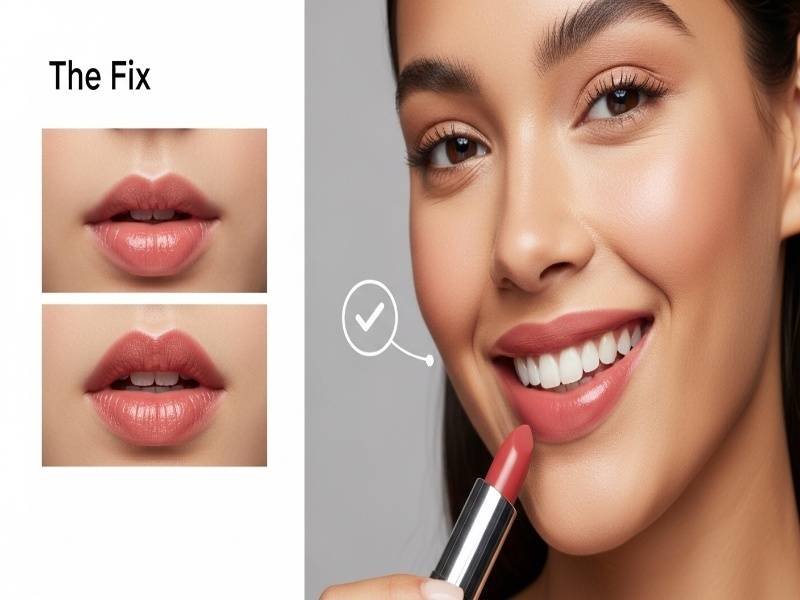
The Hidden Culprits of Color Clashing
Why does a shade look perfect in the tube but “off” on your face? Often, it’s not just the color, but how it interacts with your natural lip pigment. This is exactly Why Lipstick Changes Color on Pigmented Lips, a phenomenon where your natural lip base acts like a “filter” that shifts the final result.
To fix this “fail” instantly, you need to look at the three pillars of color harmony:
- The Undertone: Are you fighting against your natural warmth or coolness? Check out our guide on Warm vs. Cool vs. Neutral Undertones to identify your primary match.
- The Formula: Sometimes it’s the finish, not the shade. A Sheer vs. Opaque Lipstick can completely change how a color sits against your skin.
- The Lighting: Pigments reflect differently under office fluorescents versus natural USA sunlight.
If you’re tired of the struggle, mastering Lipstick Color Theory is the ultimate “cheat code.” Once you understand how to balance your skin’s natural “overtones” with the right lipstick pigments, you’ll never have a “fail” moment in the mirror again.
What Shade of Lipstick Is Right for Me: Understanding Your Skin Tone
Before selecting your lipstick, you need to know your skin tone and undertone. Your skin tone is the natural color of your skin, while undertones are the subtle hues beneath it that affect how colors appear.
A simple method is to check the veins on your wrist. Blue or purple veins indicate cool undertones, green veins suggest warm undertones, and a mix points to neutral undertones. Knowing this helps you take any “what shade of lipstick is right for me quiz” with accurate results and ensures your lipstick complements your natural complexion.
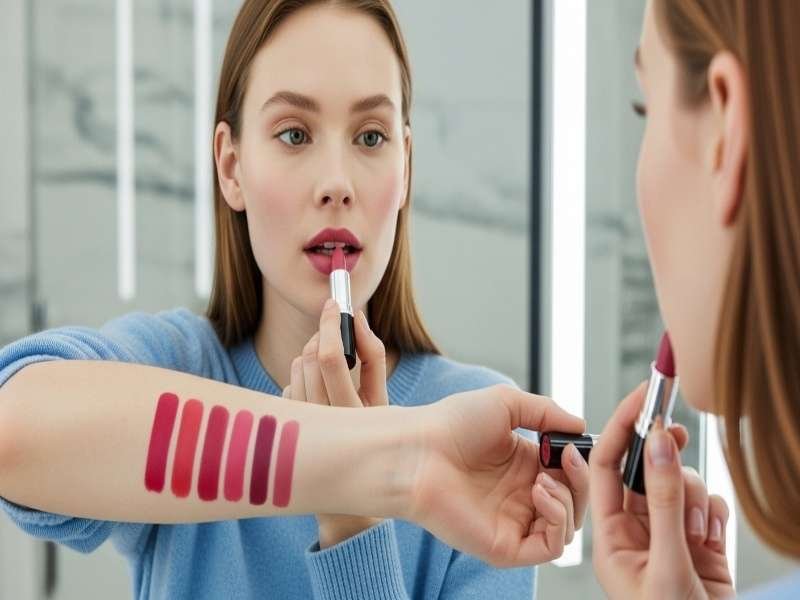
What Shade of Lipstick Makes Teeth Look Whiter: Cool vs Warm Shades
If you want a bright, radiant smile, the right lipstick shade can make a huge difference. Cool undertones, like blue-based reds or pinks, make teeth appear whiter. Warm shades like oranges or browns may not have the same effect.
For example, many people choose a soft berry lipstick for evening events because it enhances teeth brightness while flattering their cool skin tones. Understanding which shade of lipstick makes teeth look whiter is an easy trick to elevate your entire look effortlessly.
What Lipstick Shade Suits Me: Warm Skin Tones
If you have a warm skin tone, your skin likely has golden or peachy undertones. Shades like coral, brick red, and warm browns bring out your natural glow.
A friend shared that wearing a coral lipstick to a brunch instantly lit up her face and matched her golden undertones beautifully. Warm tones should avoid icy pinks or blue-based reds, which may clash. Knowing what lipstick shade suits me helps you pick flattering colors that enhance your natural radiance.
What Lipstick Shade Suits Me: Cool Skin Tones
For cool skin tones, with pink, red, or blue undertones, shades like fuchsia, berry, cool reds, and mauve work best. These colors balance your undertones and make your lips pop.
One example is wearing a deep berry lipstick for a dinner event, which instantly adds sophistication and elegance. Cool skin tones should avoid yellow-based shades, as they can appear dull. Understanding what lipstick shade suits me ensures your choice harmonizes with your natural coloring.
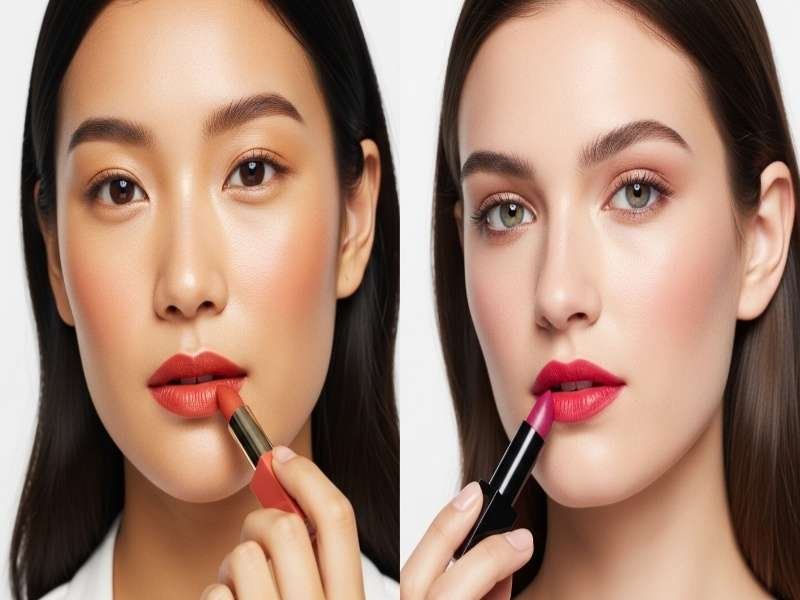
Neutral Skin Tones: Maximum Versatility in Lipstick Choices
Neutral skin tones are highly versatile, allowing you to experiment with almost any lipstick shade. Shades like nude, rose, peach, or pink-reds look universally flattering.
Many makeup enthusiasts with neutral undertones enjoy switching between bold reds for evenings and soft nudes for daytime looks. Knowing what lipstick shade suits me helps neutral skin tone users confidently explore diverse styles without fear of clashing colors.
Step-by-Step Guide to Finding the Perfect Lipstick Shade
Here’s a systematic approach to selecting the perfect lipstick shade:
Step 1: Test in Natural Light
Always try shades under natural daylight for true color visibility.
Step 2: Start with a Lip Liner
Apply a lip liner that matches your chosen lipstick. This defines the lips and prevents feathering.
Step 3: Layer Shades if Needed
Mixing two shades can create a custom color that perfectly complements your undertone. Professionals often use this method for a personalized finish.
Step 4: Match With Occasion and Outfit
Daytime or casual events suit soft, natural shades, while evenings or parties call for bold reds, deep plums, or vibrant berries.
Step 5: Consider Lipstick Finish
Matte finishes are bold and modern, creamy finishes are soft and natural, and glossy finishes add a youthful shine. Picking the right finish ensures your lipstick enhances your overall look.
Tips to Avoid Common Mistakes in Choosing Lipstick
Even experienced makeup lovers sometimes choose shades that don’t suit them. Common mistakes include:
- Ignoring undertones
- Choosing colors too light or too dark
- Testing lipstick on your hand instead of lips
Always test your lipstick directly on your lips under natural light to accurately determine what lipstick shade suits me. This habit prevents mistakes and ensures that your lipstick enhances your natural beauty.
Conclusion: Mastering How to Choose the Perfect Lipstick Shade for Your Skin Tone
Finding the perfect lipstick shade for your skin tone is a mix of understanding undertones, experimenting with colors, considering finishes, and matching occasions. By following this guide, you can confidently pick shades that brighten your smile, flatter your skin, and elevate your overall style.
Remember, lipstick is more than just a cosmetic—it’s a tool for confidence, self-expression, and elegance. With the right knowledge, every lipstick in your collection can make you look and feel amazing.
FAQs About Lipstick Shade
How do I choose the right lipstick shade for my skin tone?
To choose the perfect lipstick shade, first identify your skin tone and undertone. Warm undertones suit peach, coral, and warm reds, while cool undertones look best in pinks, berries, and blue based reds. Neutral undertones can usually wear most shades. Understanding what lipstick is also helps beginners make confident choices.
What lipstick shades look best on fair skin?
Fair skin tones look best with soft pinks, nude pinks, peach shades, and light rose colors. These shades enhance natural features without overpowering the face.
Which lipstick colors suit medium skin tone best?
Medium skin tones pair well with rosy pinks, mauves, coral shades, and classic reds. These colors add warmth and balance, making them suitable for everyday and occasion wear.
What are the best lipstick shades for dusky or deep skin tones?
Dusky and deep skin tones shine in bold shades like plum, wine, brick red, chocolate brown, and deep berry colors. Rich pigments complement deeper complexions beautifully.
Does lipstick finish matter when choosing a shade?
Yes, lipstick finish plays an important role. Matte finishes offer strong color impact, while creamy or satin finishes provide comfort and are easier for beginners. You can compare finishes in types of lipstick explained.