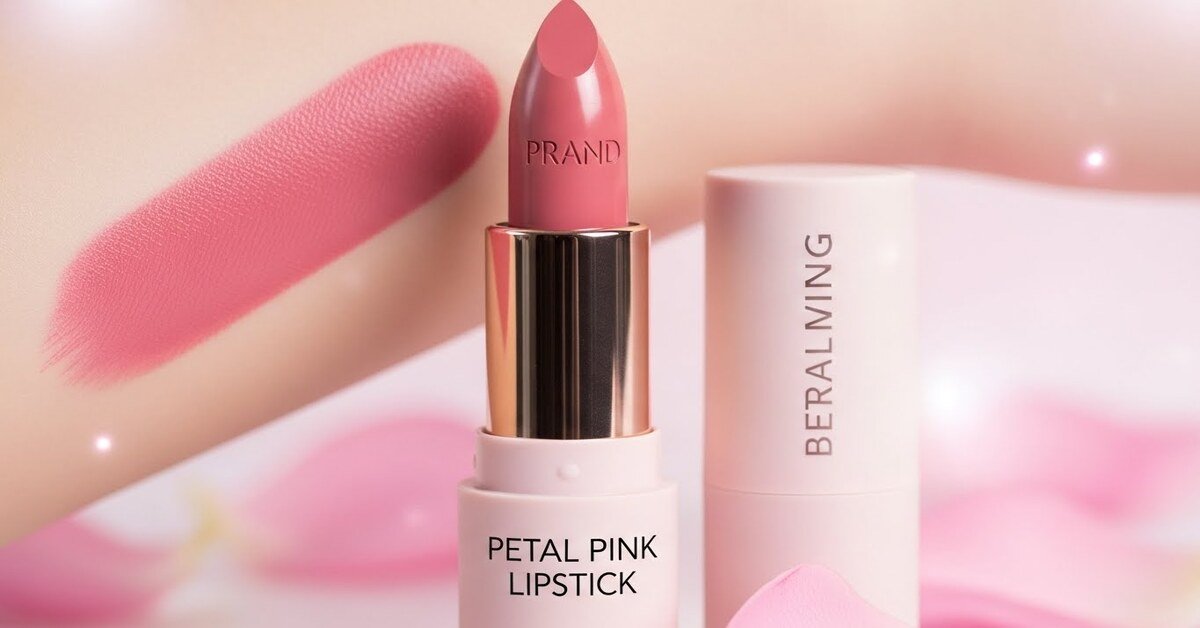
I found my perfect petal pink lipstick not in a store, but in a garden. It was late spring, and I was admiring a blush-toned peony in full, extravagant bloom. The delicate gradient of color from its center to the edges of its petals was breathtaking—a soft, luminous pink that seemed to glow with its own inner light. “I wish I could wear that color,” I sighed to my mother, a lifelong gardener.
She simply smiled and later handed me a lipstick tube. “They call this one ‘Petal,'” she said. When I applied it, the transformation was subtle yet profound. My lips didn’t look painted; they looked bloomed. This shade captured the very essence of floral delicacy, offering a beauty that was soft, romantic, and inherently feminine. Petal pink lipstick isn’t about making a statement; it’s about whispering one.
This shade embodies the very heart of floral beauty. It’s lighter and more ethereal than a Blush Pink Lipstick, yet has more body and pigment than a sheer wash of Baby Pink Lipstick Shade. But what color is petal pink? And how does this delicate hue translate to a powerful beauty statement? Let’s explore this floral-inspired color, a gentle yet essential part of the garden of shades in our master Pink Lipstick Shades: The Complete Guide.
Defining the Hue: What Color is Petal Pink?
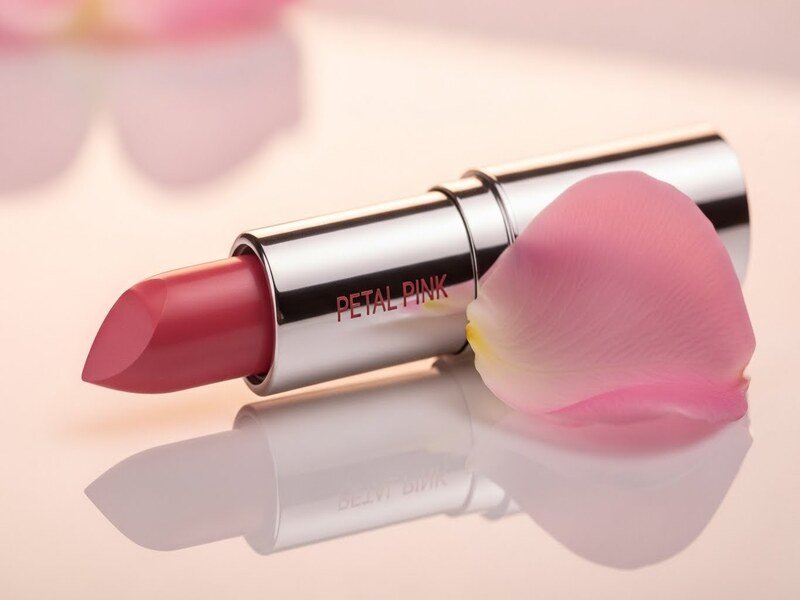
To understand petal pink lipstick, we must first ask: what does a petal look like? Petals are rarely one flat color. They are living canvases with subtle gradients, veins, and a luminous, sometimes translucent quality.
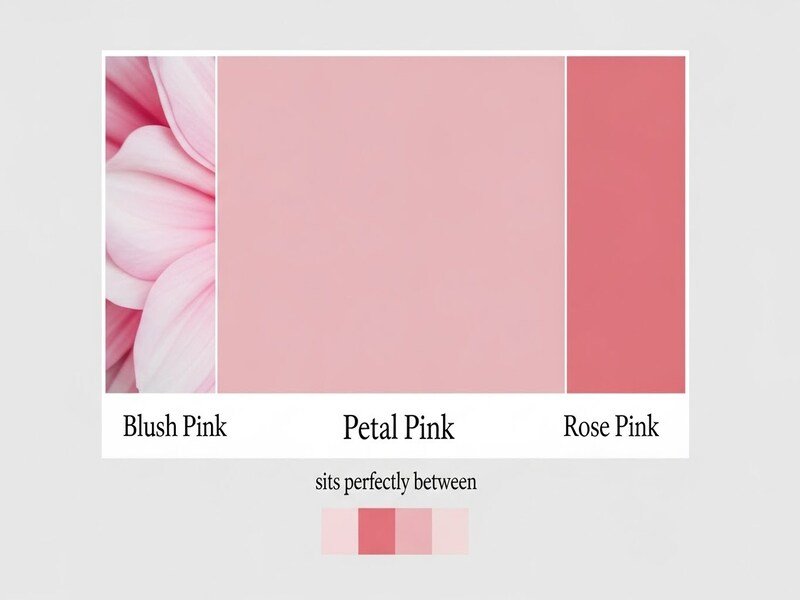
So, what color is petal pink? It is a light to medium, low-saturation pink. It’s not neon or electric, but soft and muted, often with a slight whitened or milky base that gives it that delicate, “blush-toned” appearance. Is petal pink considered a pastel color? Yes, absolutely. It sits firmly in the pastel family—a soft, light tone that evokes spring blossoms like cherry blossoms, peonies, and certain tea roses.
The Science of Attraction: Why Are Petals Attractive?
The allure of this shade is rooted in nature itself. Why are petals attractive? From a biological standpoint, petals evolved to attract pollinators with their color and scent. From a human perspective, we are drawn to their softness, their transient beauty, and their association with life, growth, and romance. Why are rose petals romantic? They have been culturally cemented as symbols of love, tenderness, and fleeting beauty for centuries. Wearing petal pink lipstick taps directly into this deep-seated, positive symbolism, evoking feelings of gentleness, innocence, and romantic femininity.
What is the purpose of petal color? In nature, it’s for survival and reproduction. In beauty, it’s for emotional resonance and aesthetic pleasure. This shade connects us to those natural feelings of freshness and renewal.
The Undertone: Is Petal Pink Warm or Cool?
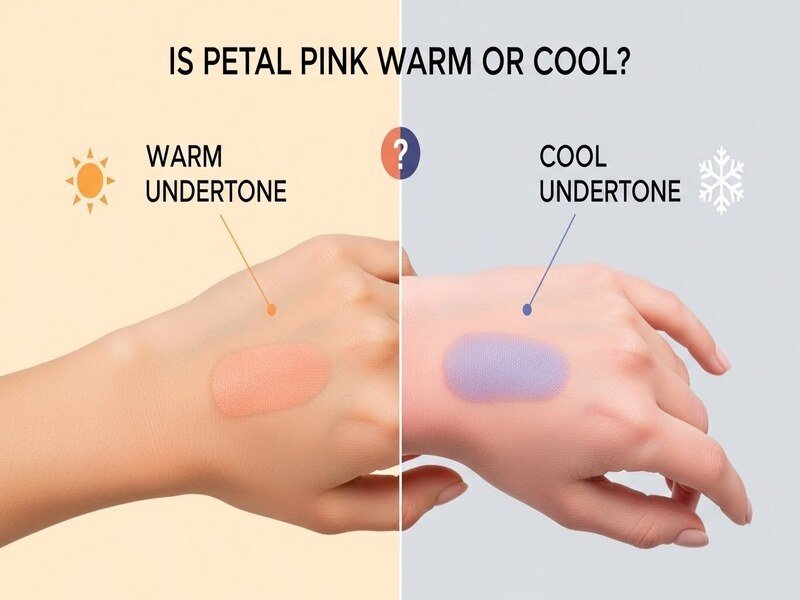
This is crucial for finding your match. Is petal pink warm or cool? The answer is: it can be both, but it is most commonly cool-toned.
Most true flower-inspired petal pinks have a clear, clean pink base with blue or violet (cool) undertones. This mimics the fresh, dewy look of petals in the cool morning light. However, variations exist:
- Cool Petal Pink: Has blue or lilac undertones. Think of hydrangea or some rose petals.
- Warm Petal Pink: Leans slightly peachy or coral-kissed. Think of the inside of a seashell or a apricot-tinged rose.
For a warmer, brighter floral pink, you might explore Coral Pink Lipstick or the vibrant Flamingo Pink Lipstick.
Finding Your Blossom: A Skin Tone Guide
This delicate shade requires harmony with your skin’s canvas to look natural, not washed out.
| Skin Tone & Undertone | Ideal Petal Pink Match | Application Tip |
|---|---|---|
| Fair/Light with Cool Undertones | The classic match. A cool, clear petal pink will look like a natural, fresh flush. | You can wear even the lightest, most opaque versions. |
| Fair/Light with Warm Undertones | Seek out petal pinks with a whisper of peach or beige. | Avoid overly blue-based pinks that might look ashy. |
| Medium Skin Tones | Choose more saturated, medium-toned petal pinks. | Sheer, light pastels can look chalky; go for richer “bloomed rose” shades. |
| Deep Skin Tones | Opt for highly pigmented petal pinks with a fuchsia or magenta base. | A true light petal may not show up; look for shades described as “bright rose” or “pink bloom.” |
The Art of the Delicate Application
The goal is to mimic the soft, blurred beauty of a petal’s edge—no harsh lines.
- Hydrate for Luminance: Start with exfoliated, well-moisturized lips. This shade looks best with a plump, healthy base.
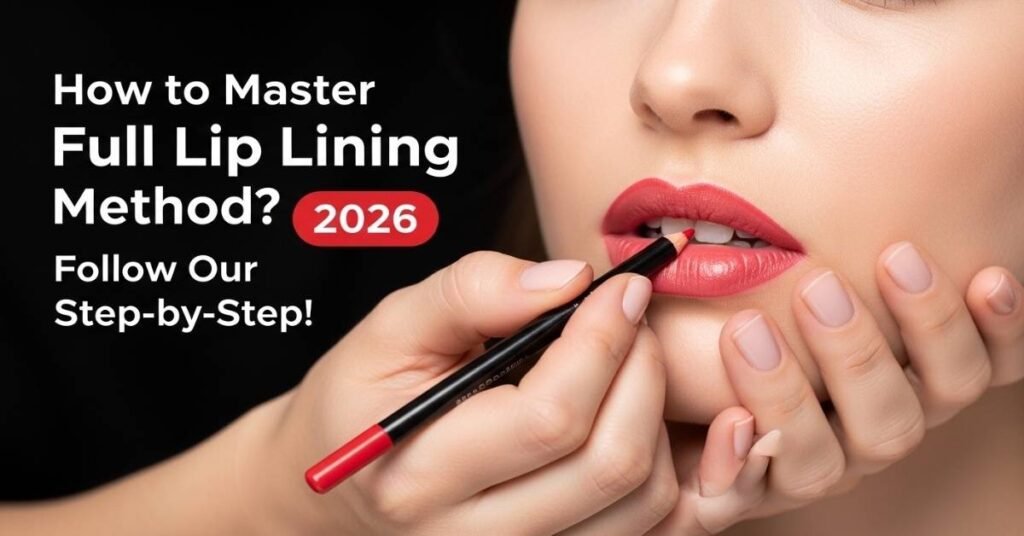
- Skip the Dark Liner: Use a liner that matches your natural lip line or the lipstick itself. The look should be soft and blended, not graphic.
- Apply for a Blurred Effect: For the most authentic “petal” look, apply the petal pink lipstick to the center of your lips and use your finger to pat and diffuse the color outward, softening the edges.
- Finish with Gloss: A clear or pearlescent gloss tapped in the center mimics the dewy, reflective quality of a fresh petal, adding dimension and femininity.
Creating the Color: From Nature to Tube
How to make petal color? In nature, it’s anthocyanin pigments. In makeup, chemists create the perfect petal pink lipstick by carefully balancing white and red pigments, often with a touch of blue or violet for a cool tone, or yellow for a warm one. It’s a science to replicate that effortless natural beauty.
How to make rose petal blush? While not for lips, the principle is similar: capturing that soft, living color. For cheeks, a cream blush in a petal pink shade applied with fingers gives the most natural, floral flush.
Petal Pink vs. Other Soft Pinks
This shade has a specific place in the soft pink spectrum.
- vs. Baby Pink: Baby Pink Lipstick Shade is often cooler, more pastel, and sometimes chalkier. Petal pink is usually slightly warmer, more luminous, and has more depth.
- vs. Blush Pink: Blush Pink Lipstick is darker and more saturated, mimicking a flush of blood. Petal pink is lighter and more floral.
- vs. Soft Rose: Soft Rose Lipstick is a muted pink-nude. Petal pink is a clearer, brighter, more distinctly pink pink.
- vs. Vintage Rose: Vintage Rose Lipstick is muted with brown/grey. Petal pink is fresh and clear.
Petal Pink Lipstick FAQs
Is petal male or female?
In botany, petals are part of the flower’s corolla and are not gendered. However, in color naming and cultural context, “petal pink” is overwhelmingly associated with feminine beauty due to its softness and floral inspiration.
Can I wear petal pink lipstick to the office?
It’s an excellent office shade. Its softness is professional and polite, while still adding a touch of polished, feminine color that brightens the face.
Does it suit mature lips?
Yes, beautifully. Its light-reflective quality can be very flattering. Choose creamy, hydrating formulas and avoid mattes. The soft color helps define lips without being severe.
How do I keep such a light color from looking uneven?
Lip prep is essential. Exfoliate to remove any flaky skin, and use a light layer of balm. Applying over a tiny bit of concealer can also create an even base for true color payoff.
What should I wear with it?
This shade loves soft, romantic, or minimalist styles. Think flowing fabrics, lace details, crisp white shirts, or neutral tones. It pairs beautifully with pearl accessories and dewy, fresh skin.
Continue Your Floral Beauty Journey:
- Pink Lipstick Shades: The Complete Guide – Explore the entire garden of pink.
- Baby Pink Lipstick Shade – Try an even softer, cooler pastel pink.
- Blush Pink Lipstick – Wear the color of a natural cheek flush.
- Soft Rose Lipstick – Discover an elegant pink-nude hybrid.
- Vintage Rose Lipstick – Embrace a muted, classic rose tone.
- Rose Pink Lipstick – Choose a clearer, mid-tone floral pink.
- Orchid Pink Lipstick – Experiment with a sophisticated pink-purple.