I remember the first time I truly fell in love with a lipstick. It wasn’t a classic red or a safe nude. It was a pink lipstick shade—a vibrant, slightly blue-based fuchsia—that I spotted on a beauty editor in a magazine. I bought it immediately, convinced it would be my signature. The reality? It made my teeth look yellow and my complexion tired. I was devastated.
That moment taught me a crucial lesson: not all pinks are created equal. In fact, the world of pink lipstick shades is vast, nuanced, and deeply personal. Finding your perfect pink isn’t about chasing a trend; it’s about discovering the version of pink that makes you light up. If you’ve ever struggled with why some colors work and others don’t, our guide on lipstick color theory is the perfect starting point.
This guide exists to end the confusion and the disappointing purchases. We’re diving deep into every pink tone imaginable, from the softest whisper of blush to the most electric magenta. Consider this your roadmap to not only finding a pink lipstick shade that complements your unique skin tone and undertones but also to wearing it with unwavering confidence. Whether you’re a pink novice or a connoisseur, understanding this spectrum is the key to unlocking one of makeup’s most expressive and joyful categories. For a broader look at what different colors can communicate, you might enjoy reading about pink lipstick shades and their meanings.
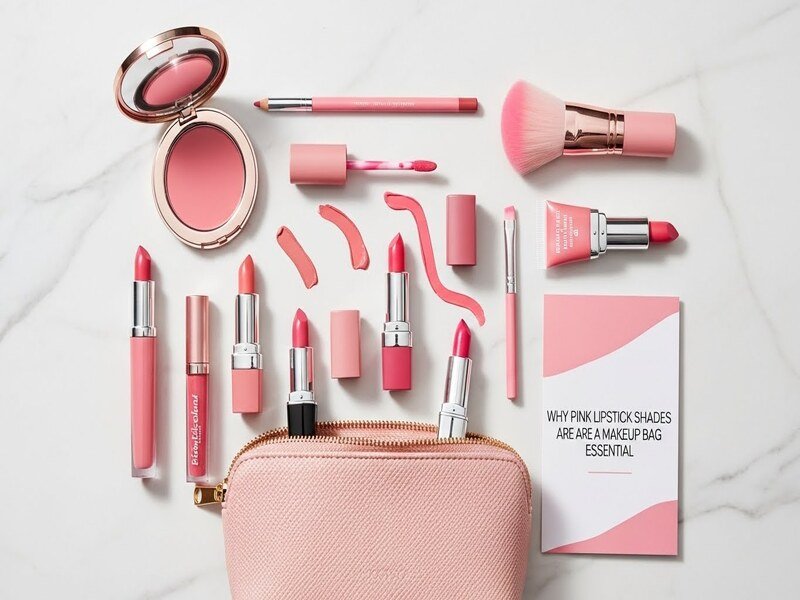
Why Pink Lipstick Shades Are a Makeup Bag Essential
More than just a color, pink is an emotion. It can be playful, romantic, powerful, or sophisticated. Unlike red, which makes a definitive statement, or nude, which aims to blend, pink lipstick shades occupy a beautiful middle ground. They add a focal point to your face that feels fresh, modern, and incredibly versatile. Choosing the right one, however, requires a bit of know-how. If you’re unsure where to begin, our step-by-step tutorial on how to pick the perfect lipstick shade can help simplify the process.
The right pink can brighten your complexion, make your eyes sparkle, and instantly elevate your mood. It’s the shade you reach for when a nude feels too quiet and a red feels too loud. However, its versatility is also what makes it tricky. A pink that’s too cool can be draining, while one that’s too warm can clash. The secret—as with all great makeup—lies in alignment: aligning the shade’s undertone with yours, its depth with your natural contrast, and its finish with your personal style.
Decoding the Pink Spectrum: Undertones Are Everything
Before we name names (Fuchsia! Rose! Bubblegum!), we must talk about the single most important factor in choosing a flattering pink lipstick shades: undertone. This is the color beneath the color, and it makes all the difference.
Pink lipsticks typically have one of three undertones:
- Cool Undertones: Think blue, violet, or purple bases. These shades include bright fuchsias, deep berries, and soft, blue-pink babydolls. They look stunning on individuals with cool (pink or rosy) skin undertones, making the skin look clear and bright.
- Warm Undertones: These pinks have a yellow, peach, or coral base. Think salmon pink, coral-pink, and warm rose. They harmonize beautifully with warm (golden or olive) skin undertones, creating a sun-kissed, healthy glow.
- Neutral Undertones: A perfect mix of warm and cool pigments. Mauves and many “my lips but better” pinky-nudes fall here. They are the most forgiving and flattering on a wide range of skin tones, especially those with neutral undertones.
A quick way to guess your undertone? Look at the veins on your wrist in natural light. If they appear blue/purple, you likely have cool undertones. If they look greenish, you have warm undertones. If it’s hard to tell, you’re probably neutral. For a deep dive, our guide on lipstick undertones explained breaks this down perfectly.
The Ultimate Pink Lipstick Shade Directory
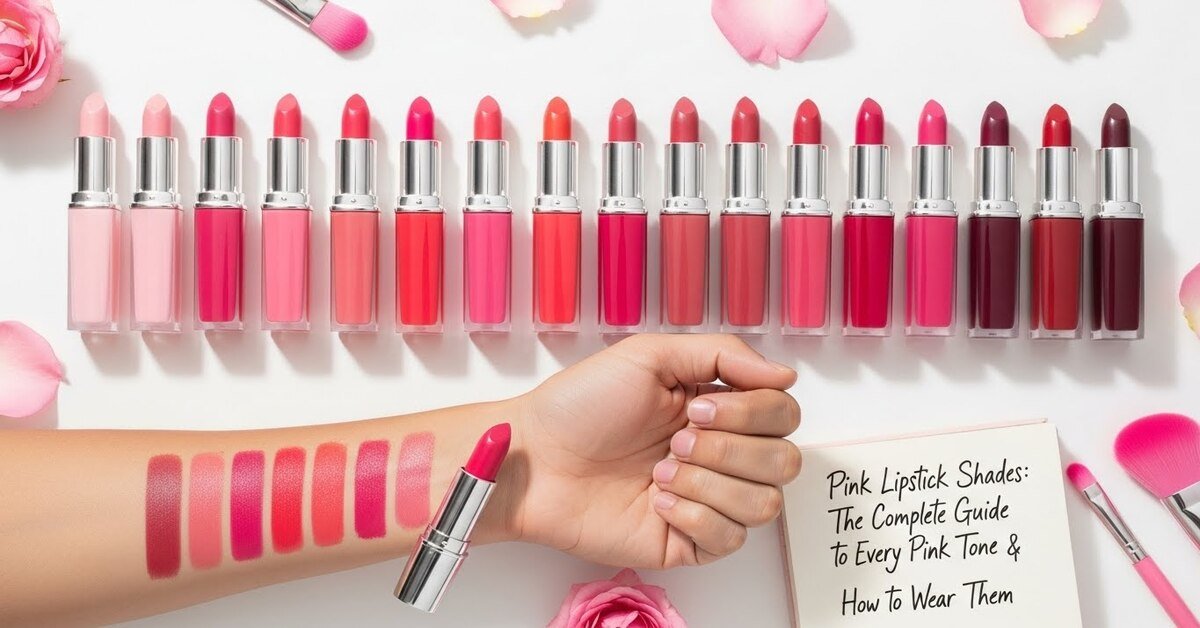
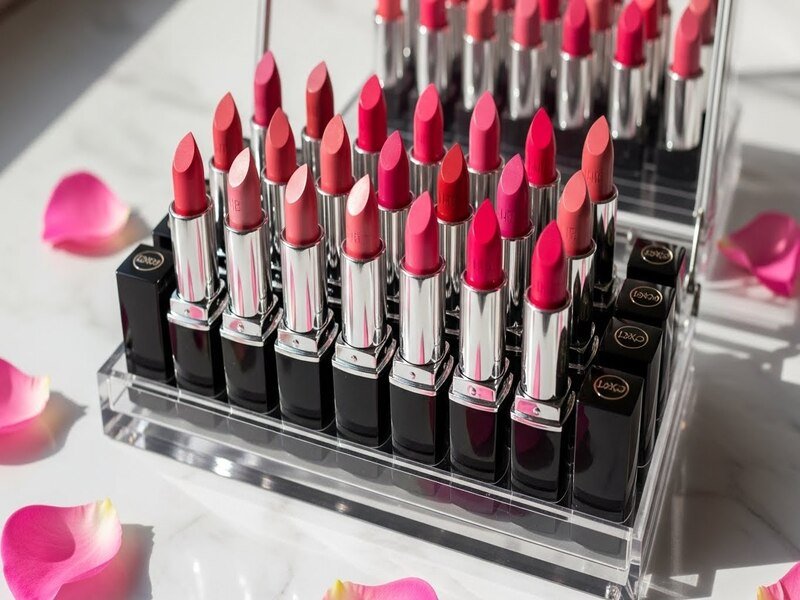
Now, let’s put theory into practice. Here is a breakdown of the most iconic pink lipstick shades, who they suit, and the vibe they create.
| Pink Shade Name & Description | Best For Skin Tones/Undertones | Occasion & Vibe |
|---|---|---|
| Baby Pink (Light, soft, often cool-toned) | Very fair to light skin with cool undertones. Can wash out deeper tones. | Sweet, youthful, minimalist. Great for daytime and fresh looks. |
| Rose Pink (The classic, balanced medium pink) | The universal flatterer. Works on most skin tones, especially neutral. | Romantic, polished, everyday-elegant. The perfect “default” pink. |
| Mauve Pink (Dusty, plummy, neutral-to-cool) | Light to deep skin with cool or neutral undertones. Adds sophistication. | Chic, understated, slightly editorial. Perfect for work or autumn. |
| Hot Pink/Fuchsia (High-energy, blue-based bright) | Medium to deep skin tones with cool undertones. Makes a bold statement. | Confident, playful, modern. Ideal for nights out or making an impact. |
| Coral Pink (Warm, peachy, orange-infused) | Light to medium skin with warm or olive undertones. | Summer, beachy, energetic. Creates a vibrant, healthy look. |
| Nude Pink (“My Lips But Better” pink-beige) | Varies by depth. Must match your lip color closely. | Effortless, natural, polished. The ultimate everyday shade. |
| Berry Pink (Deep, juicy, wine-infused) | Medium to deep skin tones, especially with cool undertones. | Dramatic, luxurious, autumnal. A powerful alternative to classic red. |
How to Choose Your Perfect Pink: A Step-by-Step Method
Finding your signature pink doesn’t have to be guesswork. Follow this simple, three-step method.
- Identify Your Skin Tone & Undertone: Use the vein test or see how your skin reacts to silver (cool) vs. gold (warm) jewelry. This is your non-negotiable starting point.
- Consider Your Natural Lip Color: Your perfect “nude pink” will be one to two shades deeper or brighter than your bare lips. This prevents the dreaded washed-out or “concealer lips” effect.
- Match the Depth to Your Contrast: Look at your hair and eye color vs. your skin. High contrast (dark hair, light skin) can carry brighter, deeper pinks. Lower contrast can opt for softer, muted tones for a harmonious look.
If you’re still feeling unsure, our article on how to pick the perfect lipstick shade offers even more personalized strategies.
Wearing Your Pink Lipstick: Application Tips & Tricks
Choosing the shade is only half the battle; applying it well ensures it looks impeccable.
- Prepping is Key: Always exfoliate and hydrate your lips. A flaky lip ruins even the most beautiful pink lipstick shades. A light balm, blotted before applying, creates a smooth canvas.
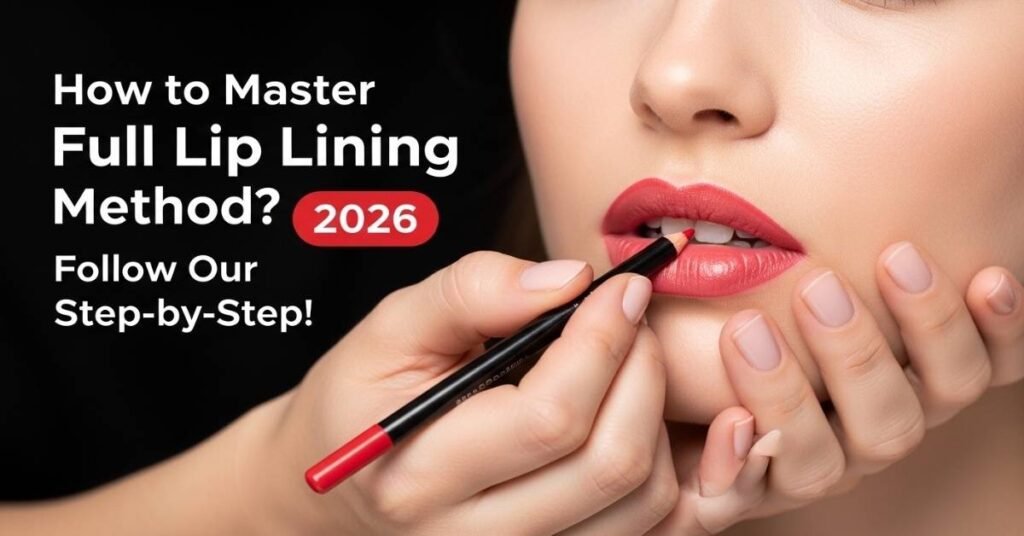
- The Power of Liner: For bold pinks (like fuchsia or berry), a matching lip liner is non-negotiable. It prevents bleeding, defines your cupid’s bow, and makes color last longer. For nude pinks, a liner close to your natural lip color can add definition and prevent fading.
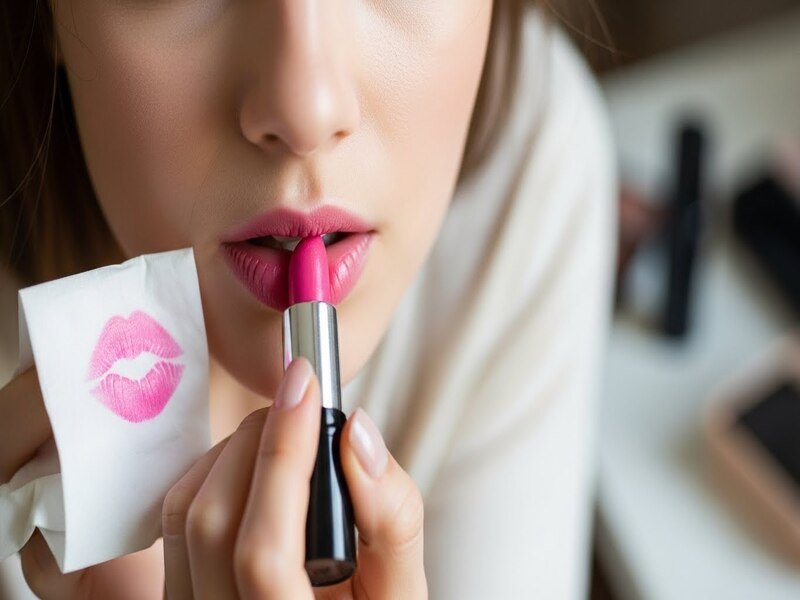
- Blot & Layer: For matte or long-wearing formulas, apply one layer, blot with a tissue, then apply a second. This “stains” the lip and increases longevity.
- Balance the Rest of Your Makeup: Let your pink lipstick shades be the star. Keep eye makeup simple with well-defined lashes and a touch of neutral shadow. A flushed cheek in a similar tone (pink blush with a pink lip) ties the look together beautifully.
The formula you choose also changes the game. A matte pink lipstick offers bold, long-lasting color, while a glossy pink lipstick gives a juicy, youthful volume. Explore all your options in our guide to lipstick finishes explained.
Common Pink Lipstick Mistakes (And How to Fix Them)
Even seasoned makeup lovers can stumble. Here are quick fixes for common pink pitfalls.
- Mistake: The shade looks chalky or ashy.
Fix: This is an undertone mismatch. If your pink looks grey, it’s likely too cool for you. Try a pink with a peach or coral (warm) base. - Mistake: Your teeth look yellow.
Fix: Avoid pinks with a strong yellow or orange base. Opt for blue-based pinks (like fuchsia or cool rose), which can make teeth appear whiter. - Mistake: The color bleeds or feathers.
Fix: Always use a lip liner to create a barrier. You can also apply a small amount of concealer around your lip line before lining. - Mistake: It emphasizes dryness.
Fix: Exfoliate! Also, consider a cream or satin finish instead of a matte. You can also layer a sheer pink gloss over any formula for hydration.
Understanding the broader lipstick color theory can help you avoid these issues from the start. And if you love the pink-nude hybrid, our complete guide to nude lipstick shades is a must-read.
The Takeaway: Pink is Personal
The journey through pink lipstick shades is one of self-expression. It’s not about finding the “it” color of the season; it’s about finding the pink that makes you feel like the best version of yourself—whether that’s a barely-there nude pink for the boardroom or a shock of hot pink for a Saturday night.
Start with your undertone, play with depth, and don’t be afraid to experiment. Your perfect pink is out there, waiting to become a cherished part of your beauty identity. Remember, in the world of makeup, confidence is always the most beautiful shade you can wear.
FAQs About Pink Lipstick Shades
1. What is the most universally flattering pink lipstick shade?
A true rose pink with a neutral undertone is often considered the most universal. It’s balanced—not too warm, not too cool—and adds a natural, healthy flush to a wide range of skin tones.
2. Can I wear bright pink lipstick if I have fair, cool-toned skin?
Absolutely! Fair, cool skin looks brilliant in clear, blue-based bright pinks like fuchsia or hot pink. The key is to ensure the formula is vibrant and not muted. Avoid pastels that are too white-based, as they can be draining.
3. How do I make my pink lipstick last all day?
Start with exfoliated, primed lips. Use a long-wearing or matte formula. Apply, blot with a tissue, then apply a second thin layer. Using a matching lip liner all over the lips as a base will also significantly improve wear time.
4. What pink lipstick shade is best for mature lips?
Softer, creamier formulas in muted shades like rose, mauve, or a saturated nude-pink are excellent choices. They add color without settling into fine lines. Avoid very matte formulas and overly pale shades, which can be aging.
5. How can I tone down a pink lipstick that’s too bright?
Apply the lipstick, then blot it heavily with a tissue. You can also tap a tiny amount of a nude lipstick or balm over the top to sheer it out. Another pro trick is to apply your pink lipstick, then press a finger with a bit of foundation or concealer to the center of your lips and blend slightly for an ombre effect.
📚 Explore More Lipstick Guides:
- Lipstick Color Theory – Master the science behind the perfect shade.
- Lipstick Shades & Their Meanings – Decode the message your lip color sends.
- How to Pick the Perfect Lipstick Shade – Your personalized step-by-step guide.
- Nude Lipstick Shades – The ultimate guide to finding your perfect nude.
- Types of Lipstick Explained – From bullet to liquid, know your formulas.
- Lipstick Finishes Explained – Matte, gloss, satin, and beyond.
- Lipstick Undertones Explained – Unlock the secret to flawless matching.
📚Explore Our Complete Pink Lipstick Library
- 🔹 Soft & Natural Everyday Pinks
- Pink Lipstick Shades: The Complete Guide
- Blush Pink Lipstick
- Baby Pink Lipstick
- Soft Rose Lipstick
- Petal Pink Lipstick
- 🔹 Muted & Sophisticated Pinks
- Dusty Rose Lipstick
- Mauve Pink Lipstick
- Vintage Rose Lipstick
- 🔹 Bold & Vibrant Statement Pinks
- Hot Pink Lipstick
- Fuchsia Lipstick
- Barbie Pink Lipstick
- Bubblegum Pink Lipstick
- Neon Pink Lipstick
- 🔹 Fruity & Warm-Toned Pinks
- Coral Pink Lipstick
- Watermelon Pink Lipstick
- Flamingo Pink Lipstick
- Cotton Candy Pink Lipstick
- 🔹 Deep & Berry-Infused Pinks
- Raspberry Pink Lipstick
- Orchid Pink Lipstick
- Rose Pink Lipstick
- 🔹 Comparison & How-To Guides
- Blush Pink vs Baby Pink Lipstick
- How to Choose Between Blush and Baby Pink Lipstick
(All links open within WomenClassy.com for your seamless browsing.)