Every makeup lover has at least one lipstick they cannot let go of. Sometimes it is a bold red that boosts confidence. Other times it is a soft nude shade that works with every outfit. But no matter how beautiful the color is, every lipstick has an expiry date. The shelf life of lipstick is something most people overlook, yet it has a huge impact on lip health, product performance, and overall hygiene.
In this complete guide, you will learn how long lipsticks last, the signs of expiration, the science behind product stability, and the best storage methods to make your favorite shades last longer. You will also discover important tips to shop for lipsticks wisely and confidently.
Why Understanding Shelf Life of Lipstick Matters
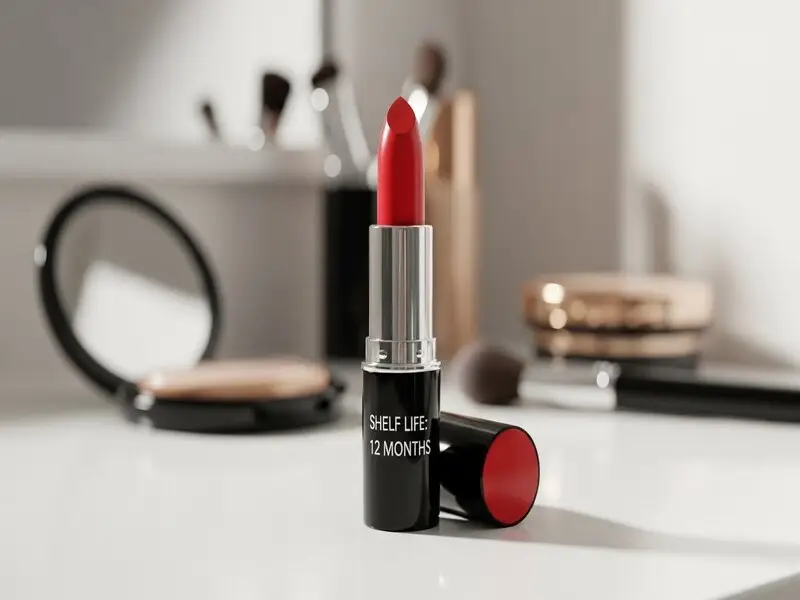
The term shelf life of lipstick refers to the time a lipstick remains safe and effective after opening. Lipsticks contain oils, waxes, pigments, preservatives, and sometimes natural extracts. Over time, these ingredients react with air, light, bacteria, and heat. Eventually the formula begins to break down, which leads to changes in smell, texture, and shade.
Understanding shelf life is important because expired makeup can cause irritation, dryness, and even infections. According to dermatology experts, expired lip products may attract bacteria and yeast that thrive when preservatives lose their strength. Keeping track of expiration is the first step to a safe beauty routine.
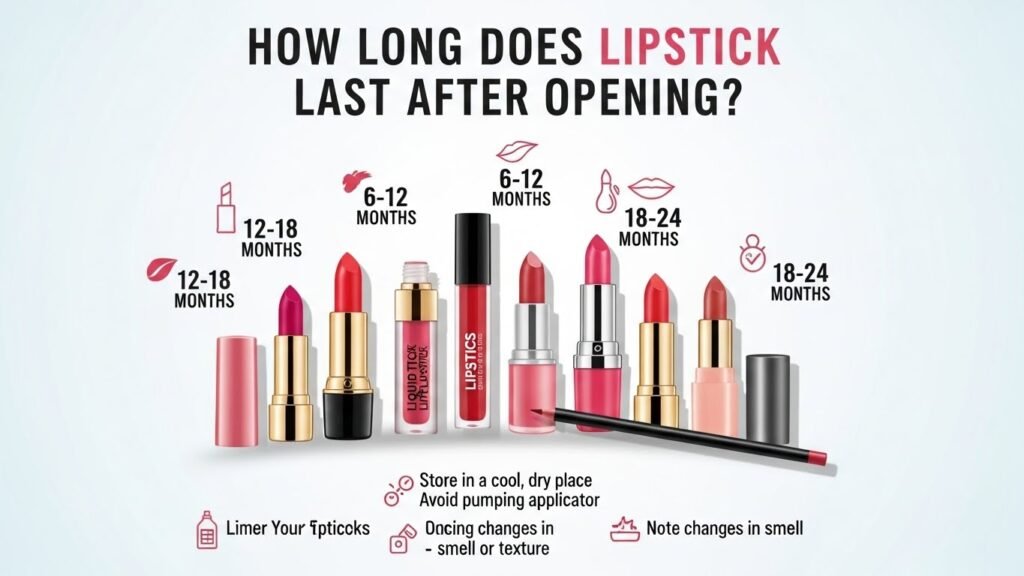
How Long Does Lipstick Last After Opening
Most people assume lipstick lasts forever because it looks solid and stable. However, every formula has its own lifespan.
Here is a clear breakdown of common lipstick categories:
| Type of Lip Product | Shelf Life After Opening |
| Matte lipsticks | About 18 to 24 months |
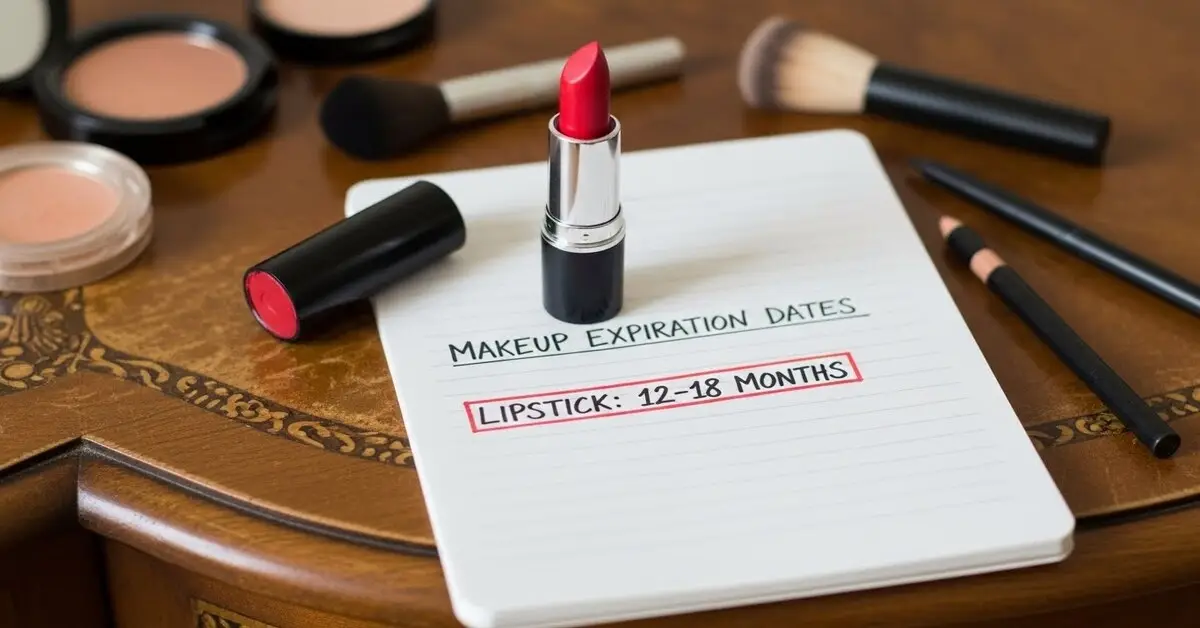
| Cream lipsticks | About 12 to 18 months |
| Satin lipsticks | About 12 to 18 months |
| Liquid lipsticks | About 6 to 12 months |
| Lip glosses | About 12 to 18 months |
| Lip crayons | About 12 to 24 months |
Liquid lipsticks and glosses expire faster because they contain more moisture, which increases bacterial growth. Solid bullet lipsticks usually last longer but still have a limit.
To find the exact period, check the PAO symbol on the packaging. The Period After Opening symbol looks like a tiny jar with a number printed inside.
If the jar says 12M, it means your lipstick is safe for 12 months after you first open it.
A Personal Anecdote About Expired Lipstick
A friend once shared a funny yet relatable story. She had a berry shade she bought during college. The lipstick stayed in her drawer for years because she wanted to save it for special occasions. One day, she decided to wear it again for a party. When she applied it, the texture was oddly greasy and smelled slightly sharp. Within an hour her lips began to itch.
This experience taught her a valuable lesson. Lipsticks do not show dramatic signs of spoiling like food does. They age quietly. Unless you notice the warnings, you might use an expired product without realizing it.
Signs Your Lipstick Has Expired
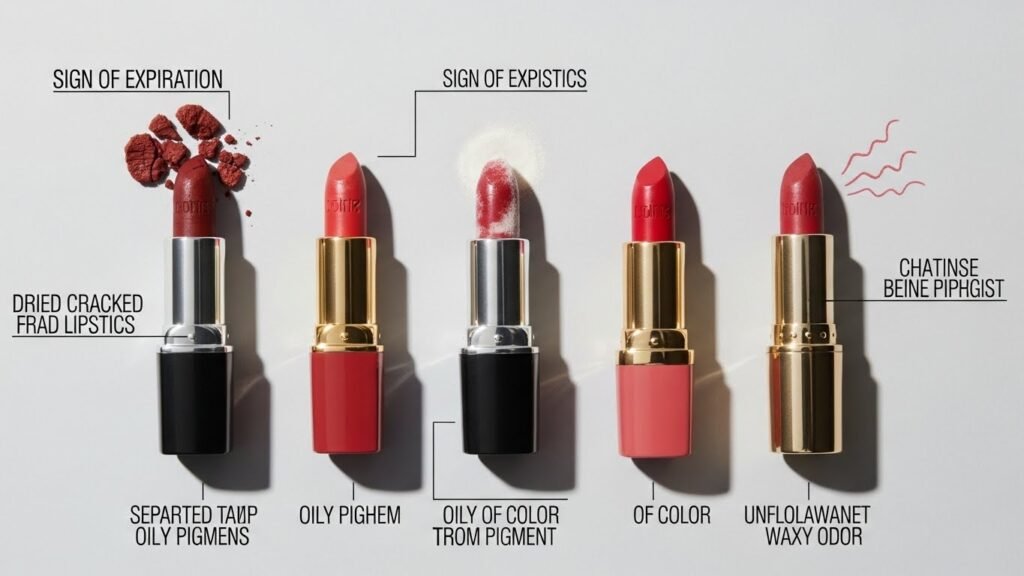
Expired lipstick is not always obvious at first glance. However, a few clear warning signs can help you decide when to let go.
1. The Smell Changes
Fresh lipsticks have a subtle fragrance that depends on the formula. Some smell sweet, some smell waxy. But when they expire, the oils in the lipstick begin to oxidize, creating a sharp, unpleasant, or even sour smell. Oxidation is a natural chemical reaction. If your lipstick smells unusual, it is best to stop using it.
2. The Texture Becomes Hard or Grainy
One common sign of expired lipstick is a gritty texture. Wax and oil separation leads to small bumps or dryness on the bullet. The smooth application is lost. If it drags across the lips or feels chalky, the product has deteriorated.
3. Color Appears Patchy
When pigments break down, the lipstick no longer looks even. It may appear dull, streaky, or slightly discolored. This uneven payoff indicates the formula is no longer stable.
4. Mold or White Film Appears
If you see white dots, fuzzy patches, or an unusual coating, it might be mold or product breakdown. This is especially common in old lip glosses.
5. It Irritates the Lips
If your lips sting, itch, or feel heavy after application, the product might be expired or contaminated.
Step by Step Guide to Check Lipstick Expiry
Here is a simple method to keep track of your cosmetics without confusion.
Step 1. Find the PAO symbol
Look on the box or bottom of the lipstick. Identify the jar symbol with 6M, 12M, 18M, or 24M.
Step 2. Write the Opening Date
Use a small sticker or pen to write the day you opened the product.
Step 3. Inspect the Lipstick Every Few Months
Check for smell changes, cracks, or texture shifts.
Step 4. Keep Lipsticks in a Clean Area
Make sure they are not kept in a humid or hot place.
Step 5. Replace Products on Time
Following the PAO symbol helps you protect your lips and maintain makeup hygiene.
How to Store Lipstick for a Longer Shelf Life
Proper storage extends lipstick life more than most people realize. Here are some effective tips:
1. Keep Lipsticks Away From Heat
Heat breaks down formulas quickly. Store your lipsticks in a cool and dry space. High temperatures soften the wax, which leads to sweating droplets on the bullet. You can read more about heat effects on cosmetics here
2. Close the Cap Tightly
Exposure to air makes lipstick dry and increases bacterial growth. Always twist the cap until fully sealed.
3. Store Vertically
Keep lipsticks standing upright in a drawer or organizer. This prevents damage and maintains structure.
4. Clean Occasionally
Wipe the bullet gently with a tissue to remove surface dirt. Makeup artists recommend this simple hygiene step.
5. Avoid Sharing Lipsticks
Sharing lip products spreads bacteria and viruses. Dermatologists warn against it here:
Is It Safe to Use Expired Lipstick
Using expired lipstick may seem harmless but it carries some risks. The breakdown of oils can clog pores around the lips. Bacteria may lead to reactions such as swelling or dryness. Expired formulas also perform poorly which affects the final look.
The safest approach is to replace old lipsticks with fresh ones. A new lipstick with clean ingredients always applies better and feels more comfortable.
How to Choose Lipsticks That Last Longer
If you want lipsticks with a longer shelf life, consider the following when buying:
- Choose brands that include antioxidants such as Vitamin E
- Look for formulas with balanced wax to oil ratios
- Avoid products with excessive moisture if you prefer long lasting options
- Buy from reputable stores to ensure fresh stock
A well formulated lipstick from a trusted brand often lasts longer and stays stable.
When You Should Replace Your Lipsticks
Replace your lipstick if:
- It has changed smell
- It looks patchy
- It irritates your lips
- It is past the PAO month
- It has been unused for years
Holding on to outdated makeup is never worth the risk.
Final Thoughts
Your lipstick shelf life plays an important role in your daily beauty routine. A good lipstick can brighten your mood, complete your look, and boost your confidence. But to enjoy it safely and fully, you need to pay attention to expiry signs and proper storage.
When you buy new lipsticks, choose high quality formulas that stay fresh longer. With the right care, your favorite shades will always feel smooth, look vibrant, and keep your lips comfortable.
FAQs: How long is the shelf life of lipstick
1. What is the typical shelf life of lipstick?
Most lipsticks last 1–3 years after opening, depending on the formula and storage conditions. Organic or natural lipsticks may have a shorter shelf life.
2. How can I tell if my lipstick has expired?
Signs include a change in smell, texture, or color, a dry or crumbly formula, or separation of oils from the pigment.
3. Does the type of lipstick affect its shelf life?
Yes.
- Matte lipsticks: Usually last longer (2–3 years).
- Cream or glossy lipsticks: May last 1–2 years due to higher moisture content.
- Organic or natural lipsticks: Often expire faster (6–12 months).
4. How should I store lipstick to extend its shelf life?
Store in a cool, dry place away from direct sunlight. Avoid humid areas like bathrooms, which can cause bacteria growth or formula degradation.
5. Can using expired lipstick be harmful?
Yes. Expired lipstick can harbor bacteria, causing lip irritation, infections, or allergic reactions. It’s safest to replace it when it shows signs of expiry.