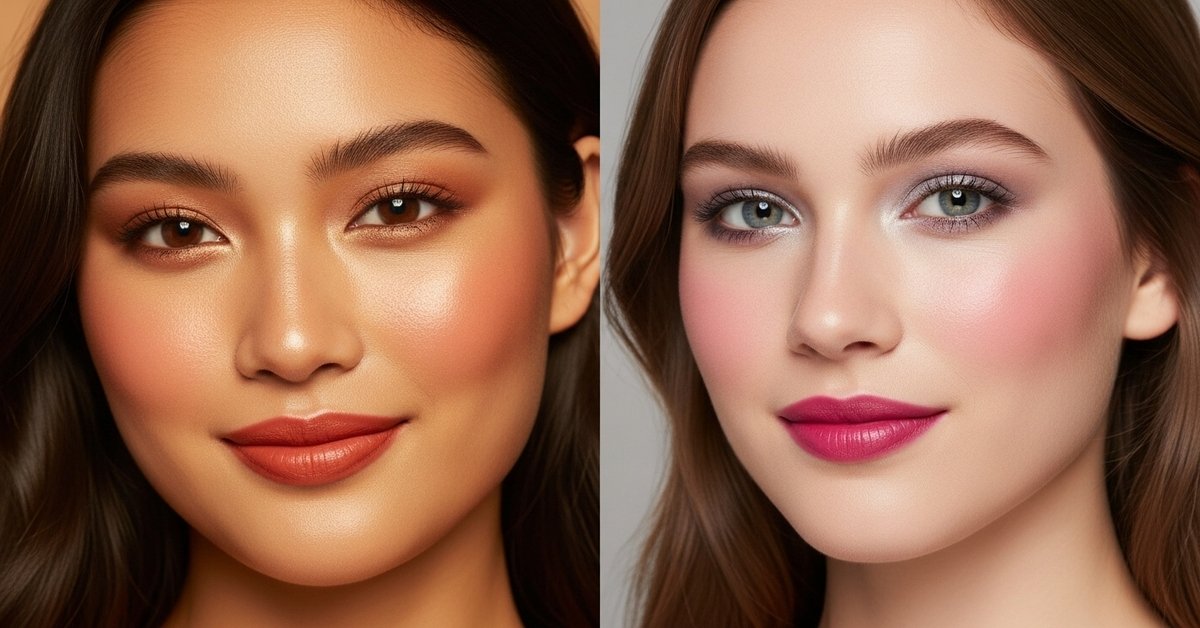
You’ve probably had this moment: a lipstick looks stunning on someone else, but on you it feels off. Not ugly—just wrong. That disconnect almost always comes down to undertones. Understanding Warm vs Cool Undertones Lipstick Shades is the single biggest upgrade you can make to your makeup routine, because it explains why certain colors light up your face while others drain it.
Lipstick isn’t just about color families like red, pink, or nude. It’s about the temperature beneath the color. Once you understand how warm and cool undertones interact with lipstick, choosing shades stops being confusing—and starts feeling intuitive.
This comparison is part of our Lipstick Comparisons series, designed to help you choose the right prep methods before applying lipstick.
Why Undertones Matter More Than Shade Names
Two lipsticks can both be called “rose,” yet look completely different on the lips. That’s because undertones act like a filter between the lipstick and your skin.
If you’ve ever felt unsure why certain shades fail, it helps to know the most common errors first. Our guide on lipstick mistakes to avoid for warm undertones explains how undertone mismatch creates dull or harsh results.
Mastering Warm vs Cool Undertones Lipstick Shades helps you avoid those mistakes entirely.
What Are Warm Undertones?
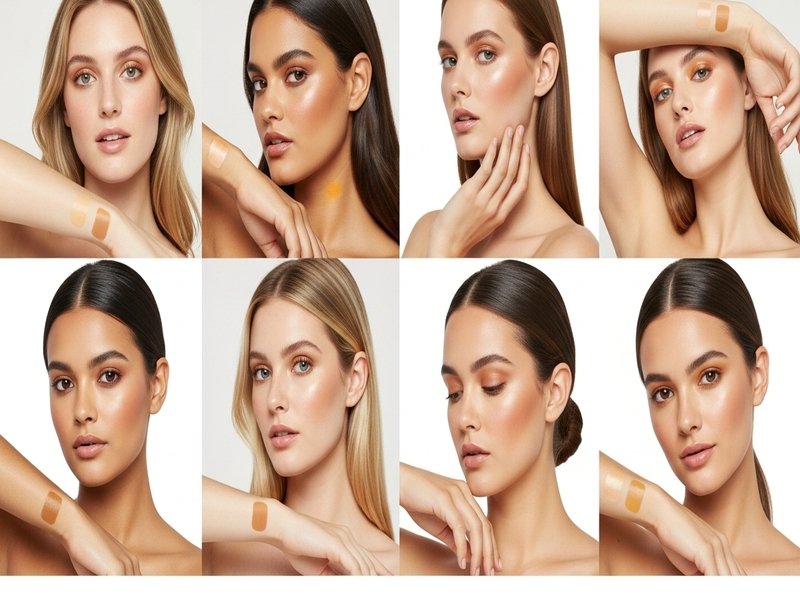
Warm undertones have a golden, yellow, peachy, or sometimes olive base. This warmth doesn’t change with seasons—it’s part of your skin’s natural makeup.
Signs you may have warm undertones:
- Veins appear greenish
- Gold jewelry flatters you more than silver
- Earthy colors (peach, coral, bronze) look natural
Warm undertones look best when lipstick shades echo that warmth instead of fighting it.
What Are Cool Undertones?
Cool undertones have a pink, red, or bluish base beneath the skin.
Signs you may have cool undertones:
- Veins look blue or purple
- Silver jewelry suits you better
- Cool shades like berry or blue-red look balanced
Cool undertones need lipstick shades with a cool base to stay harmonious.
Understanding this contrast is the foundation of Warm vs Cool Undertones Lipstick Shades.

Lipstick Shades for Warm Undertones
When choosing lipstick shades for warm undertones, warmth is key. Shades that echo your skin’s natural golden base always perform better.
Best warm undertone lipstick shades include:
- Peach and coral
- Tomato red and brick red
- Caramel, cinnamon, and chocolate browns
- Warm beige and peachy nude shades
These warm undertone lipstick shades enhance your complexion instead of overpowering it. If you want a full breakdown, best lipstick shades for warm undertones is a helpful reference.
Lipstick Shades That Suit Cool Undertones
Cool undertones need shades with blue or pink bases.
Best lipstick shades for cool undertones:
- Blue-based reds
- Berry, wine & plum
- Cool pinks & mauves
- Rose-taupe nudes
These shades complement the pink or blue base of cool skin without clashing.
Side-by-Side Comparison: Warm vs Cool Undertones Lipstick Shades
| Color Family | Warm Undertones | Cool Undertones |
|---|---|---|
| Red | Tomato, brick | Blue-red, cherry |
| Nude | Peachy beige, caramel | Rose-taupe |
| Pink | Coral-pink | Baby pink, mauve |
| Brown | Cinnamon, chocolate | Taupe brown |
| Berry | Warm wine | Plum, cool berry |
This table shows why Warm vs Cool Undertones Lipstick Shades behave so differently on different people.
Why the Same Lipstick Looks Different on Two People
Lipstick is semi-transparent. Your undertone shows through the color. A blue-based red on warm skin can exaggerate yellow tones, while that same shade looks crisp on cool skin. Similarly, peach on cool undertones can look orange instead of flattering.
That’s why copying shades without undertone context leads to disappointment.

Why Finish Matters (But Undertone Matters More)
Many people think matte, cream, or glossy finishes change undertone compatibility — they don’t. Finish can highlight undertone mistakes, but it can’t fix them.
- Matte formulas make undertone mismatches more obvious
- Cream finishes soften color edges
- Glossy finishes reflect light but still reveal base tone
If you prefer specific finishes, explore:
- best matte lipsticks for warm undertones
- best cream lipsticks for warm undertones
- best glossy lipsticks for warm undertones
Understanding finish only works once you’ve mastered Warm vs Cool Undertones Lipstick Shades.
Common Mistakes People Make With Undertones
Here are mistakes that keep people stuck:
- Choosing shades based on trend, not undertone
- Assuming “universal” nudes work for everyone
- Ignoring undertone because the shade name sounds right
- Trying to fix undertone mismatch with lip liner
These issues are exactly why learning Warm vs Cool Undertones Lipstick Shades is so valuable.
Warm Undertones: Shade Categories That Always Work
Warm undertones benefit from variety across shade families:
- Everyday peach or coral
- Polished warm nude
- Statement tomato or brick red
- Cozy caramel or chocolate brown
For shade inspiration, you can explore:
- best red lipsticks for warm undertones
- best peach & coral lipsticks for warm undertones
- best brown lipsticks for warm undertones
How to Identify Your Undertone Using Lipstick
A quick test:
- If peach, coral, and tomato red look amazing → warm undertone
- If berry, blue-red, and mauve look best → cool undertone
If you feel stuck between both, you may lean neutral—but undertone warmth or coolness usually still dominates lipstick choices.
What to Do If You Love a Shade That “Shouldn’t” Work
Makeup rules are guides, not prisons. If a shade breaks the rules but looks good on you, wear it. But if a shade consistently looks off, undertone mismatch is usually the reason.
Knowing Warm vs Cool Undertones Lipstick Shades helps you bend rules intentionally instead of guessing.
Build a Smart Lipstick Wardrobe by Undertone
For warm undertones:
- One peach or coral
- One warm nude
- One brick or tomato red
- One caramel or cinnamon brown
For cool undertones:
- One blue-red
- One mauve or rose nude
- One berry or plum
This approach removes guesswork and shopping regret.
Why Undertone Knowledge Changes Everything
Once you understand undertones, lipstick stops feeling random. Colors look intentional. Makeup feels cohesive. And you stop blaming formulas or brands when the real issue was undertone mismatch.
That’s the real power of understanding Warm vs Cool Undertones Lipstick Shades.
Final Verdict: Warm vs Cool Undertones Lipstick Shades
The difference between lipstick that works and lipstick that wows is undertone harmony. Warm vs Cool Undertones Lipstick Shades aren’t about trends—they’re about balance.
Warm undertones glow in peach, coral, brick, and caramel. Cool undertones shine in berry, mauve, and blue-red. Once you choose shades that align with your undertone, lipstick becomes effortless, flattering, and confidence-boosting.
Related Articles
- Best Lipstick Shades for Warm Undertones
- Best Nude Lipsticks for Warm Undertones
- Best Red Lipsticks for Warm Undertones
- Best Peach & Coral Lipsticks for Warm Undertones
- Best Brown Lipsticks for Warm Undertones
- Best Matte Lipsticks for Warm Undertones
- Best Cream Lipsticks for Warm Undertones
- Best Glossy Lipsticks for Warm Undertones