Lipstick is more than a beauty product. It is often the final touch that completes a look and boosts confidence instantly. Many people remember watching someone apply lipstick before an important moment, which shows how deeply it connects with self-expression and style.
Understanding what is lipstick and how lipstick works on lips helps users choose the right product and apply it more effectively. This guide explains lipstick in simple terms, focusing on function, ingredients, and real-life use.
What Is Lipstick?
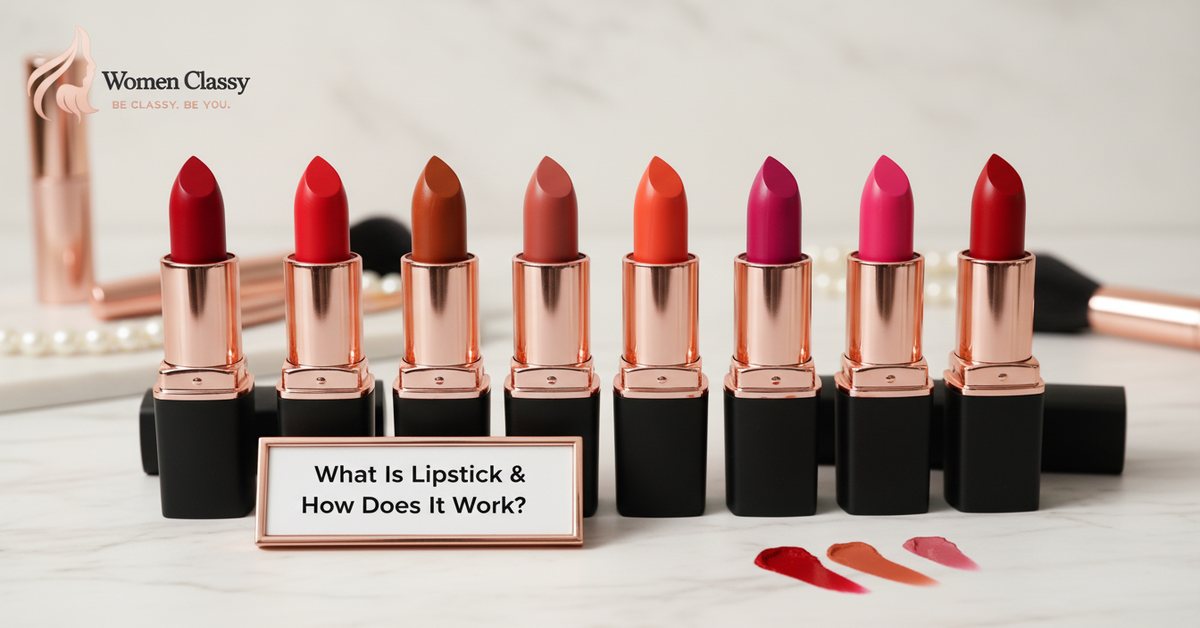
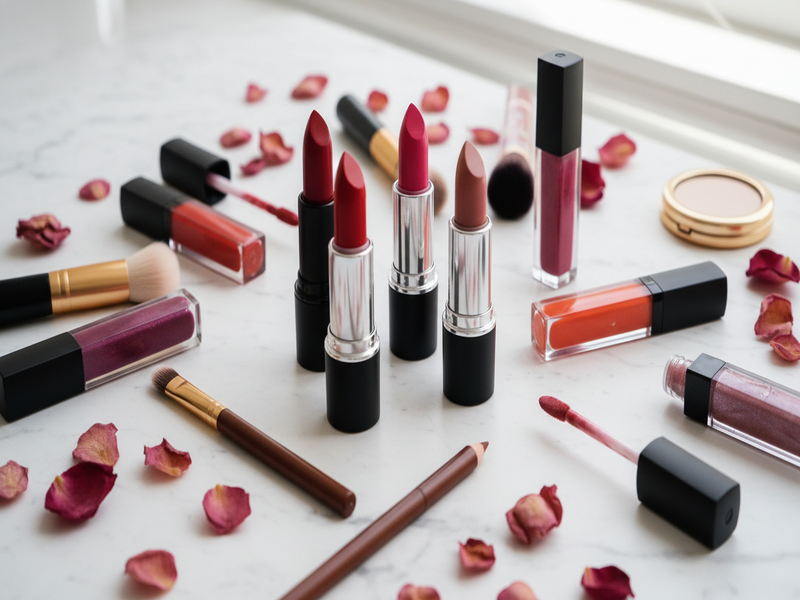
Lipstick is a cosmetic product used to add color, definition, and texture to the lips. It comes in various forms, including sticks, liquids, creams, and crayons. While trends change, lipstick remains one of the most widely used makeup items across the world.
Historically, lipstick symbolized beauty and status. Today, it reflects personal choice and mood. Some prefer subtle shades for daily wear, while others choose bold colors for special occasions.
For a deeper definition, you can explore this resource from Britannica.
Modern lipsticks are designed to combine beauty with comfort and care.
What Is Lipstick Made Of?
To understand how lipstick works, it is important to know its core components. Most lipsticks contain waxes, oils, pigments, and emollients, each serving a specific purpose.
Waxes help lipstick hold its shape and stay in place. Oils allow smooth application, while pigments provide color payoff. Emollients help keep lips soft and prevent dryness.
You can learn more about cosmetic ingredients from Healthline
Some formulas also include vitamin E, SPF, or hydrating agents to support lip health.
How Does Lipstick Work on Lips?
Lipstick works on lips by forming a thin layer over the delicate lip skin. Since lips lack oil glands, they need extra moisture, which lipstick formulas are designed to provide.
Once applied, lipstick fills fine lines, enhances lip shape, and evens out tone. Pigments attach to the surface while oils and waxes lock everything in place.
This balance of color and care is what makes lipstick effective.
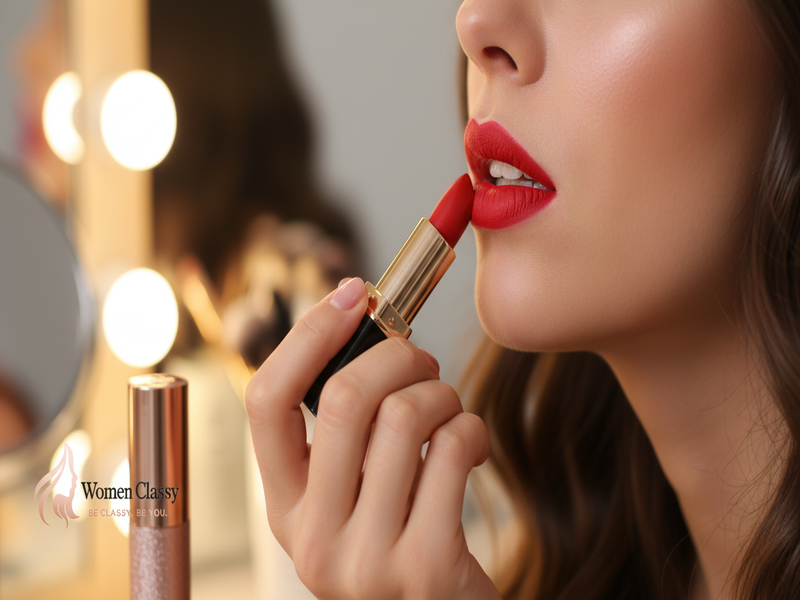
Step by Step How Lipstick Interacts With Your Lips
When lipstick touches the lips, body heat softens the formula. This allows it to glide smoothly and spread evenly without dragging.
Next, pigments settle into the top layer of the lips, delivering color. High-quality formulas ensure even coverage without patchiness.
Finally, waxes create a protective seal, helping the lipstick stay longer and resist smudging during daily activities.
Why Lipstick Feels Different on Everyone
Lipstick performance varies because lip texture, hydration, and natural color differ from person to person. Dry lips absorb oils faster, which can cause fading or cracking.
Well-hydrated lips help lipstick last longer and appear smoother. Natural lip tone also affects how a shade looks once applied.
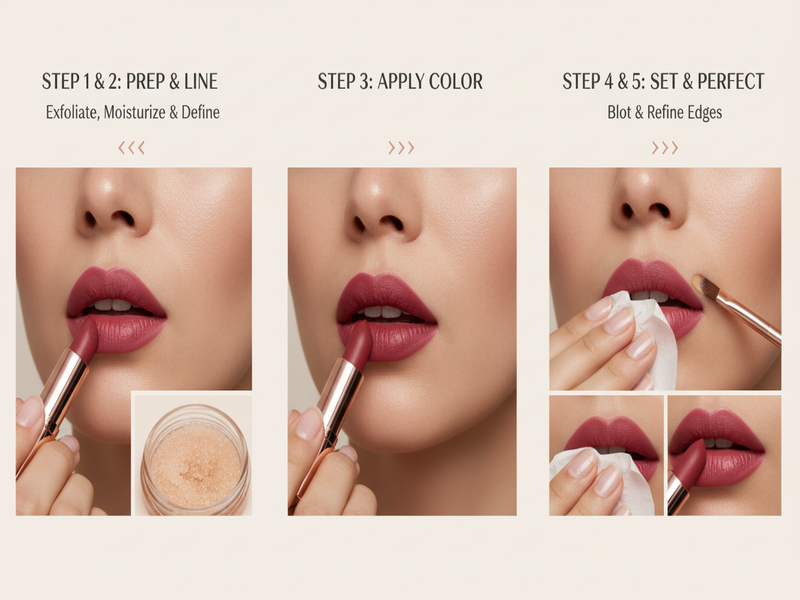
How to Apply Lipstick Properly Step by Step
Start by gently exfoliating lips to remove dry skin. This creates a smooth surface and prevents uneven application.
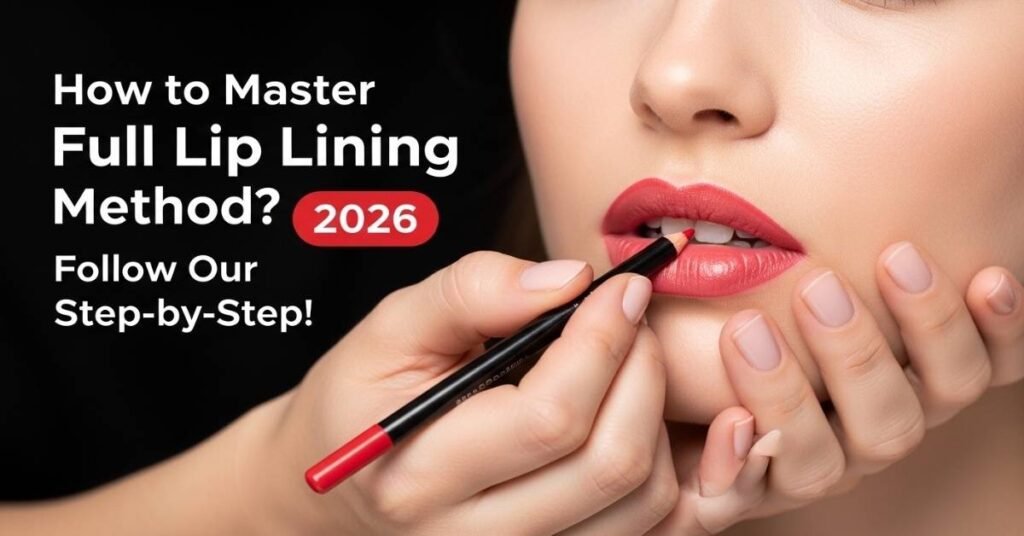
Apply a light lip balm and allow it to absorb fully. Outline lips using a lip liner or the lipstick tip for definition.
Fill in the lips from the center outward using light strokes. Press lips together and clean edges for a polished finish.
Why Lipstick Boosts Confidence
Lipstick has a strong emotional effect. A bright shade can feel empowering, while a nude tone offers elegance and calm.
Because lips play a key role in expressions, lipstick naturally draws attention to smiles and speech.
Psychology Today explains how makeup impacts confidence
This emotional connection keeps lipstick timeless.
Different Types of Lipstick and How They Work
Matte lipsticks focus on bold color and long wear. Cream lipsticks offer comfort and hydration. Liquid lipsticks deliver intense pigment with strong staying power.
Each type interacts differently with the lips based on its formula. Choosing the right one depends on comfort, lifestyle, and lip condition.
Final Thoughts on What Lipstick Really Does
Lipstick combines beauty, science, and self-expression. It enhances lip texture, adds color, and protects delicate skin.
When you understand how lipstick works on lips, you can make smarter choices and enjoy better results. The right lipstick is not just about shade, but how it makes you feel.
Frequently Asked Questions About Lipstick
1. What is lipstick mainly used for?
Lipstick is used to enhance lip color, define shape, and improve overall facial appearance while sometimes providing moisture.
2. Is lipstick safe for daily use?
Yes, most lipsticks are safe when used as directed, especially those approved by cosmetic safety standards.
3. How long does lipstick last on lips?
Wear time depends on the formula, lip condition, and eating or drinking habits. Matte and liquid lipsticks usually last longer.
4. Can lipstick dry out lips?
Some formulas can cause dryness if they lack moisturizing ingredients. Using lip balm helps prevent this.
5. How can I make lipstick last longer?
Exfoliate lips, apply primer or liner, and choose long-wear formulas for better staying power.