

I’ll never forget my first “fancy” coffee date back in college. I had chosen a stunning, creamy scarlet lipstick to match my outfit. I felt like a Hollywood star—until I caught a glimpse of myself in the café’s bathroom mirror an hour later. The red pigment hadn’t just stayed on my lips; it had traveled into the tiny fine lines around my mouth and was slowly migrating toward my chin. I looked less like a movie star and more like I’d just finished a messy spaghetti dinner.
That was my introduction to “feathering.” If you’ve ever wondered why do lipstick pigments bleed, you aren’t alone. In 2026, even with advanced formulas, many USA women still struggle with causes of lipstick migration. At , we believe that understanding the “why” is the first step to achieving a flawless, professional pout.
Before we dive into the science of the smudge, it’s important to understand how the formula itself plays a role. You can explore the basics in our guide on to see how waxes and oils interact.
This beginner-friendly guide is part of our Lipstick Basics series, where we break down everything from what lipstick actually is to how it works, so you can build your knowledge step by step with confidence.
While mastering the perfect application is key, understanding the science behind your beauty products is what truly makes a difference. At WomenClassy, we deep-dive into everything from lipstick ingredients to expert-led shade guides to help you make informed choices. Explore our full library of lipstick basics and pro tips to elevate your daily makeup routine.”
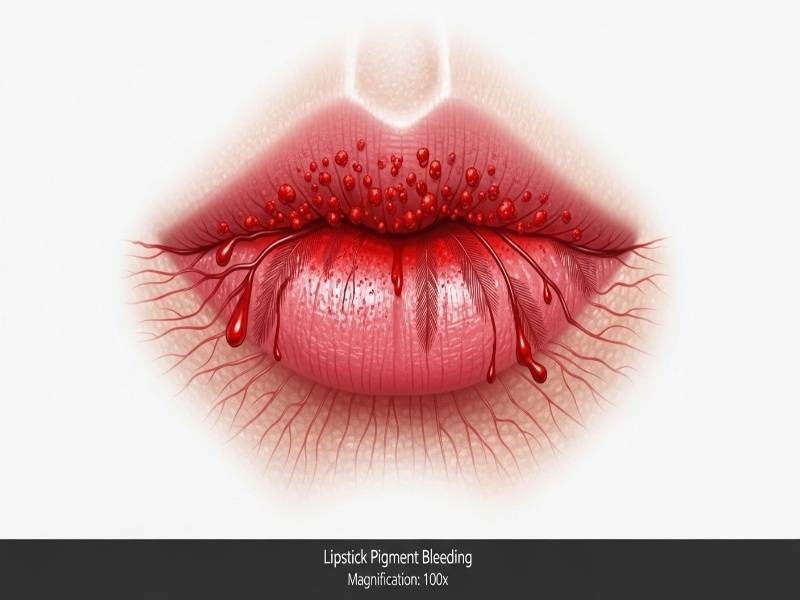
What Exactly is Pigment Bleeding?
In the beauty world, we often use terms like “bleeding,” “feathering,” or “migration” interchangeably. But what is pigment bleeding? Simply put, it is when the oils and waxes in your lipstick lose their grip on the pigment particles, allowing the color to travel outside your natural lip border and into the surrounding skin.
The Science Behind the Smudge
Lipsticks are a delicate balance of structure (wax) and slip (oil). When that balance is off, or when external factors like heat and humidity intervene, the lipstick begins to “melt.” This is a primary reason why lipsticks crack, drag, or melt in certain climates. When the product melts, the pigment travels through the easiest path—which is usually the fine vertical lines (often called “smoker’s lines”) around the mouth.
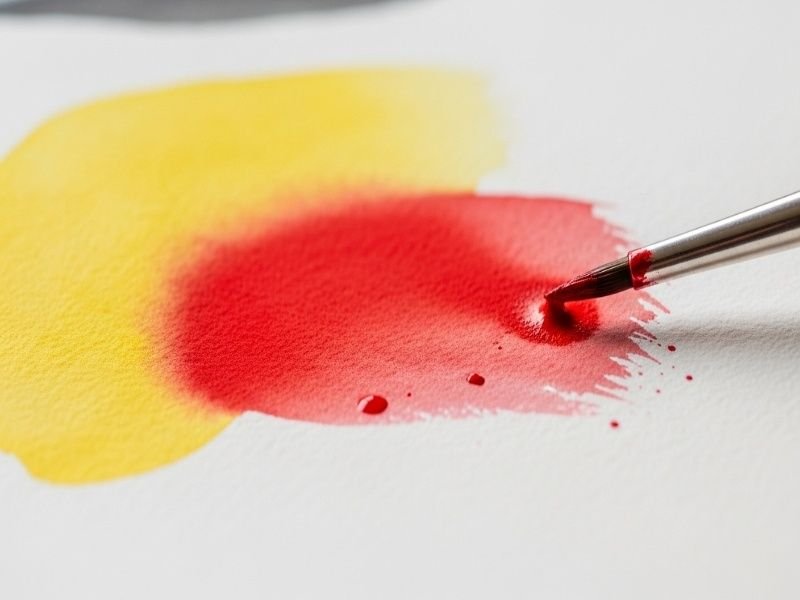
Causes of Lipstick Migration: Why It Happens to You
Understanding the causes of lipstick migration helps you choose the right products for your specific lip type.
- High Oil Content: Creamy, hydrating lipsticks are beautiful but “slippery.” The more oil a lipstick has, the more likely it is to move.
- Fine Lines and Texture: As we age, the skin around our lips develops micro-channels. Pigment follows these channels like water through a straw.
- Lack of a Barrier: If you apply lipstick directly to bare skin without a “dam” (like a liner), there is nothing to stop the flow.
- Incompatible Products: Using a heavy lip balm right before a creamy lipstick is a recipe for disaster. This is why lipstick bleeds outside your lip line more often when the base is too greasy.
Anti-Feathering Lip Hacks for USA Women
In 2026, we have moved past heavy, cakey solutions. The modern USA woman wants smudge-proof lipstick tips 2026 that look natural and feel weightless. Here are the top 5 anti-feathering lip hacks for USA women:
1. The “Invisible” Barrier
Before applying color, use a clear (wax-based) lip liner slightly outside your natural lip line. This creates a physical “wall” that pigment cannot cross. If you prefer a more defined look, you should to give your bold colors a structured home.
2. Reverse Concealing
This is a professional secret. After applying your lipstick, take a flat brush and a tiny amount of dry-finish concealer to “clean up” the edges. To do this correctly, follow our guide on . This not only sharpens the look but adds another layer of protection against migration.
3. The Power of Blotting
Excess oil is the enemy of a sharp line. After your first application, blot with a tissue. This removes the surface oils while leaving the pigment “stained” onto the skin. To make it truly bulletproof, you must .
How to Prevent Lip Liner Feathering
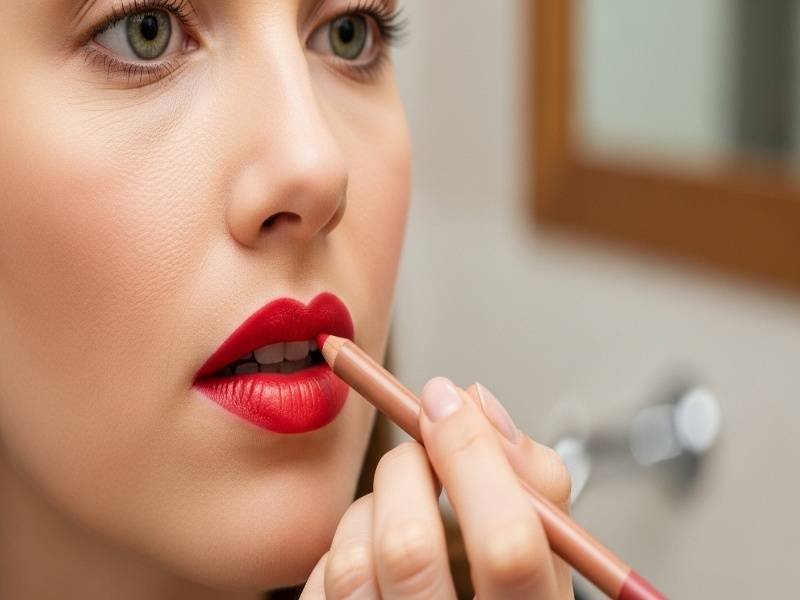
Even your liner can bleed if it’s too soft. To learn how to prevent lip liner feathering, look for “waterproof” or “long-wear” formulas.
- Pro Tip: Apply your liner and then lightly fill in the entire lip area with the pencil. This provides a “tacky” base that grips your lipstick pigments and prevents them from sliding.
- Precision Matters: If you struggle with shaky hands, you should . A brush allows for much more control than a blunt lipstick bullet.
Smudge-Proof Lipstick Tips 2026: Modern Solutions
The technology of 2026 has introduced “Film-Forming” pigments. These are pigments that, once applied, create a flexible, microscopic film over the lips that locks the color in place.
However, if you are using traditional lipsticks, choosing the right finish is vital. In the debate of , matte will almost always win for bleed-resistance because it contains more wax and less oil.
Final Thoughts: The Secret to a Sharp Pout
Pigment bleeding doesn’t have to be the end of your bold lip dreams. By understanding why do lipstick pigments bleed and implementing a few anti-feathering lip hacks for USA women, you can wear any color with confidence—even that messy red I tried years ago!
At , we want you to feel empowered. Remember: Prep, Line, and Blot are the three pillars of a smudge-free life. Stay sharp, stay bold, and always stay classy!
❓ Frequently Asked Questions (PAA)
How to keep lip color from bleeding? The most effective way is to use a lip liner that matches your lipstick and fill in the entire lip before applying the color. Additionally, using a “lip primer” or a bit of translucent powder over a tissue can lock the pigments in place.
Is lip pigmentation good or bad? Natural lip pigmentation is simply the melanin in your skin and is perfectly normal. However, “bleeding” or “migration” of lipstick pigments is generally considered a makeup “fail” that can be fixed with better application techniques.
What is pigment bleeding? It is the process where lipstick color travels beyond the lip’s natural border into the fine lines of the surrounding skin, often caused by the breakdown of waxes and oils in the formula.
What causes colors to bleed? Heat, humidity, over-application of product, and the natural presence of fine lines around the mouth are the most common causes of lipstick migration.
Does pigment ink bleed? In the context of permanent makeup (lip blushing), pigment can “migrate” if the technician goes too deep or uses the wrong needle angle. In traditional makeup, pigment “inks” (like liquid lipsticks) are actually the least likely to bleed because they dry down to a film.
How to prevent bleeding when coloring? When applying bold colors, always start with a dry, exfoliated lip. Avoid using heavy oils or balms immediately before application. For more tips on maintaining a clean edge, see our guide on .


