Lipstick has always been a symbol of beauty, confidence, and self expression. Still, many people hesitate to wear it regularly because of long standing lipstick myths. These ideas often spread through word of mouth, outdated advice, or social media trends that are not backed by real facts.
Once you understand the truth behind these lipstick myths, you can enjoy your favorite shades without fear and make smarter beauty choices that truly support lip health.

What Are Lipstick Myths and Why Do They Exist
Lipstick myths are misleading beliefs about lipstick that have been repeated for years without scientific proof. Most of these ideas started when early lipstick formulas were heavy, drying, and uncomfortable.
Modern lipstick formulas are very different. Today, brands focus on hydration, comfort, and safety. However, myths continue because people often trust personal experiences more than verified information.
Knowing the facts helps separate reality from assumption.
Myth 1: Lipstick Makes Lips Dark Over Time
One of the most common lipstick myths is that wearing lipstick daily causes lips to darken. This worry is especially common among people who love bold or nude shades like myth lipstick.
In reality, lipstick does not change natural lip color. Lip pigmentation is usually caused by sun exposure, dehydration, smoking, or hormonal changes. Poor lip care is often mistaken as a lipstick problem.
A simple lip care routine matters more than avoiding lipstick.
Myth 2: Matte Lipstick Always Dries Your Lips
The belief that matte lipstick is harmful is another popular lipstick myth. This idea comes from older matte formulas that lacked moisturizing ingredients.
Modern matte lipsticks now include vitamin E, natural oils, and soft pigments. When applied on well prepared lips, matte lipstick can feel comfortable and smooth all day.
The finish is not the issue. Preparation is.
Step by Step: How to Wear Matte Lipstick Without Dryness
First, gently exfoliate your lips to remove dead skin.
Second, apply a light layer of lip balm and allow it to absorb.
Third, blot excess balm so lips are not slippery.
Finally, apply matte lipstick evenly for a clean finish.
This simple routine reduces dryness and improves wear time.
Myth 3: Lipstick Contains Harmful Chemicals
Many people fear that lipstick is unsafe because of chemicals. This lipstick myth spreads easily online but lacks context.
Reputable cosmetic brands follow strict safety standards. Approved lipstick ingredients are tested for cosmetic use and skin safety. Problems usually occur with counterfeit or low quality products.
Choosing trusted brands is key.
Lipstick Myths About Nude Shades: Why Myth Lipstick Is Misunderstood
A common belief is that nude shades wash out the face. This is one of the lesser known but common lipstick myths related to myth lipstick.
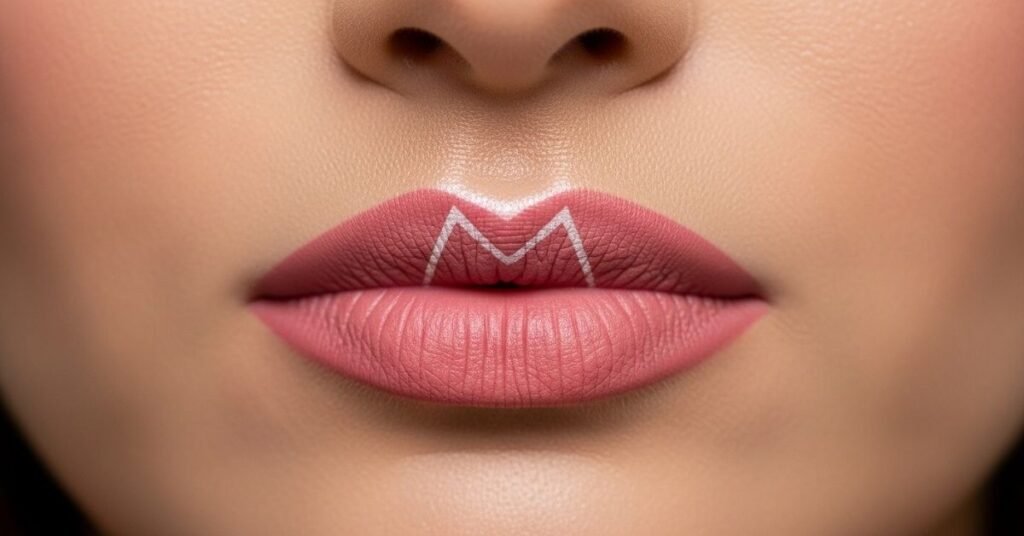
In reality, myth lipstick works beautifully when matched with the right skin undertone. It is a soft neutral shade that suits minimal makeup looks and professional settings.
The problem is not the shade, but choosing it without considering undertones.

MAC Myth Lipstick Dupe: Affordable Options That Work Well
Many people searching for MAC myth lipstick dupe options believe dupes never match the original. This is another misconception.
Several drugstore brands now offer nude lipsticks with similar tone, texture, and finish. While the formula may differ slightly, the overall look can be very close.
Dupes are a smart choice for everyday wear.
Myth 4: Lipstick Is Only for Special Occasions
Some people believe lipstick should only be worn at weddings or parties. This outdated lipstick myth limits daily self expression.
Lipstick is made for everyday use too. Soft nude shades, tinted lipsticks, and lightweight formulas work perfectly for work and casual outings.
Confidence should not wait for special events.
Myth 5: Lipstick Makes You Look Older
Another common lipstick myth suggests that lipstick ages your appearance. The truth is that the right shade can actually brighten the face.
Lipstick chosen according to skin undertone and lip shape enhances balance and freshness. Aging is often blamed on the wrong shade, not lipstick itself.
Good shade selection makes all the difference.
Myth 6: Lipstick Causes Lip Lines
Fine lines on lips appear naturally with age and dehydration. Blaming lipstick is another unnecessary lipstick myth.
Creamy and satin formulas soften the look of lip lines. Even matte lipstick performs well on hydrated lips.
Healthy lips improve any lipstick finish.
Why Understanding Lipstick Myths Matters
Believing in lipstick myths can prevent people from enjoying makeup confidently. Fear based decisions often lead to confusion and missed opportunities to experiment.
When you understand how lipstick truly works, beauty becomes enjoyable again. Knowledge replaces hesitation.
Final Thoughts on Lipstick Myths
Lipstick is safe, stylish, and empowering when used correctly. Most lipstick myths come from outdated information and misunderstanding. With modern formulas and basic lip care, lipstick fits easily into everyday life.
When myths fade, confidence naturally shines.
FAQs About Lipstick Myths
Q1. Do lipstick myths have any truth to them?
Most lipstick myths are based on old formulas or personal experiences, not scientific facts.
Q2. Can wearing lipstick daily damage lips?
No, daily lipstick use is safe when lips are moisturized and products are from trusted brands.
Q3. Is myth lipstick suitable for all skin tones?
Myth lipstick suits many skin tones when paired with the correct undertone and makeup balance.
Q4. Are MAC myth lipstick dupes worth buying?
Yes, many MAC myth lipstick dupe options offer similar shades at a lower price for everyday use.
Q5. How can I avoid problems caused by lipstick myths?
Follow a basic lip care routine, choose quality products, and rely on facts instead of rumors.