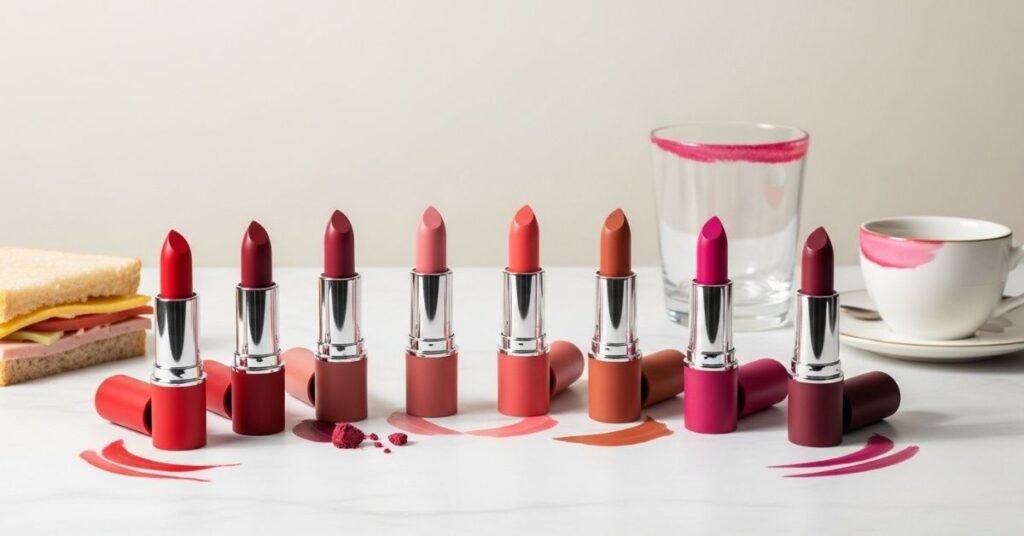

I still remember sitting at my grandmother’s vanity when I was seven years old, mesmerized by a heavy gold tube of crimson cream. To me, it wasn’t just makeup; it was a magic wand. I watched her transform from a tired morning person into a confident woman with just one single swipe across her lips. Years later, after countless tubes of my own, I realized that many of us use this “magic wand” every day without actually knowing what’s inside it or why it behaves the way it does. Understanding the “why” changed my entire beauty routine, turning a messy morning habit into a precise art form.
In 2026, the question “What is lipstick?” goes far beyond just “colored wax.” For the modern USA woman, it is a high-tech blend of pigments, oils, and polymers designed to protect, enhance, and even treat the delicate skin of the mouth. If you’ve ever wondered why some tubes feel like silk while others feel like clay, you’re essentially asking about How Lipstick Is Made. Whether you are a beginner or a pro, mastering the fundamentals is the first step to avoiding common mistakes. Before you even pick a shade, it’s vital to understand the Lipstick Ingredients Explained to know exactly what you are putting on your body every single day.
At WomenClassy, we believe you should never have to choose between style and comfort.
This beginner-friendly guide is part of our Lipstick Basics series, where we break down everything from what lipstick actually is to how it works, so you can build your knowledge step by step with confidence.
The Anatomy of a 2026 Lip Product
When we look at the modern definition of lipstick, it is essentially a suspension of color in a structured base. But in 2026, the structure has changed. We are no longer limited to heavy sticks; we now have everything from liquids to crayons. This evolution is why many women find themselves confused—it’s easy to feel like Most Women Use the Wrong Lipstick Type for their specific lip needs.
To master the basics, you have to look at the “big three” components:
- The Pigment: This provides the “wow” factor and color.
- The Base: Usually a mix of waxes that give the product its shape. You can learn more about the Role of Wax in Lipstick to see how it protects your skin.
- The Oils: These provide the “glide” and hydration.
If you’ve ever had a product fail you—by smearing, cracking, or disappearing—it’s usually because the balance of these three was off. Understanding How Lipstick Works on Lips on a molecular level is the ultimate “cheat code” to making any product look like a professional application.
This beginner-friendly guide is part of our Lipstick Basics series, where we break down everything from what lipstick actually is to how it works, so you can build your knowledge step by step with confidence.
What Is Lipstick? (Simple Definition)
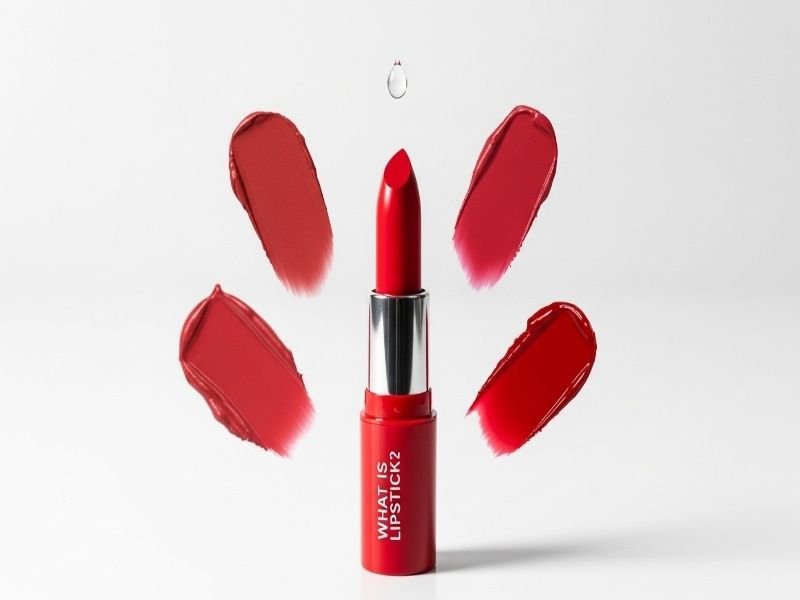
Lipstick is a cosmetic product applied to the lips to add color, enhance shape, and balance the face. At its core, lipstick is about color expression—but there’s a lot more to it than that.
If you want a deeper understanding of how lipstick came to be and evolved over time, check out the history of lipstick—a fascinating look at how this simple product has shaped beauty for centuries.
The Basic Purpose of Lipstick
Lipstick isn’t just color for lips. Its main functions are:
- To accentuate the lips
- To add personality or mood to a look
- To balance facial features
- To boost confidence
Most beginners don’t realize how expressive lipstick can be until they try it.
How Do You Describe a Lipstick?
Lipstick is typically described based on:
- Color (nude, red, pink, berry, brown)
- Finish (matte, cream, satin, glossy)
- Formula / Texture (hydrating, long-wear, opaque)
Each of these traits affects how the lipstick looks and feels on the lips.
For a detailed breakdown of different appearances, explore lipstick finishes explained.
A Quick Look at What Lipstick Is Made Of
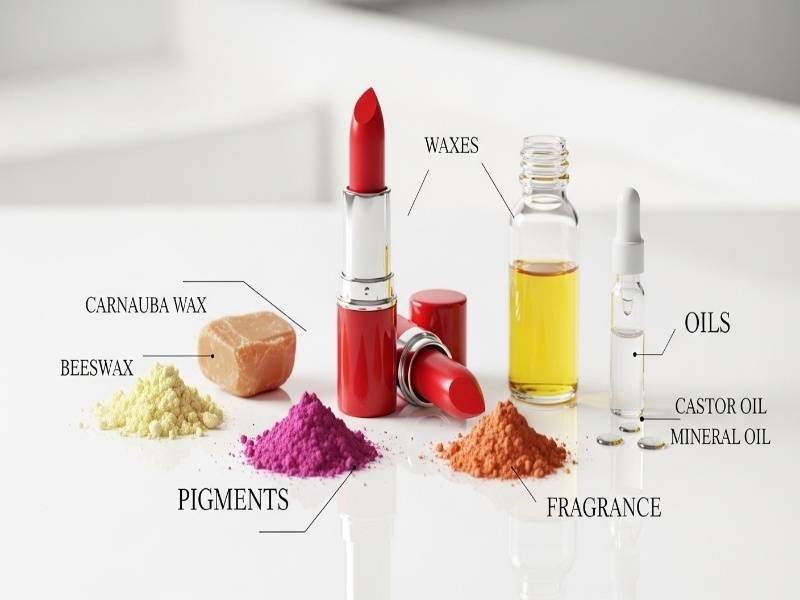
Understanding lipstick begins with understanding its ingredients. Lipsticks are a blend of:
- Waxes – give structure and shape
- Oils – for glide and smooth texture
- Pigments – provide color
- Additives – for hydration, shine, or wear time
You can learn how each part contributes to performance in our breakdown of lipstick ingredients explained.
What Are the Key Components of Lipstick?
Waxes
Waxes give lipstick its firm shape and affect how it glides and holds its structure. If you want to understand how consistency changes with different waxes, read what wax does in lipstick.
Oils
Oils like castor oil make lipstick comfortable and shiny. That’s why explore castor oil in lipstick is helpful for understanding why some formulas feel so soft.
Pigments
Pigments are what give lipstick its visible color and influence how bold or subtle a shade looks.
Why Does Lipstick Look Different on Everyone?
Have you ever tried a lipstick that looks bright and bold on a friend but odd on you? That’s because lipstick color isn’t just the shade in the tube—it’s a mix of lipstick pigment and your natural lip tone.
This interaction is one of the main reasons why lipstick changes color on pigmented lips—if your lips have deeper or uneven pigmentation, lipstick blends with that base and shifts in tone.
You can learn more about this in why lipstick changes color on pigmented lips.
Types of Lipstick: Beyond Matte and Cream
Lipstick isn’t just “matte” and “cream.” There are many types with unique behavior:
- Matte
- Cream
- Satin
- Gloss
- Liquid lipstick
- Tinted lip balm
Each type offers different color payoff, comfort, and finish. For a complete breakdown, see types of lipstick explained.
Lipstick Undertones Explained
Lipstick colors aren’t just about shade names. Undertone determines whether a lipstick looks warm, cool, or neutral on your lips.
A deeper lesson on this is available in lipstick undertones explained and it’s one of the most helpful topics once you understand What Is Lipstick at a basic level.
Features of Lipstick You Should Know
When choosing or describing lipstick, beginners should notice:
- Pigmentation: How strong or sheer the color appears
- Texture: Smooth or thick
- Wear time: How long it lasts before fading
- Comfort: How it feels on the lips
These features affect your experience more than just the color name.
How to Use Lipstick for Beginners
If you’re new to lipstick, start with these steps:
- Clean and moisturize your lips
- Apply a light layer of lip balm and blot
- Swipe lipstick from the center outward
- Press lips together gently
- Blot or layer for extra impact
Simple techniques like this make applying lipstick far less intimidating.
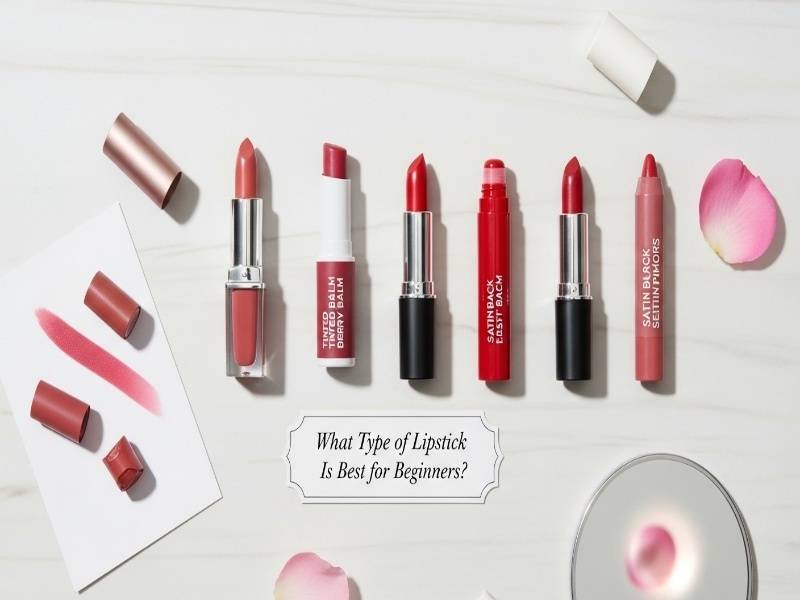
What Type of Lipstick Is Best for Beginners?
For beginners, certain types are easier to start with:
- Cream or satin finishes – most forgiving
- Neutral shades – work with many looks
- Non-matte formulas – comfortable and less drying
Avoid ultra-matte or very bold shades until you’ve practiced a bit.
How to Neutralize Lip Color (For Truer Shade Payoff)
Many beginners ask how to neutralize lip color. This is the idea of balancing your natural lip tone so lipstick shows more accurately.
One helpful method is explained in foundation on lips before lipstick—but it’s not always necessary unless pigmentation is very dark.
What Is the Main Function of Foundation vs Concealer on Lips?
Sometimes makeup artists use foundation or concealer on lips to neutralize intense pigmentation. The difference between the two base types and when to use each is covered in foundation vs concealer on lips. This topic is especially useful if standard lipstick application isn’t giving you the payoff you expect.
The Science Behind Color Changing Lipstick
Lipstick doesn’t actually “change color.” Instead, it mixes with your lips’ natural tone to produce the final shade you see. That is the science behind why one lipstick looks different on different people.
This interaction is a key part of What Is Lipstick, because it tells you that lipstick is not just product—it’s a reaction with your lips.
How to Keep Lip Color On All Day
No matter the lipstick, long lasting wear usually follows a pattern:
- Prep lips
- Neutralize if needed
- Apply carefully
- Blot and layer
Primer products or light bases help, but lipstick behavior will always depend on skin and moisture.
What Are the Features of Long-Lasting Lipstick?
Long-lasting lipsticks often use:
- Film-forming polymers
- Drier formulas with strong pigments
- More structured wax blends
Understanding ingredients and how they behave helps you choose wisely.
What Are Some Interesting Facts About Lipstick?
Lipstick isn’t just a beauty product—it’s part of culture and history:
- Ancient civilizations used crushed minerals for lip color
- In some eras, lipstick was a sign of power or rebellion
- Modern formulas blend science and fashion
This is explored in history of lipstick and shows how lipstick has evolved.
What Not to Put on Lips Before Lipstick
Contrary to some beauty myths, too much oil or heavy product right before lipstick can cause:
- Sliding
- Feathering
- Uneven color
That’s one reason many tutorials suggest waiting after hydrating or balancing lip color before applying lipstick.
Lipstick Myths vs Facts
There are many misconceptions about lipstick—like “lipstick ruins your lips” or “matte is always best.” Learning the difference between myth and fact helps you trust your own experience. For a full breakdown, check lipstick myths vs facts.
Is Lipstick Safe?
Most lipstick is safe if used as directed, but be mindful of:
- Allergies
- Expired makeup
- Irritation
Take a look at lipstick safety to learn how to make safe choices.
Final Thoughts: What Is Lipstick?
At its heart, lipstick is a simple cosmetic tool with powerful effects. It brings out expression, balances features, and gives you control over your look. For beginners, understanding What Is Lipstick is about more than just color—it’s about how it interacts with your lips, your tone, and your style.
Start simple. Learn the basics. Then experiment with confidence.
❓ FAQs – What Is Lipstick?
1. What is the simple definition of lipstick?
A cosmetic product that adds color and definition to lips.
2. How do I prepare for lipstick application?
Start with clean, hydrated lips, then apply lipstick in light layers.
3. Why does lipstick look different on everyone?
Because natural lip pigmentation and undertone mix with the lipstick pigment.
4. What are the main components of lipstick?
Waxes, oils, pigments, and conditioning agents.
5. Is lipstick safe to use daily?
Yes, with good hygiene and non-expired products.