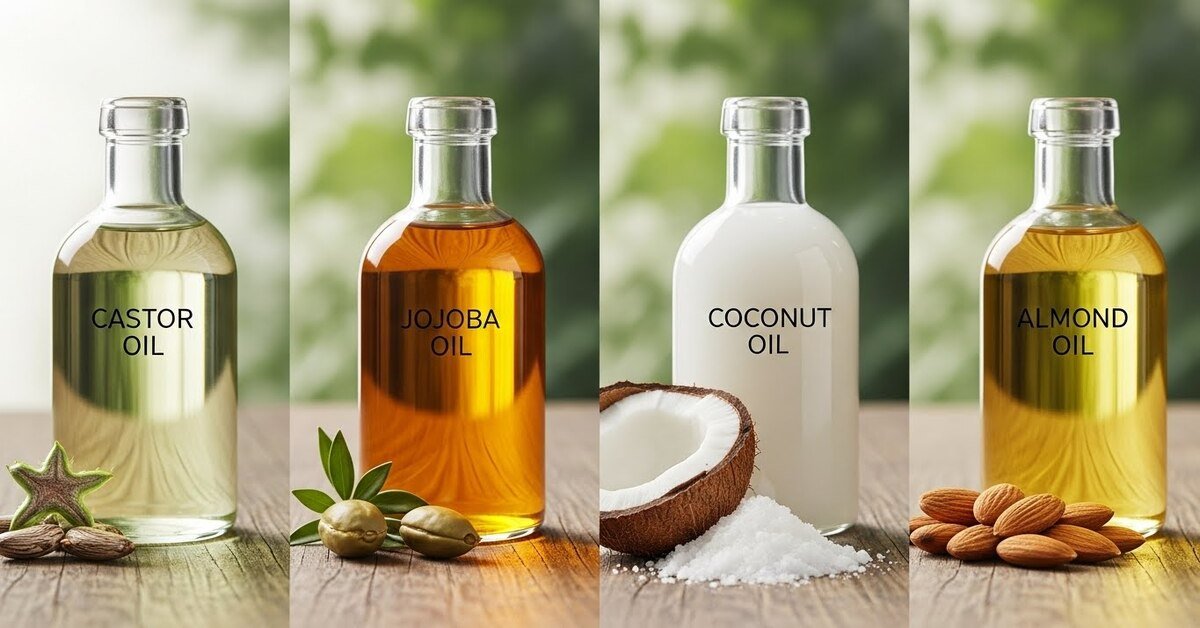
If you’ve ever wondered why one lipstick feels luxuriously smooth while another feels greasy, slippery, or oddly dry, the answer often lies in the oils used inside the formula. Not all oils behave the same, especially on lips. That’s why understanding Castor Oil vs Other Oils in Lipstick can completely change how you evaluate lip products.
At first glance, coconut oil, almond oil, and jojoba oil all sound nourishing—and they are, in the right context. But lipstick isn’t skincare. It’s a carefully engineered balance of oils, waxes, and pigments. And in that balance, castor oil plays a very specific, often misunderstood role.
Why Oils Matter So Much in Lipstick Formulas
Lipstick oils aren’t added just for moisture. They control:
- How smoothly the bullet glides
- How pigments disperse
- Whether the finish feels creamy, matte, or slippery
- How long the color lasts on the lips
This is why Castor Oil vs Other Oils in Lipstick is not about which oil is “healthier,” but which oil performs best inside a lipstick formula.
To understand this fully, it helps to know how oils interact with wax structures, which we explain clearly in wax in lipstick.
Castor Oil: The Backbone of Lipstick Performance
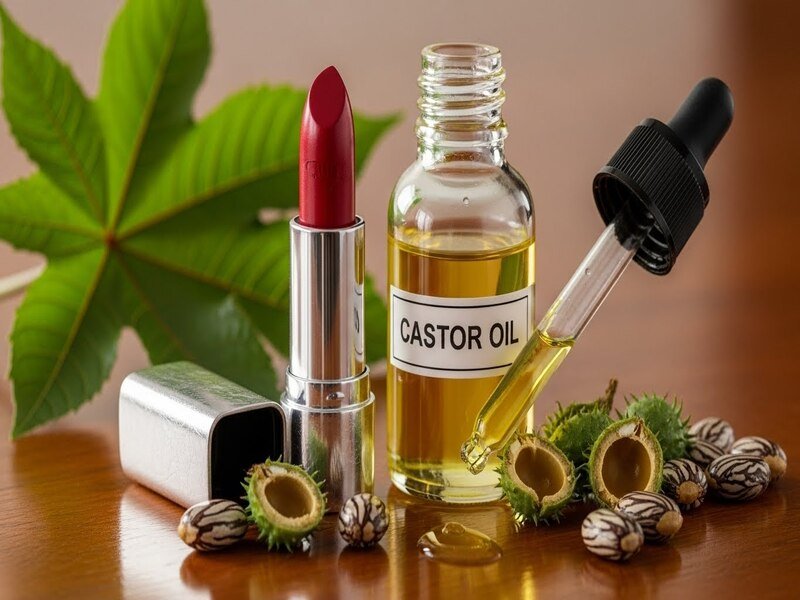
Castor oil is one of the most commonly used oils in lipstick—and for good reason. In the debate of Castor Oil vs Other Oils in Lipstick, castor oil stands out because of its unique chemistry.
What Castor Oil Does Best
- Excellent pigment binding
- Smooth, even color payoff
- Controlled shine without greasiness
- Improved glide without slip
That’s why Castor Oil in Lipstick appears so frequently in both matte and cream formulas. It helps pigments stay evenly suspended instead of separating or clumping.
From a safety perspective, dermatologists also view castor oil as lip-safe when properly formulated, which is discussed in Is Castor Oil Safe for Lips? What Dermatologists Say.
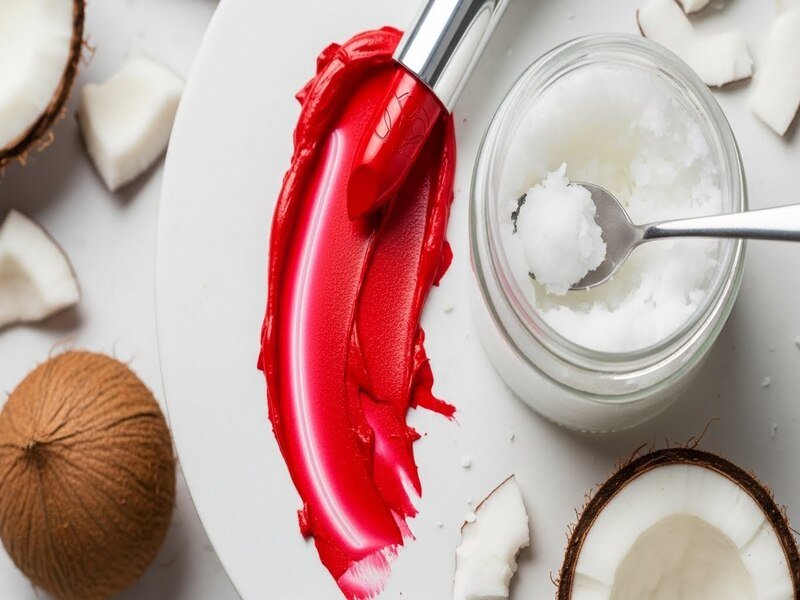
Coconut Oil in Lipstick: Nourishing but Tricky
Coconut oil has a strong reputation in skincare, but in Castor Oil vs Other Oils in Lipstick, it behaves very differently.
Strengths of Coconut Oil
- Rich and nourishing
- Pleasant sensory feel
- Softens dry lips quickly
Limitations in Lipstick
- Melts easily at body temperature
- Can feel greasy
- Weak pigment control
Because coconut oil liquefies so quickly, it’s rarely used as a primary oil in lipsticks. Too much coconut oil can cause:
- Color bleeding
- Reduced wear time
- Bullet instability in warm climates
That’s why formulators prefer castor oil when structure and color control matter.
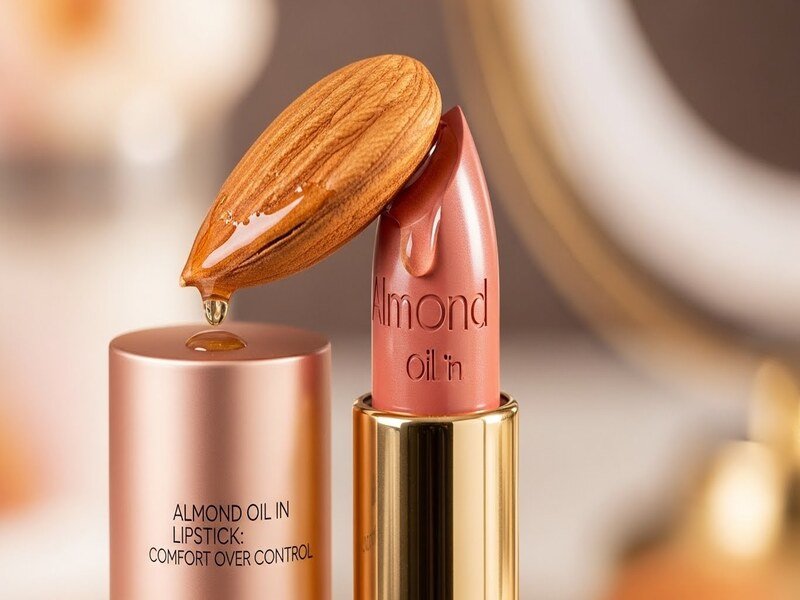
Almond Oil in Lipstick: Comfort Over Control
Almond oil sits somewhere in the middle in the Castor Oil vs Other Oils in Lipstick comparison.
Benefits of Almond Oil
- Lightweight and emollient
- Improves comfort for dry lips
- Gentle for sensitive users
Where It Falls Short
- Limited pigment-binding ability
- Doesn’t support long wear
- Can make lipsticks feel slippery
Almond oil works better as a support oil rather than a lead oil. It’s often paired with castor oil to soften the feel without sacrificing performance.
Jojoba Oil: Barrier Support, Not Pigment Control
Jojoba oil is unique because it closely mimics natural skin lipids. In Castor Oil vs Other Oils in Lipstick, jojoba oil shines when it comes to lip comfort.
What Jojoba Oil Does Well
- Supports the lip barrier
- Reduces moisture loss
- Suitable for sensitive lips
This makes it especially useful for people with reactive or dry lips, as explained in Is Jojoba Oil Good for Dry or Sensitive Lips?.
However, jojoba oil doesn’t grip pigments the way castor oil does. That’s why it’s usually paired with castor oil rather than replacing it.
You can see this pairing logic clearly in jojoba oil in lipstick.
Side-by-Side Comparison: Castor vs Other Oils
| Oil Type | Pigment Control | Texture Control | Lip Comfort | Best Use |
|---|---|---|---|---|
| Castor Oil | Excellent | High | Medium–High | Core lipstick oil |
| Coconut Oil | Low | Low | High | Balms, glosses |
| Almond Oil | Medium | Low | High | Comfort support |
| Jojoba Oil | Low | Medium | Very High | Barrier support |
This table shows why Castor Oil vs Other Oils in Lipstick is less about replacing castor oil—and more about supporting it.
Why Most Lipsticks Use Oil Blends (Not Just One Oil)
Professional formulations almost never rely on a single oil. Instead, they combine:
- Castor oil for pigment control
- Jojoba or almond oil for comfort
- Waxes for structure
This balance is why lipsticks feel stable, smooth, and wearable. You can understand this system better in lipstick ingredients explained.
Matte vs Cream Lipsticks: Oil Choice Matters More Here
Oil selection becomes even more important when comparing finishes. In Castor Oil vs Other Oils in Lipstick, castor oil performs especially well in matte formulas because it provides slip without excess shine.
You can see how oil levels shift between finishes in castor oil in matte vs cream lipstick.
- Matte lipsticks → higher castor oil control, fewer soft oils
- Cream lipsticks → more almond or jojoba oil for comfort
Common Myths About Oils in Lipstick
One major myth is that “more nourishing oils equal better lipstick.” In reality, too many soft oils can ruin wear time and definition.
Another misconception is that natural oils automatically outperform functional oils. This is addressed clearly in lipstick myths vs facts and organic vs chemical lipsticks.
Performance depends on balance, not labels.
Which Oil Is Best Overall?
If the question is comfort alone, jojoba or almond oil may feel better.
If the question is performance, color payoff, and wear—Castor Oil vs Other Oils in Lipstick has a clear winner.
Castor oil remains the foundation oil of most high-performance lipsticks because it:
- Controls pigments
- Stabilizes texture
- Works across finishes
Other oils are valuable—but supportive.
Final Verdict: Castor Oil vs Other Oils in Lipstick
When comparing Castor Oil vs Other Oils in Lipstick, the takeaway is simple:
Castor oil builds the structure, while other oils fine-tune the feel.
The best lipsticks don’t choose one oil—they choose the right combination, with castor oil at the center.
FAQs
Is castor oil better than coconut oil in lipstick?
Yes, for pigment control and wear. Coconut oil is better for balms.
Why do lipsticks feel greasy sometimes?
Too many soft oils like coconut or almond can cause slip.
Is jojoba oil enough on its own for lipstick?
No, it lacks pigment-binding ability.
Do luxury brands use castor oil?
Yes—often refined versions combined with other oils.
Which oil lasts longest on lips?
Castor oil, when balanced with waxes.